
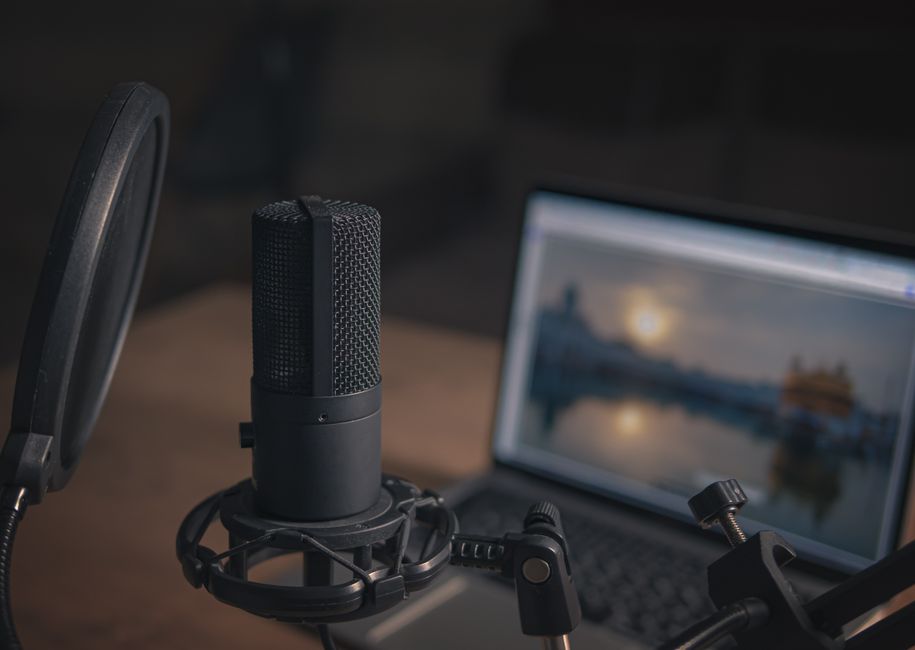
Quick answer: Embarking on voiceover work from your dorm room is entirely feasible with the right preparation and strategy. By investing in essential equipment, meticulously building a compelling portfolio, and leveraging targeted starter platforms, students can effectively launch a successful voice acting career directly from their campus living space.
Key Takeaways
- Starting voiceover work in a dorm room is a practical and accessible option for students.
- Essential equipment includes a quality microphone, audio interface, headphones, and acoustic treatment.
- A strong voiceover portfolio requires diverse, high-quality demo reels showcasing various vocal styles.
- Platforms like pay-to-play sites and casting marketplaces offer valuable opportunities for new talent.
- Effective time management and understanding business basics are crucial for student voice actors.
Can You Really Start Voiceover Work from a Dorm Room?
Yes, absolutely! Starting voiceover work from a dorm room isn’t just possible; it’s becoming pretty common in 2026. Think about it: lots of successful voice artists got their start in makeshift home studios. So, a dorm can actually be a surprisingly effective place to begin.
Dorms actually offer some unique perks for budding voice actors. Those smaller room sizes? They’re usually way easier to treat acoustically than a big apartment. Plus, most residential halls have quiet hours. Those are perfect recording windows, cutting down on outside noise.
It all comes down to smart gear, good acoustic dampening, and consistent practice. Do that, and your dorm room can totally become a pro-level recording booth. Then you’re ready to take on all sorts of voiceover projects.
What Essential Equipment Do You Need for Quality Voiceover Work?
To get that pro-level audio for voiceover work, you’ll need a few essential pieces of equipment. There’s just no way around it. And investing smart right from the start will save you a ton of time and boost your audition success. Don’t forget: clients want clean, clear audio, no matter where you’re recording.
Which microphone is best for beginners?
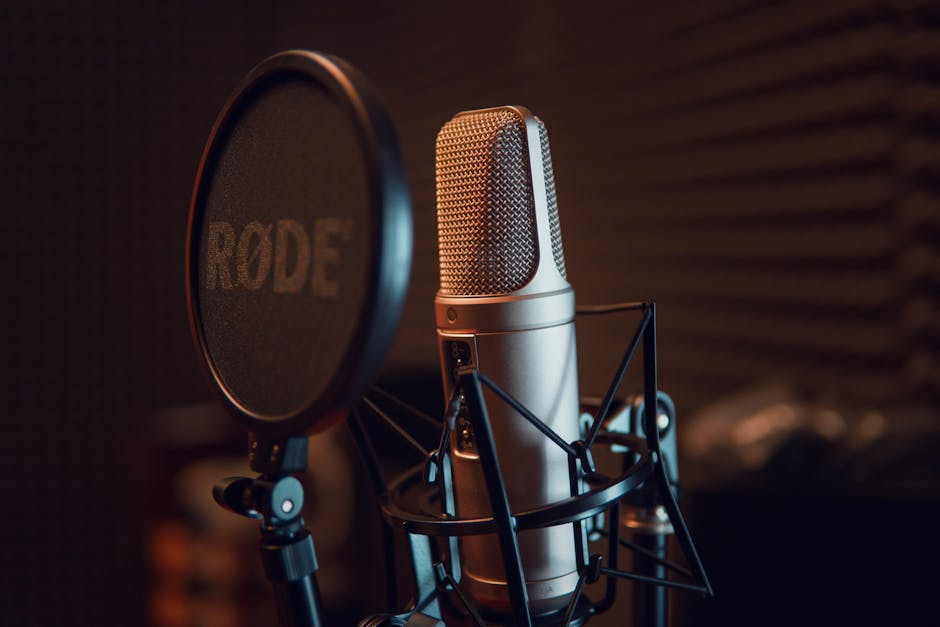
For voiceover newbies, a condenser mic is usually your best bet. Why? Because it’s super sensitive and reproduces sound really accurately. Good, reliable options like the Rode NT1-A or the Audio-Technica AT2020 give you excellent sound quality without breaking the bank. They’re built to pick up all the little details of the human voice, with clarity and a real sense of presence.
Do I need an audio interface?
Yup, you’ll absolutely need an audio interface. It’s how your condenser mic talks to your computer. See, it takes the analog signal from the mic, turns it digital so your computer gets it, and then does the reverse for playback. What’s more, it supplies phantom power—something many condenser mics need to even work—and gives you fine-tuned control over your sound levels. The Focusrite Scarlett 2i2 or Universal Audio Volt 1 are fantastic starting points.
What about headphones and a pop filter?
Studio monitoring headphones? Those are a must. They let you hear your recordings clearly, so you can catch any little audio glitches. We’re talking closed-back headphones here, like the Sony MDR-7506 or Audio-Technica ATH-M20x. They’re great because they stop sound from bleeding into your mic. And don’t forget a pop filter! It’s that mesh screen that sits between you and the mic. It zaps those harsh “p” and “b” sounds (plosives) that can totally mess up your audio.
How can I treat my dorm room acoustically?
Here’s the deal: acoustic treatment is probably the single most important thing for professional-sounding voiceover work in a dorm room. Your main mission? Kill that reverb and echo. You can do this pretty easily. Drape blankets, duvets, or moving blankets strategically on your walls, especially behind your mic setup and on any reflective surfaces opposite you. Seriously, building a “blanket fort” or recording inside a small, clothes-filled closet can massively boost your sound quality by soaking up those reflections. Just remember: dead sound is happy sound in voice acting.

Building a Standout Voiceover Portfolio: What Should It Include?
Your voiceover portfolio—what folks usually call a demo reel—is your absolute best marketing tool. It’s gotta show off your range and your very best performances if you want to reel in clients. So, a really well-made demo can open up tons of opportunities in this competitive voiceover work world.
How many demos do I need?
To start, just focus on one or two really high-quality demo reels. These should clearly show off your main strengths. A commercial demo and an e-learning or corporate narration demo are perfect jumping-off points for general voiceover work. As you get more experienced and figure out your specific niche, then you can build out other demos—think animation, video games, or audiobooks. But remember, keep each demo tight: usually 60 to 90 seconds, with about 4 to 6 different reads.
Where can I get script material?
Beginners, you’re in luck! There’s plenty of free script material out there. Check voiceover resource websites, or just use commercial copy from existing ads. Practicing real commercials or corporate narrations with your own voice really shows you can deliver professional results. But make sure you practice those scripts like crazy. You want to inject them with genuine character and emotion.
Should I include different voice styles?
Yes, absolutely! Showing off a range of voice styles is super important. Your demos should ideally feature your natural speaking voice. But also throw in any distinct character voices, accents, or vocal tones you can confidently pull off. For a commercial demo, that means upbeat, authoritative, warm, and friendly reads. And for narration, you’ll want clear, concise, and engaging delivery. All that variety tells clients you’re adaptable, and it just broadens your potential casting opportunities.

What Are the Best Starter Platforms for Finding Voiceover Work?
Okay, so your gear’s set up and your portfolio looks sharp. What’s next? Time to actually find some voiceover work. Good news: plenty of online platforms exist specifically for voice actors, from total newbies to seasoned pros.
How do pay-to-play sites work?
Pay-to-play (P2P) sites are essentially online marketplaces. Voice actors pay a subscription, and in return, they get to audition for jobs clients post. Sites like Voices.com and Backstage, for instance, offer a steady flow of opportunities. Sure, there’s an upfront fee, but P2P sites can give you great experience, exposure, and a direct route to getting paid projects. You’ve just got to consistently submit really high-quality auditions and be patient. The competition can be tough!
Are free casting sites effective?
Yep, free casting sites can be a fantastic place to start. Just know they might not have as many high-paying gigs as the P2P platforms. But sites like Voice123 (which also has premium options, by the way) often list all sorts of projects. We’re talking student films, indie games, small corporate videos—the works. Build up a strong profile and actively hunt for new listings. That can totally get you some valuable early credits and portfolio pieces. And hey, some social media groups focused on voice acting share free casting calls too.
Can social media help with voiceover work?
Social media platforms? They’re getting super powerful for voice actors looking to network and snag opportunities. LinkedIn, Instagram, even TikTok—you can use them to show off your talent, share bits of your work, and connect with potential clients or other pros in the industry. Lots of voice actors post short reels there, showing their range, chatting with the VO community, and directly marketing their services. Consistency in posting and genuinely engaging with people? That’s what really makes social media work for you.
Navigating the Business of Voiceover Work from Your Dorm
So, beyond all the fun creative stuff, you’ve gotta get a handle on the business side of voiceover work if you want to stick with it long-term. That means figuring out pricing, dealing with contracts, and really nailing time management as a student.
How should I price my services?
Pricing your services can feel a bit tricky when you’re just starting. Most new voice actors begin with project-based fees. These are usually based on industry standards for different project types – like, say, a “per finished minute” rate for narration, or a flat fee for short commercials. You should definitely check out current rates on well-known voiceover forums and resource sites to get a baseline. Then, as you get more experience and build up your reputation, you can slowly bump up your rates. Just make sure they truly reflect your skills and the value you bring.
What about contracts and payments?
Always, and I mean always, use a written agreement or contract. Even for tiny projects. It protects you and makes sure everyone’s clear with the client. This document should spell out the project’s scope, what you’ll deliver, deadlines, usage rights, and payment terms. For payments, try to get a percentage upfront (like 50%) on bigger projects. And always have a super clear payment schedule. PayPal, Stripe, or direct bank transfers are common, secure ways to get paid. Oh, and keep good track of your invoices and income for tax time, even as a student.
How do I manage my time as a student voice actor?
Juggling your schoolwork with the demands of voiceover? That’s going to take some killer time management. So, build yourself a detailed schedule. Block out specific times for auditions, recording, editing, and talking with clients. Make the most of those quiet hours in your dorm or campus libraries for focused work. And you’ll need to prioritize your assignments and voiceover projects based on deadlines and how important they are. This way, neither your studies nor your growing career takes a hit. But don’t forget to schedule in some time for rest and friends too. You’ve got to keep that overall well-being going strong.
Frequently Asked Questions
How long does it take to get a first voiceover job?
The time it takes to land a first voiceover job varies greatly, ranging from a few weeks to several months, depending on talent, persistence, and market demand. Consistent auditioning and continuous skill development are key factors in accelerating this process.
Is voiceover work profitable for students?
Yes, voiceover work can be a profitable venture for students, offering a flexible source of income that can cover expenses or supplement student loans. While initial projects might be lower paying, consistent effort can lead to substantial earnings over time.
Can I use my phone for recording voiceovers?
While modern smartphones have advanced microphones, they are generally not suitable for professional voiceover work due to limitations in audio quality, control, and acoustic isolation. Investing in dedicated equipment is crucial for meeting industry standards.
What’s the biggest mistake beginners make in voiceover work?
The biggest mistake beginners often make is not investing enough time in acoustic treatment and proper microphone technique, leading to poor audio quality. Clients prioritize clear, professional sound above almost everything else.
Do I need special training for voiceover work?
While not strictly mandatory, voiceover training and coaching are highly recommended to develop crucial skills like breath control, articulation, character development, and script interpretation. Workshops and online courses can significantly enhance your abilities and confidence.