


Quick answer: Soft skills are essential interpersonal and professional attributes that enable graduates to thrive in any workplace. Mastering crucial soft skills like effective communication, collaborative teamwork, and adept workplace navigation significantly enhances career prospects and ensures long-term professional success in 2026 and beyond.
Key Takeaways
- Soft skills aren’t technical. They’re those crucial non-technical abilities that make your hard skills shine and really drive your career.
- Employers really want grads with strong soft skills. Why? Because these folks adapt fast and can solve problems.
- Communication is key. That means speaking, writing, and, crucially, really listening. It’s the bedrock of professional interactions.
- You’ll need teamwork and collaboration for group projects and hitting company goals. No getting around it.
- Getting around the workplace smoothly means adapting, understanding people, and managing your time well. It helps you fit right in.
- Building these skills takes work. You’ll need to practice them, get feedback, and actually use them in school and on the job.
Why Are Soft Skills Crucial for Graduates in 2026?
Employers want more than just good grades from new grads these days. They’re really looking for people with strong soft skills—those vital people skills that help you work well with others. These skills show how fast you’ll adapt, how you’ll work with colleagues, and if you can handle tough professional problems. Honestly, they’re essential for anyone starting in 2026.
Hard skills, like coding or data analysis, are often job-specific. You can teach them. But soft skills? They go everywhere, industry to industry, role to role. They really are the foundation for a good, productive workplace. Actually, a 2026 survey showed something striking: 85% of job success hinges on well-developed soft and people skills. Only 15% comes from your technical knowledge. So, yeah, they’re incredibly important for a long, successful career.
For graduates moving from college to the professional world, learning these skills won’t just get you a job. It’ll help you shine in it. They build better relationships, spark new ideas, and make the whole company culture better. Without them, even the most technically brilliant individual might struggle to fit in and actually help the team.
What Specific Soft Skills Do Employers Value Most?
Employers always look for a few key soft skills. They know these directly boost productivity and help the company succeed. Sure, the exact mix might change between industries, but some skills are just always valuable. Think communication, teamwork, problem-solving, adaptability, and emotional intelligence. And if you, as a grad, can show you’ve got these down? You’ll really stand out from the crowd.
But it’s not just the basics. Critical thinking, leadership potential, and knowing how to resolve conflicts? Employers want those too. These really show you can grow, bounce back from setbacks, and be a positive force in a company. So, if you start building these while you’re still in school, you’ll have a big leg up when you start looking for jobs.
How Does Effective Communication Boost Your Career?
Effective communication is probably the most important soft skill for any graduate. It’s about getting your message across clearly, briefly, and convincingly, whether you’re speaking or writing. Good communicators can explain their ideas, make their case, and actually understand where others are coming from. That stops misunderstandings and helps everyone work together. So, work interactions just go a lot better.
And communication isn’t just talking. It also means active listening—really focusing on what someone’s saying, not just passively hearing it. If you can truly listen, you’ll understand instructions better, give great feedback, and build stronger bonds with coworkers and clients. It shows respect. And it makes sure everyone’s on the same page, making projects run way smoother. Don’t forget non-verbal stuff either. Your body language and tone of voice? They say a lot in a professional setting.

Why is Teamwork Essential for Workplace Success?
Teamwork and collaboration are the bedrock of success in today’s workplaces, especially with projects getting more and more interdisciplinary. You’ll need to show you can work well in diverse groups, bring your own skills, but also respect and support your colleagues. That means sharing responsibility, giving helpful feedback, and making sure your work lines up with everyone else’s goals. Teamwork usually sparks more creative solutions and gets better results than just working alone.
Conflict resolution is a huge part of teamwork. It’s about tackling disagreements head-on, but constructively, and finding solutions everyone can live with. Grads who handle workplace conflicts with maturity and tact really help keep the team dynamic positive. They get that different opinions can actually lead to better results, as long as you handle them professionally and with respect. And being a good team player? It also means being reliable and owning your part of the work.
Working Smart: Key Soft Skills You Need
You see, just doing your assigned tasks isn’t enough to really thrive professionally. It takes some sophisticated soft skills so you can adapt, solve problems, and grow inside a company. These skills let you handle tough situations, manage your work, and genuinely add value to your company’s mission. Being proactive about developing these skills? That’ll seriously set you apart.
Understanding the company culture, showing initiative, and keeping a positive attitude are super important for long-term career happiness too. Grads who are eager to learn and adapt fast become truly invaluable. People see them as future leaders and real contributors, ready for whatever 2026 and beyond throws their way.
How Can Adaptability and Problem-Solving Propel Your Career?
Business changes all the time. So, you, as a grad, need to be super adaptable and agile. Adaptability means you can adjust to new situations, shifting priorities, and unexpected problems, all while staying resilient. If you can quickly learn new tech, jump into different ways of working, and even switch up strategies? That shows valuable flexibility. And that’s key to doing well in fast-moving places where change is just part of the deal.
Problem-solving goes hand-in-hand with adaptability. It’s about figuring out what’s wrong, digging into why, and then putting real solutions in place. Grads who are good at problem-solving don’t just react. Nope, they proactively look for solutions and show real critical thinking. They can break down complicated situations, weigh different choices, and make smart decisions. That directly boosts a company’s efficiency and sparks innovation. Employers really value this kind of thinking. They want people who bring solutions to the table, not just point out problems.
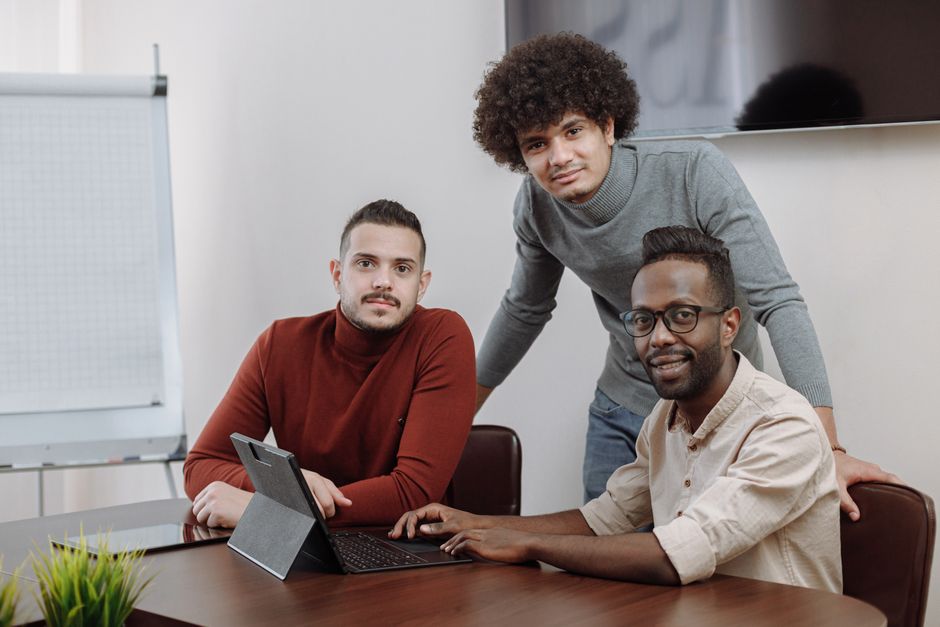
What Role Does Emotional Intelligence Play in the Workplace?
Emotional intelligence (EQ) means you understand and manage your own feelings, and you can also pick up on and influence other people’s emotions. For you, as a grad, a high EQ means better relationships with people, stronger leadership potential, and smoother conflict resolution. It lets you empathize with coworkers, clients, and your bosses, creating a much more positive, productive workplace. And understanding different viewpoints? That’s super important for working together.
Self-awareness is part of EQ. It helps you recognize your strengths and weaknesses, understand how you affect others, and manage your stress reactions. That self-control is key to staying professional and making good decisions, even when things get stressful. Grads with high emotional intelligence are often better at building connections, earning trust, and motivating their teams. They’re natural leaders, really. They can also handle office politics better and help create a more harmonious vibe.
Why is Time Management a Key Soft Skill?
Effective time management is a basic soft skill. It lets you prioritize tasks, hit deadlines, and get the most out of your day. You’ll need to organize your workflow, set realistic goals, and use whatever tools or techniques help you work smarter. Grads who handle their time well show they’re reliable, responsible, and really committed to their job. This skill is absolutely vital in fast-paced jobs where you often have tons of projects all demanding your focus.
Good time management also means less stress and a better work-life balance. Plan ahead, don’t procrastinate, and you’ll keep a steady pace. You’ll produce great work without feeling swamped. That means you’ll be happier at work, and your career path will be more sustainable. Employers really like folks who can manage their workload well and consistently deliver on time.

Building Your Soft Skills: Real-World Ways to Get Better
Sure, some soft skills might seem like you’re born with ’em. But you can absolutely develop and sharpen them with deliberate effort and practice. You should think of building soft skills as a continuous journey—it’s just part of growing professionally. So, what can you do? Get feedback, try out different experiences, and take on new responsibilities. Keep working on yourself in these areas, and you’ll stay ready for your career in 2026 and way beyond.
Regularly think about your experiences to spot where you can improve. Every single interaction—in school or at work—is a chance to practice and boost your communication, teamwork, and problem-solving. Do these things proactively, and you’ll build a really strong set of soft skills.
How Can You Improve Your Communication Skills?
Improving communication skills takes deliberate practice in all sorts of situations. Jump into class discussions, group projects, and presentations. Focus on being clear and concise. Look for chances to write reports, emails, and proposals. Pay extra attention to your grammar, how you structure things, and your tone. Try to explain complicated ideas simply. And getting helpful feedback on how you communicate? That’s priceless.
Also, really practice active listening. Make eye contact, nod, and ask clarifying questions when people talk. Summarize what someone’s said to make sure you got it right. Join public speaking clubs, or volunteer for things that demand a lot of interaction. Even recording yourself practicing a presentation can give you some surprising insights into your verbal and non-verbal habits.
What Are the Best Ways to Enhance Your Teamwork Abilities?
Want to get better at teamwork? Actively look for chances to work with others. Join student groups, play team sports, or volunteer for community projects. In those situations, concentrate on sharing duties, giving support, and solving arguments constructively. And practice being a reliable team member by getting your tasks done carefully and on time.
Take on leadership roles in group settings. That’ll help you learn to motivate and coordinate people. Learn to delegate well, and trust what your teammates bring to the table. Think back on past team experiences: What went great? What could’ve been better? Giving and getting feedback on how the team did? That’s vital for growing. Plus, understanding different team roles and how teams work will make you a much more versatile collaborator.
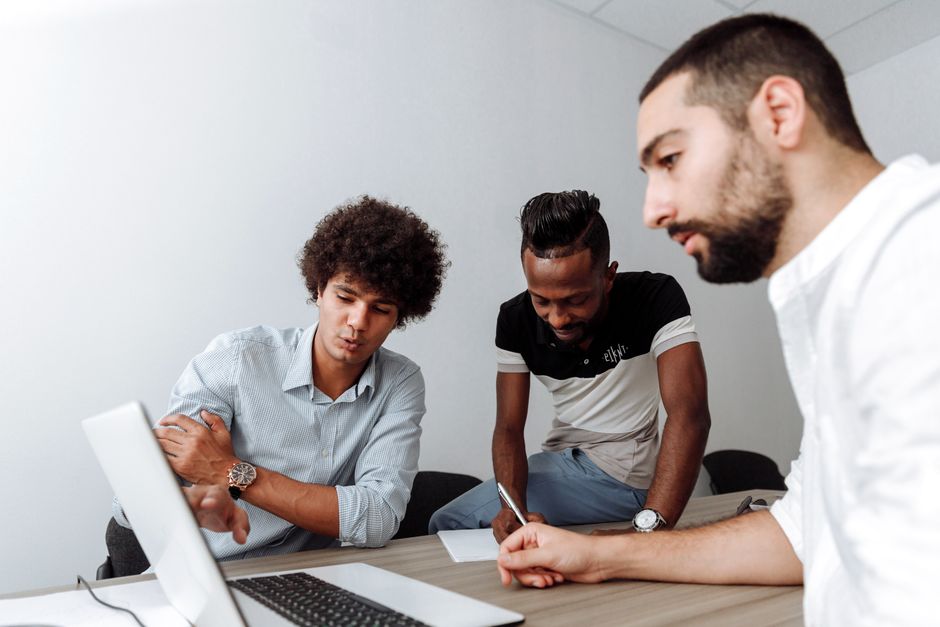
How Can You Cultivate Adaptability and Problem-Solving Skills?
To become more adaptable, you’ve got to embrace new experiences and step right out of your comfort zone. Tackle tough academic projects. Learn new software. Heck, even travel somewhere you’ve never been. Those experiences push you to adjust to new stuff and come up with fresh solutions. And when things change unexpectedly, practice staying positive. Focus on finding solutions, not just getting stuck on the problem.
Want to get better at solving problems? Approach every challenge with a clear, structured mind. Clearly define the problem. Gather info. Brainstorm lots of solutions. Weigh their pros and cons. Then, pick the best one and run with it. Look back at what happened to learn from the whole thing. Try case studies or puzzles that make you think analytically. Find mentors who can walk you through tricky decisions. Always asking “why” and “how” can lead to a much deeper understanding and stronger solutions.
Conclusion
For graduates entering the professional world in 2026, mastering soft skills is not just nice to have, it’s absolutely essential. Being able to communicate well, work smoothly in teams, and smartly handle workplace dynamics? That’s what’ll shape your career path. These skills aren’t technical, but they’re hugely impactful. They’re exactly what employers want to build strong, creative, and unified teams. So, spend time and effort building your soft skills. It’ll open up huge professional doors, and you won’t just be employable—you’ll be genuinely indispensable.
Frequently Asked Questions
What are the main differences between soft skills and hard skills?
Soft skills are things like communication and teamwork—they’re non-technical people skills. Hard skills are teachable, measurable abilities, think programming or accounting. Hard skills often fit one specific job, but soft skills? They work everywhere, across all industries and positions.
Can soft skills be learned and improved over time?
Totally! Some people might seem naturally good at certain soft skills, but everyone can learn them, practice them, and get way better. It just takes conscious effort, feedback, and using them in real-life situations, both personal and professional.
Why are soft skills considered more important than hard skills by many employers?
Lots of employers really rate soft skills. Why? Because they show how well an employee can use their hard skills, work with others, adapt to change, and bring a positive vibe to the company. Just knowing the tech isn’t enough if you can’t use those people skills to make it actually work.
How can graduates demonstrate their soft skills during a job interview?
You can show off your soft skills in interviews by using the STAR method (Situation, Task, Action, Result). Use it to talk about times you used communication, teamwork, or problem-solving. Actively listening, having positive body language, and asking smart questions? Those show these skills too.
Which soft skill is most important for leadership roles?
Sure, lots of soft skills matter for leaders. But emotional intelligence, closely followed by communication and strategic thinking, is often seen as the absolute top one. Leaders with high emotional intelligence can inspire, empathize, and really guide their teams well, building trust and motivation.
Are soft skills still relevant with increasing automation and AI in 2026?
Absolutely! Soft skills are actually more critical now with all the automation and AI coming in. Machines can do the routine stuff, right? So, those uniquely human skills — creativity, complex problem-solving, critical thinking, emotional intelligence, and working across different teams — they become incredibly valuable and simply irreplaceable.



Pingback: 10 Steps to Build an Impressive Digital Portfolio by 2026
Pingback: Remote Bookkeeping for Accounting Students: 7 Steps to Early Success
Pingback: 7 Engineering Students Practical Handbook Tips for High-Paying Jobs