

Quick answer: This study abroad complete guide will show you how to plan, pay for, and actually live through an international education. We’ll hit all the key steps: getting your visa, figuring out your budget, learning a new language, and dealing with culture shock. You’ll be ready for a great academic adventure abroad.
Key Takeaways
- Thorough research into programs and destinations is crucial for a successful study abroad experience.
- Financial planning, including scholarships and budgeting, is a significant component of the preparation process.
- Visa requirements and application timelines vary widely by country and demand meticulous attention.
- Proactive language preparation enhances both academic success and cultural immersion.
- Understanding and preparing for culture shock can ease adaptation to a new environment.
- Prioritizing health insurance and safety measures is non-negotiable for international students.
Want to study internationally? You’ll need solid planning and prep. This study abroad complete guide is here to give you everything you need, from that first bit of research to handling cultural differences once you’re there.
Why Study Abroad? A Complete Guide to Your Future.
Deciding to study abroad? It’s a big step, and it changes you for the better, both personally and professionally. You’ll get a global view, understand other cultures way more deeply, and pick up some really important life skills.
But it’s not just about academics. An international education truly boosts your career chances. Companies these days love people who can talk across cultures, adapt easily, and show real independence – all things you get from studying abroad.
So, yeah, beyond your classes, you’ll become more independent, tougher, and better at solving problems. It’ll push you outside your comfort zone, and that’s where you find out what you’re really capable of. You’ll come back a lot more confident.
How to Start Planning Your Study Abroad Adventure
So, where do you even begin? Start by diving into potential destinations and programs. Think about your academic goals, your major, and what you’re personally interested in. That’ll help you narrow things down.
Look into different countries, universities, and program styles. Maybe direct enrollment? An exchange program? Or a faculty-led trip? Each one’s different, and you want to pick what really fits what you want to achieve.
And don’t forget to talk to people! Hit up your university’s international office, program providers, and even alumni. Their firsthand stories and advice are gold when you’re trying to decide on your future academic home.
Choosing the Right Destination and Program
Okay, so you’re thinking about where to go. You’ll want to check out things like the climate, the local vibe, how much it costs to live there, and, of course, safety. Dig into the universities’ academic reputations too, and make sure their courses match what your degree needs.
And then there’s language. Some programs absolutely need you to be fluent. But plenty of others, even in places where English isn’t the main language, teach in English. This decision will really shape your prep.
Planning to work while you study? Look into the local job market. That might push you towards certain destinations, since some countries are way more student-work-friendly than others.
The Application Process and Deadlines
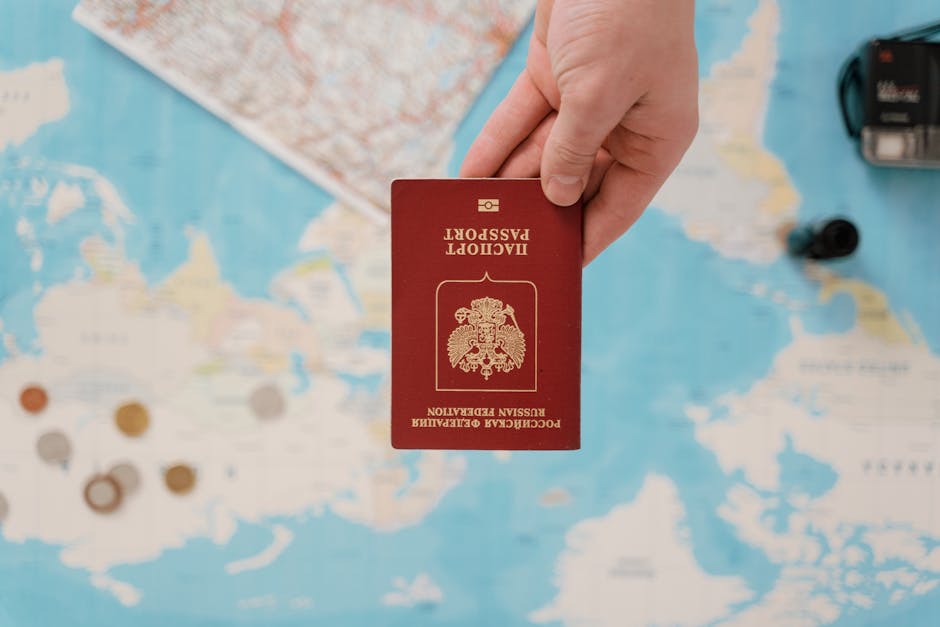
Application deadlines can be wildly different, depending on the school and country. A lot of programs want your application 6-12 months ahead of time, especially if you’re aiming for a competitive scholarship or a super popular university.
So, get all your documents together: transcripts, recommendation letters, essays, and any test scores like TOEFL or GRE. And if anything needs translating, make sure it’s done.
Really pay attention to what each program asks for and how they want you to submit it. Get it wrong, or hand it in late, and your application might just get tossed. Stay super organized during this part.
Finances for Your Study Abroad Journey
Let’s be real: paying for an international education is usually top of mind for students and their families. You need a solid financial plan if you want things to go smoothly and without too much stress.
Tuition costs can really jump around. We’re talking thousands to tens of thousands of dollars a year, all depending on the country and the school. For example, some public universities in Europe might charge international students way less than schools in the U.S. or UK.
But don’t just think about tuition. You’ve got living expenses too: housing, food, getting around, health insurance, and just personal spending. So, look up the average cost of living for your chosen city. It’s a key piece of the puzzle.
Getting Scholarships and Financial Aid
Good news: there are tons of scholarships out there specifically for international students! Host universities, your home government, private groups, or even specific program providers might offer them.
Start looking for scholarships ASAP. Their application deadlines often hit long before university admissions. Plenty of websites focused on study abroad also have huge lists of scholarships.
And when you write those essays, make ’em shine. Show off your grades, your personal goals, and how studying abroad fits into what you want to do next. Just make sure you tweak each application to what that specific scholarship is looking for.
Budgeting and Managing Your Money Abroad
You’ll want a super detailed budget, one that covers all your expected costs – the fixed ones and the ones that change. And then, actually track your spending. That way, you won’t hit any nasty financial surprises and you’ll stay on budget.
Look into international banking and how you’ll transfer money. Think about opening a local bank account once you arrive; it’ll save you a ton on transaction fees. Before you even leave, chat with your home bank about your options.
Know the local currency and what the exchange rates are. And please, be smart about scams that target international students. Your financial safety comes first. So, don’t carry huge wads of cash.
Mastering Language and Culture Shock: A Study Abroad Complete Guide
Okay, so you’re going to a new place, with new language and culture. Getting used to that? It’s a huge part of studying abroad. If you get ready for these things, your whole experience and even your grades will be way better.
Knowing the local language isn’t just for your classes; it’s about fitting in. If you can talk to people, you’ll make friends, handle your day-to-day life, and really get deep into the culture.
And yeah, culture shock is totally normal. Everyone goes through it. If you understand what to expect and how to handle it, you’ll get through those first tricky bits and actually start loving all the unique stuff about your new home.

How to Learn the Language
Headed to a non-English speaking country? Start those language lessons months before you leave! Even just knowing a few basic phrases can seriously help you settle in at first.
But once you’re there, really throw yourself into it. Live with a host family, join some local clubs or sports teams, and push yourself to hang out with native speakers. Practice every single day, even if it feels awkward at first.
And you can boost your learning with language exchange partners, phone apps, or local classes. The secret? Keep at it, and don’t be afraid to mess up. That’s how you get fluent.
Dealing with Culture Shock
So, culture shock usually hits in phases: first, everything’s amazing (the honeymoon phase), then things get a bit tough, then you start to adjust, and finally, you adapt. Just know that feeling confused, frustrated, or homesick is totally normal.
Keep an open mind, and seriously, a sense of humor helps. Instead of fighting the differences, lean into them. Try weird new foods, go to local festivals, check out the history. Just get out there and explore!
And connect with other international students and local friends. Having that support system makes a huge difference. If you’re feeling overwhelmed, don’t be shy – your university’s support services are there for you.
Visas, Health, and Safety: Your Study Abroad Complete Guide
Getting the right visa, and taking care of your health and safety? These aren’t optional; they’re absolute musts before and during your study abroad adventure. Your legal status and how well you do abroad totally depend on them.
Visa applications can be tricky and they take a while. You’ll need specific documents and interviews. So, get started on this process super early. You definitely want to avoid any last-minute headaches or delays.
And knowing the local laws, what to do in an emergency, and how to access health services? That’s essential for staying safe. If you’re prepared for unexpected stuff, you’ll feel a lot calmer.

Visa and Immigration Procedures
First off, figure out exactly what kind of student visa your host country requires. Do this way ahead of time. The embassy or consulate website will have the most current info.
Then, pull together all the documents you’ll need: your acceptance letter, proof you can pay for things, your passport, photos, and maybe even a police clearance. Some places also want a health check or vaccination records.
But don’t wait to schedule your visa interview and fingerprinting. These things can take anywhere from a few weeks to several months to process. So, when you’re planning your 2026 departure, build in plenty of time for this.
Health Insurance and Staying Safe
Look, good health insurance isn’t optional for international students; most countries make it mandatory. Your host university or program might have specific plans, or you might need to buy your own policy.
Make sure you know what your insurance actually covers: emergency care, prescriptions, even getting you back home if something really bad happens. Keep your policy info and emergency numbers somewhere super easy to get to.
And check out the local emergency numbers and safety tips. Always be aware of what’s going on around you, especially in places you don’t know. Register with your home country’s embassy or consulate too; it adds an extra layer of security.
Get to know the local laws and customs. What’s fine at home could be totally illegal or offensive there. So, respect the local ways – it makes a huge difference to how good your experience is.
Your Pre-Departure Checklist: Final Study Abroad Steps
Okay, it’s almost time to leave! A solid checklist now means you won’t forget anything important. This last stage of prep really cuts down on stress and gets you ready for a smooth move.
Double-check your flight info and how you’re getting from the airport to where you’ll live. And tell your family and friends your travel plans.
Pack smart for the weather and local customs. Don’t forget crucial documents, any meds you need, and adapters for your electronics. Make copies of those important papers, too, and keep them somewhere separate.
Also, let your home university, bank, and phone company know you’re heading abroad. Set up automatic payments for bills, and make sure you can get to your money from overseas.

Coming Home: What to Expect with Reverse Culture Shock
When you get back, a lot of students feel what’s called “reverse culture shock.” Everything at home might feel different, and you could find yourself struggling a bit to get used to your own culture again.
So, cut yourself some slack and give it time. Talk about your experiences with friends and family. But also, understand they might not totally get how much you’ve changed.
And link up with other students who’ve studied abroad. They’ll really understand what you’re going through. Plus, make sure to highlight that international experience on your resume and in future job interviews.
Frequently Asked Questions
When should I start planning my study abroad trip?
Ideally, you’ll want to kick off your planning 12 to 18 months before you want to leave. That’s especially true if you’re chasing after competitive scholarships or really popular programs for the 2026 academic year.
Do I have to be fluent in another language to study abroad?
Nope, not always! Lots of programs in non-English speaking countries actually teach their classes entirely in English. But hey, picking up some basic local language skills? Always a good idea for daily life and really getting into the culture.
How can I make studying abroad cheaper?
Simple: hunt down and apply for tons of scholarships, stick to a tight budget, look at places with lower living costs, and see if your student visa lets you work part-time.
What if I get culture shock or homesick while I’m away?
Honestly, culture shock and homesickness happen to everyone. Reach out to your university’s support services, connect with other international students, or call a friend or family member. And try to dive into new experiences; that really helps you adjust.
Is health insurance required for international students?
Yep, almost every single country makes comprehensive health insurance mandatory for international students, definitely by 2026. Your host school will probably ask for proof of coverage before you can even enroll.
How does studying abroad help my career?
It makes you a much more appealing candidate, period. You’ll gain a global outlook, better cross-cultural communication, adaptability, and independence – all qualities employers will be looking for in the job market post-2026.