
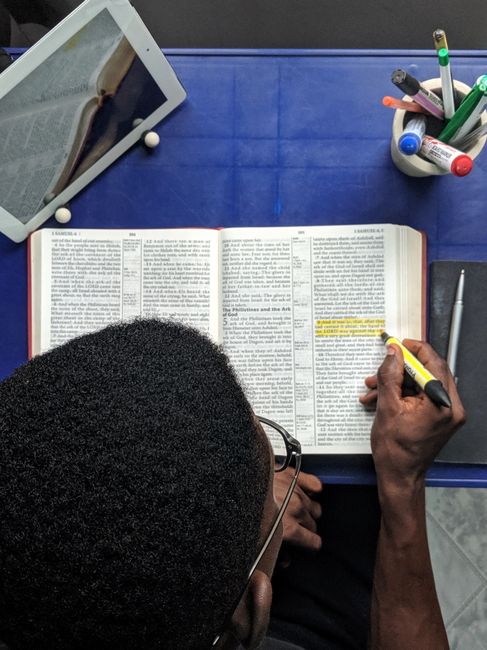
Quick answer: Want to truly learn things and actually remember them? Then you’ve got to stop highlighting textbooks. Seriously, drop the highlighter. It’s time to swap those old habits for active study methods. They just make you feel like you get it, but your brain isn’t really doing the hard work it needs to for long-term memory. Instead, try things like active recall, spaced repetition, and practice testing. They’re proven to boost your comprehension and retention big time, setting you up for academic success in 2026 and beyond.
Key Takeaways
- Highlighting and rereading are passive learning strategies that create an illusion of knowledge.
- Active recall, such as self-quizzing or flashcards, forces the brain to retrieve information, strengthening memory.
- Spaced repetition optimizes review intervals to combat the natural forgetting curve.
- Elaborative rehearsal involves connecting new information to existing knowledge, deepening understanding.
- Practice testing is one of the most effective study methods, revealing knowledge gaps and boosting retrieval strength.
- Effective note-taking methods like Cornell notes or mind mapping actively process information.
- Transitioning to active learning methods leads to superior long-term retention and better academic performance.
Why Should You Stop Highlighting Textbooks?
Many students just grab a highlighter, believing it’s the best way to really nail their course material. But if you actually want to do well and hold onto that info, then you absolutely need to stop highlighting textbooks.
This common study habit? It’s passive. Just plain passive. It tricks your brain, making you think you’re learning something when all you’re really doing is skimming words.
Highlighting gives you a false sense of knowing. When you see text marked in bright colors, it feels familiar. So you end up thinking you grasp the material way better than you actually do. It’s a trap!
Science backs this up: passive strategies like highlighting don’t really help you understand or remember much. Your brain has to actively wrestle with information if it’s going to stick in your long-term memory.
What’s Wrong with Just Rereading and Highlighting?
The real issue with just rereading and highlighting? They don’t engage you actively at all. These methods let you completely skip the tough but necessary retrieval process that’s vital for learning.
Just scanning pages or scribbling over sentences won’t make your brain connect ideas, pick apart information, or put it together in a way that makes sense.
Time and again, studies show that students who mostly just reread and highlight do worse on big exams than students who use active strategies.
So, what’s that mean? You’re studying longer, but getting less and less out of it. And that leads to major frustration and, let’s be honest, burnout.
What Are the Best Active Learning Strategies to Stop Highlighting Textbooks?
To really learn things and make that knowledge stick, you’ve got to actively engage with your study materials. And switching over to active learning strategies is the best way to finally stop highlighting textbooks and kickstart smarter studying.
These methods make your brain work hard. They force it to process, retrieve, and put together information. That builds stronger connections in your brain, leading to way better long-term recall.
When you use these strategies, you won’t just remember more. You’ll actually understand concepts much deeper. That gets you ready for all sorts of questions and real-world situations.
So, give these techniques a shot. They’ll totally transform your study habits and help you get top academic results in 2026 and beyond.
How Can Active Recall Improve Memory Retention?
Active recall is a really powerful technique. It’s when you purposefully pull information out of your memory without peeking at your notes or textbook. This process actually strengthens the memory itself, so recalling it later becomes much easier.
When you make your brain remember something, you’re essentially practicing for the exam. Because that’s exactly what you’ll need to do on test day!
How do you do it? Well, you can use flashcards: look at a term, then try to define it. Or try ‘blurting,’ which means closing your book and just writing down everything you can remember about a topic.
Quizzing yourself with practice questions or even making up your own questions are fantastic ways to use active recall. And that directly tests what you actually know and points out where you’ve got gaps.
How Does Spaced Repetition Reinforce Learning?
Spaced repetition means you review information, but you do it at longer and longer intervals over time. This technique directly fights off something called the Ebbinghaus forgetting curve. That curve shows just how fast we forget new stuff.
You revisit material right when you’re on the verge of forgetting it. That reinforces the memory without you having to over-study. It makes your study time super efficient.
Digital flashcard apps, like Anki, are actually built with spaced repetition algorithms. They automatically tell you exactly when to review each card.
And you don’t even need an app. You can just make a review schedule for your topics yourself. Go over them after a day, then three days, then a week, and so forth.
Why Is Elaborative Rehearsal More Effective?
Elaborative rehearsal is a deep processing strategy. Basically, you link new information to stuff you already know, but you do it in meaningful ways. It’s not just about rote memorization. It’s about really understanding and getting the context.
So, instead of just repeating a definition, you’d explain a concept in your own words. Maybe you’d come up with analogies, or even connect it to something in your own life.
Take the Feynman Technique, for instance. You teach a concept to someone else (or pretend to), then you figure out where your explanation falls apart. Then you go right back to the source material to fix those gaps.
And making concept maps or diagrams that show how ideas connect? That’s elaborative rehearsal too. It builds this really strong web of understanding.
How Does Interleaving Boost Understanding?
Interleaving means you mix up different kinds of problems or topics all in one study session. You don’t ‘block’ them off by studying one thing completely before moving on.
Say you’re doing math. Instead of slamming through 20 problems of the exact same type, you’d switch between algebra, geometry, and calculus problems. This forces your brain to really tell the difference between problem types and pick the right strategy for each.
It makes you way better at spotting patterns and knowing which methods to use. So, your problem-solving skills get sharper, and your understanding becomes more flexible.
Plus, it makes study sessions way less boring and much more engaging. And that helps you focus better and remember more.
What Are Effective Note-Taking Methods Beyond Highlighting?
Good note-taking methods get you actively processing information, not just passively scribbling it down. They turn raw text into organized, super meaningful summaries.
Take the Cornell Note-Taking Method. It splits your page into sections for main notes, cues or questions, and a summary. This setup really pushes you to actively process things during and after lectures.
Mind mapping? That’s when you draw a central idea and then branch out with all the related concepts, keywords, and even images. It’s all about using visual organization to link ideas and boost your recall.
Outlining means you structure information in a hierarchy: main points, then sub-points. This really helps you get the logical flow and how different parts of the material connect.
But what’s key? All these methods make you actively put together, summarize, and organize information. That leads to much deeper learning than just simple highlighting ever could.

How Can Practice Testing Enhance Performance?
Practice testing always comes out on top as one of the best study strategies. You test yourself on the stuff you’re learning, using quizzes, old exams, or even questions you make up.
This strategy does a few things: it makes you actively recall information, it shows you exactly where you’re weak, and it gives you practice under test conditions.
There’s a ‘testing effect’ too. It shows that just trying to retrieve information in a test actually strengthens that memory. And it makes it easier to get to later on.
Taking regular, low-stakes practice tests all through a course can seriously boost your scores on big, high-stakes exams. It works way better than endlessly rereading or highlighting, that’s for sure.
Real-World Impact: Transforming Study Habits by Not Highlighting Textbooks
Shifting away from passive methods, like just highlighting, and moving to active learning strategies? That gives you real, noticeable benefits. Students who use these techniques consistently say they understand things better and get higher grades.
Lots of universities and educational psychologists are pushing for these study methods now. And why not? They’re evidence-based. They’re proven to help you remember things for much longer than those old, passive ways.
When you make your brain really work hard while you study, you’re building a stronger, more accessible knowledge base. And that means way less cramming and much more confident performance when the pressure’s on.
This isn’t just about remembering facts, though. It’s about truly understanding complex ideas and how to use them. It’ll get you ready for academic and professional challenges well beyond 2026.

How Can Students Transition to Active Learning?
Switching from your comfy, old passive habits to new, active ones won’t be effortless. It takes conscious effort and real consistency. Just pick one new strategy to start, then weave it into your daily routine.
Begin small. For instance, turn those highlighted sections into self-test questions. Then, little by little, replace more of your highlighting with active recall sessions.
And experiment! Try different techniques to find what really clicks for your learning style and the subjects you’re tackling. Not every strategy works perfectly for everyone or every single course, after all.
Set aside specific ‘active study’ time, and hold yourself to it. Be accountable. And remember, that initial discomfort? It’s just a sign your brain is working harder. And that’s exactly what you want for good learning.
Maximizing Your Learning Potential in 2026 and Beyond
When you choose to stop highlighting textbooks and instead embrace active, evidence-based learning strategies, you’re making a massive investment in your intellectual future. You’re not just superficially recognizing things anymore; you’re moving towards deep, real comprehension.
These methods don’t just boost your grades, you know. They also build critical thinking skills. They’re prepping you for lifelong learning and solving all sorts of problems.
The world’s changing fast. So, being able to truly acquire, keep, and use knowledge is absolutely vital. Seriously, make 2026 the year you completely revolutionize your study habits.
Empower yourself with strategies that actually work. You’ll master any subject with confidence and real efficiency, I promise.

Frequently Asked Questions
Is highlighting textbooks ever useful?
Highlighting can be useful, but only as a first pass. Maybe it helps you spot potentially important sections. But it should never be your main study method. Think of it as a step before active processing, not a replacement.
How quickly should I switch from my old study methods?
Don’t try to change everything at once. Slowly bring new active learning methods into your routine. Start with just one or two techniques, then gradually replace your old habits over a few weeks. That way, you won’t feel overwhelmed.
Can I combine active learning techniques?
You absolutely can! Combining strategies – maybe active recall with spaced repetition, or elaborative rehearsal with practice testing – often gives you the most powerful learning outcomes.
What if I don’t have time for these elaborate methods?
Actually, active learning is more efficient. It won’t necessarily take more time in the long run. Even quick bursts of active recall or self-quizzing are way more effective than hours spent passively rereading.
Will I see immediate results from active learning?
You might notice you understand things better pretty quickly. But the real, full benefits – that enhanced long-term memory and retention – usually show up after several weeks or even months of consistent practice.