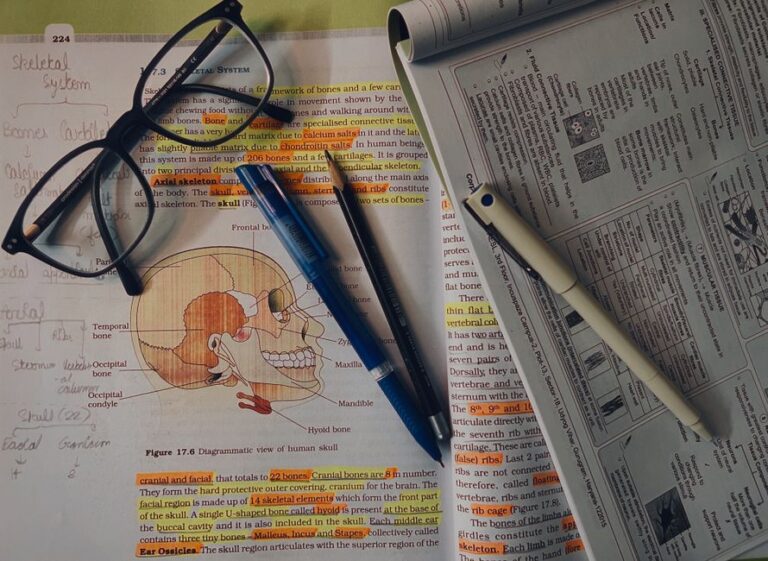
Quick answer: The solitary grind of hard academic work isn’t just a tough challenge; it’s a real opportunity. You can turn it into something genuinely rewarding with smart strategies for focus, setting up your space just right, and tapping into your own motivation. Dive into this deep work, and you’ll hit higher levels of understanding, ace your studies, and feel a deep sense of accomplishment and intellectual growth.
Key Takeaways
- See deep academic work’s solitary nature not as a burden, but as a chance for intense focus and real intellectual growth.
- Set up your study space so it’s distraction-free and works perfectly for your learning style.
- Use structured routines – things like time blocking or the Pomodoro Technique – to really pump up your productivity and keep that momentum going.
- Build your own motivation by linking what you’re studying to your personal goals and how your knowledge can make a real impact.
- Make self-care a priority – breaks, exercise, enough sleep – to fight off burnout and keep your academic energy high long-term.
- Use today’s digital tools smartly. They should help you concentrate, not pull you into endless distractions.
So, What Exactly Is This Solitary Grind?
The solitary grind? It’s those intense, often lonely stretches of deep focus you need for serious academic work. We’re talking long hours: reading, researching, writing, solving problems, usually by yourself. But this process is absolutely fundamental to mastering tough subjects and churning out top-notch scholarly stuff.
A lot of students find this isolation tough; they see it as loneliness or just missing out on social interaction. But what if you saw it as your dedicated space for deep work? That shift in perception makes all the difference. It’s really a crucible where you forge true understanding.
Why You Absolutely Need Deep Focus to Succeed Academically
Deep focus isn’t just nice to have; it’s critical for academic success, especially as we head into 2026 and beyond. The world’s just getting more distracting, so being able to do “deep work” — that’s Cal Newport’s term — is practically a superpower. It lets you give sustained, undivided attention. That’s what you need to master tough material, pull together complex ideas, and actually come up with original thoughts.
Without that deep focus, your learning stays superficial. You just won’t retain as much. Think about it: It’s the difference between skimming a textbook and really getting its concepts, internalizing them. And that kind of focused engagement? It actually builds stronger neural pathways. That means a more robust, resilient understanding you can count on.
Embrace the Solitary Grind: Isolation Isn’t Loneliness, It’s Where You Get Real Insight
Lots of people see academic solitude as a burden. But it’s actually a powerful spark for deep insight. Seriously. When you strip away outside distractions and social stuff, your mind’s free to really dig into complex topics without interruption. This unbroken cognitive flow? That’s where you make connections and new ideas just pop out.
Think of it as mental immersion. An athlete trains alone to refine their technique, right? Your academic mind needs that same solitude to sharpen its intellectual tools. This dedicated time lets you introspect and reflect critically, stuff group settings often shut down.

So, How Do You Set Up Your Solitary Grind Space?
Setting up the right environment is super important for getting the most out of your deep work sessions. Your space needs to cut down distractions and boost comfort and functionality. Think about the lighting, temperature, and noise levels.
A dedicated study spot, even if it’s just a small corner, tells your brain: ‘Okay, time for focused work.’ Make sure it’s tidy and has everything you need so you don’t have to stop. Oh, and noise-canceling headphones? They can make a huge difference for staying in the zone.
Structuring Your Solitary Grind to Get the Most Out
Just being alone isn’t enough, though. Structure is key for productive solitary work. Good time management? That’s what turns endless hours into super efficient study blocks. This proactive approach helps you sidestep burnout and keeps you making steady progress.
No plan? Then the ‘grind’ can feel aimless and totally overwhelming. But a good structure gives you direction, chops big tasks into bite-sized pieces, and builds momentum. It makes the whole process feel way more manageable, way less daunting.
Best Time Management Tricks for Deep Work?
Plenty of strategies can help you manage time well during intense study periods. Take the Pomodoro Technique, for example: it’s 25 minutes of work, then a short break. That builds intense focus but also keeps mental fatigue at bay.
Time blocking is another great one. You dedicate specific periods – often several hours – to particular tasks. This guarantees important work gets dedicated attention, cuts down on context switching, and really boosts your productivity. Your digital calendar or productivity apps can help you plan and stick to these blocks, too.
How Do You Shut Down Digital Distractions While Studying?
Digital distractions are everywhere in academic life now, and they’re a huge threat to deep focus. You’ve just got to actively manage your notifications and how much you use certain apps. Try website blockers for social media or entertainment sites during your designated study times.
Put your phone on ‘do not disturb’ — or better yet, in another room. Seriously, it can drastically improve your concentration. The idea here is to make your digital tools work for your learning, not derail it. And regular digital detoxes? They’re great for refreshing your mind.

Finding Joy and Purpose in Your Solitary Academic Journey
That “loneliness” you feel doing hard academic work? It doesn’t have to be a drag. You can totally reframe it as a time for real self-discovery and intellectual reward. The trick is to shift your mindset and actively look for your intrinsic motivation in your studies. When you truly connect with the deeper purpose of what you’re learning, being solitary feels less like isolation and more like intentional, deep concentration.
This reframing lets you really appreciate the quiet satisfaction of mastering a tough concept, or finally making a breakthrough in your research. It’s about building that inner drive, something way beyond just external validation.
How Does Intrinsic Motivation Supercharge Your Study Experience?
Intrinsic motivation? That’s when you do something because you genuinely want to, for the satisfaction of the activity itself, not for outside rewards. For studying, it means you’re genuinely interested in the subject, curious to learn, or driven by a desire to grow as a person. That kind of internal drive? It’s way more sustainable and powerful than just chasing grades or external praise.
To build that intrinsic motivation, regularly think about why your field matters to you. What problems does it solve? How does it fit with your big-picture aspirations? Connecting your daily tasks to those larger goals? That can make the grind feel truly purposeful.
Strategies to Stay Mentally Strong and Avoid Burnout?
Keeping your mental strength up during long stretches of intense academic work? It’s vital. Regular breaks aren’t negotiable. Short hourly breaks, and longer ones every few hours, help reset your mind. And physical activity – even just a quick walk – can seriously boost your mood and cognitive function.
Enough sleep is another cornerstone for staying productive and mentally healthy. Skimp on sleep, and you’ll severely mess up your focus and memory. That just makes the ‘grind’ feel way, way harder. Mindfulness, like meditation, can also cut down stress and really sharpen your concentration during those intense study sessions.

Using Resources and Support Systems (Even When You’re Alone)
Sure, this kind of deep work is all about your individual effort. But that doesn’t mean you have to ditch all your support. Knowing when and how to use available resources, and staying connected to your academic community, can seriously improve your experience. Even when you’re isolated, you’re still part of a bigger network.
Using resources smartly lets you get past stumbling blocks way more efficiently, stopping prolonged frustration. Plus, it gives you a sense of belonging and reinforcement, even if you don’t interact often.
When Should You Ask for Help or Collaborate During Independent Study?
Yeah, a lot of academic work is solitary, but knowing when to ask for help? That’s crucial. If you’re stuck on a problem for ages — say, more than 30-60 minutes with no progress — it’s usually smarter to just consult a resource or a friend. That stops you from wasting time and just getting more frustrated.
Quick, targeted chats with professors, TAs, or study groups can really clear up confusing stuff and give you fresh perspectives. But keep these interactions strategic and focused, not long social gatherings that derail your deep work. Remember, collaboration isn’t always about working side-by-side; sometimes it’s just a quick, impactful exchange of ideas.
What Tools and Tech Can Boost Your Focused Academic Work in 2026?
Academic tools have really changed. Digital note-taking apps with powerful search (think Notion or Obsidian) can help you organize tons of info. And reference managers like Zotero or Mendeley? They streamline citation and bibliography creation, saving you countless hours.
Apps that boost focus – ones that block distractions or play ambient background noise (Brain.fm or Coffitivity, for example) – can build an ideal soundscape. Collaborative platforms, if you use them sparingly and with intent, let you do quick check-ins with colleagues without wrecking your deep work. Ultimately, these tools are there to add to what you can do, not replace your own intrinsic focus.

Keeping Balance: It’s Not All About the Books
The sheer intensity of this kind of deep work can sometimes throw your life out of balance. Dedication is key, sure, but ignoring other parts of your well-being? That’s bad for your long-term academic performance and your overall happiness. A balanced approach means you stay productive and have a much more fulfilling experience.
Make activities outside of study hours a priority. They help refresh your mind and offer a needed counterpoint to all that intellectual exertion. This holistic approach fights off burnout and keeps your cognitive function running at its peak.
Why Self-Care Is Non-Negotiable for Long-Term Academic Performance
Self-care isn’t some luxury. It’s a fundamental requirement if you want to keep performing academically. Ignore your physical and mental health, and you’ll end up with diminished concentration, less creativity, and ultimately, lower quality work. Regular exercise, a balanced diet, and enough sleep directly hit your cognitive function and mood.
Hobbies, time in nature, connecting with loved ones – these all give you essential mental breaks. They let your subconscious mind process information. That often leads to breakthroughs when you get back to your studies. Seriously, think of self-care as crucial maintenance for your most important academic tool: your brain.
How to Reintegrate Socially After Intense Focus?
Coming out of an intense solitary work period? You’ll need to intentionally reintegrate into your social life. Schedule social stuff ahead of time, and treat it with the same importance as your study blocks. That way, you’ve got something to look forward to, and it helps you truly disconnect from work.
Tell your friends and family when you’ll be ‘resurfacing.’ Then, when you’re out, really participate in conversations and activities to fully shift from academic mode to social mode. This balanced approach means you get all the benefits of deep work without sacrificing those personal connections.
Frequently Asked Questions
What’s the best way to kick off a deep work session?
First, clearly define your goals for the session. Then, eliminate distractions and make sure your workspace is ready before you even sit down.
How long should a deep work session typically run?
Experts usually suggest deep work sessions run anywhere from 90 minutes to 4 hours. It really depends on your focus capacity, and you should always build in short breaks.
Can music actually help with intense focus?
Instrumental or ambient music, especially without lyrics, can definitely help some people block distractions and focus better. But everyone’s different; it really comes down to personal preference.
How can I tell if I’m burning out from solitary study?
Look for persistent fatigue, way less motivation, more irritability, trouble concentrating, and feeling like you haven’t accomplished much, even after hitting goals.
Is it normal to feel lonely during intense academic periods?
Yep, it’s super common to feel isolated or lonely. But reframe it as purposeful solitude, and actively plan social breaks. That can really help.
What are the benefits of mastering this approach?
Mastering this approach gives you deeper understanding, higher-quality academic work, sharper problem-solving skills, and a strong sense of self-reliance and intellectual confidence.