

Quick answer: To successfully rent out idle gear, you should first identify valuable unused electronics, properly prepare them for rental by inspecting and cleaning, then list them on reputable peer-to-peer rental platforms, ensuring clear agreements and insurance for protection. This process allows individuals to generate significant passive income from items like cameras, drones, or even scientific calculators.
Key Takeaways
- Make money from electronics you rarely use.
- Inspecting and cleaning your gear carefully is crucial for good rentals.
- Specialized online platforms connect you securely with potential renters.
- Good insurance and clear rental agreements protect your stuff and your earnings.
- Lots of electronics are in demand, from fancy cameras to special calculators.
- Great communication and service build your reputation.
Got valuable electronics just sitting there, gathering dust? Instead of letting them lose value in a closet, why not try something smart: rent out idle gear to others who need it for a bit. This booming rental economy offers a great way to turn forgotten assets into a steady passive income. And it’s not just good for your wallet; it’s good for the planet too.
The sharing economy has really taken off by 2026. Now, you can find solid marketplaces for almost anything, from power tools to fancy photography equipment. When you get involved, you’re not only earning extra cash, but you’re also helping create a more sustainable way to consume. People don’t have to buy new things they’ll only use sometimes, and that’s a win-win.
Why Should You Rent Out Your Idle Gear?
Making money from your unused electronics comes with some pretty compelling perks. It’s a practical way to manage your personal finances and resources in a world that’s more connected than ever.
What are the financial benefits of renting out your electronics?
The biggest perk? Passive income. High-value items—think professional cameras, drones, or specialized computers—can pull in serious rental fees. So, they could quickly pay for themselves, or at least offset what you spent to buy them. Imagine your DSLR earning money while you’re not even using it. Pretty neat, right?
Even smaller, more specific items, like graphic design tablets or scientific calculators, can bring in extra cash over time. These small amounts add up. They could cover maintenance, upgrades, or even help fund your next purchase.
How does renting promote sustainability and community?
Renting out your gear is an environmentally friendly choice. It helps products last longer, cutting down on waste and the need to manufacture new items. That means a smaller carbon footprint, and it lines up perfectly with global efforts to build a circular economy.
Plus, it builds community. You’re giving access to expensive or specialized tools to people or small businesses who might not be able to buy them outright. This helps creativity and productivity flourish. It’s a mutual benefit that strengthens local networks, which is pretty cool.
What Kind of Gear Can You Rent Out?
You’d be surprised how many kinds of electronics you can rent out. If an item is valuable, in good shape, and has a specific use, chances are there’s a market for it.
Is professional photography equipment in demand?
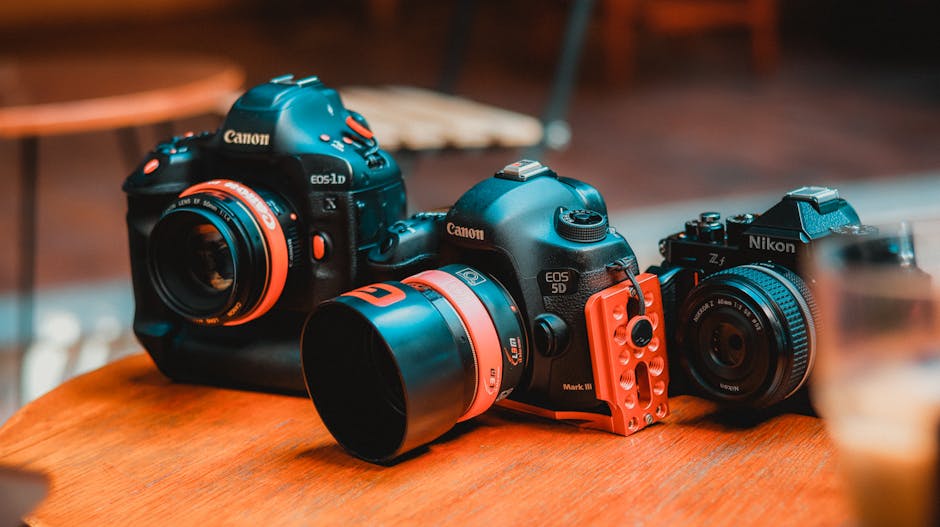
Absolutely. Professional cameras, lenses, lighting kits, and drones are almost always in high demand. Aspiring photographers, film students, and event planners often prefer to rent high-end gear for specific jobs instead of buying it. And that makes sense.
This category also includes video production stuff, like gimbals, external recorders, and good microphones. These things cost a lot to buy but usually get used only now and then. So, they’re perfect for renting.
Can I rent out niche electronics like scientific calculators?
Yes, even niche electronics can find renters. Scientific, graphing, or financial calculators are often required for specific classes or professional exams. Students or pros might only need them for a short time, so renting just makes more sense and saves money.
Other examples? Think portable projectors for presentations, VR headsets for events, or even advanced audio recording interfaces for musicians. Basically, if it’s expensive, specialized, or only needed occasionally, someone probably wants to rent it.
How to Prepare Your Gear to Rent Out Idle Gear Safely?
Getting your gear ready is super important. It keeps your equipment safe and ensures renters have a good experience. Taking these steps proactively minimizes risks and helps you earn more.
What essential checks should you perform before a rental?
Before any rental, you’ve got to inspect your gear thoroughly. Look for any existing damage, make sure everything works, and confirm all the necessary extras—cables, batteries, cases—are there and in good shape. Snap detailed photos and videos of the item’s condition. This documentation is crucial.
Then, give everything a good clean. Wipe down surfaces, lenses, and any sensitive parts. A clean, well-kept item shows you’re professional and encourages renters to treat it with care. Oh, and always make sure batteries are fully charged and software is up to date.
How important is documentation and clear terms for rentals?
Good documentation protects both you and the renter. This includes a detailed list of items, their serial numbers, and a clear description of their condition. Most rental platforms offer agreement templates. Just make sure yours covers rental length, fees, late return rules, and who’s responsible for damage.
Laying out all the terms and conditions upfront stops misunderstandings. This transparency builds trust and sets clear expectations, which are vital for smooth rentals and good reviews. It really makes a difference.
Where Can You Rent Out Your Idle Gear Effectively?
Picking the right platform or method to rent out idle gear truly impacts how successful, visible, and secure you are. Different options cater to different types of equipment and how much you want to be involved.
Which online platforms are best for renting electronics?
A few peer-to-peer rental platforms focus on electronics or general equipment. Places like Fat Llama, ShareGrid (great for photography/video gear), or local Facebook Marketplace groups offer different levels of security and reach. You’ll want to check out each platform’s fees, insurance, and who uses it.
These platforms often handle payments, verify identities, and help resolve disputes. That adds a layer of protection. Plus, they get your items in front of a big audience looking to rent.
How can you build trust with potential renters?
Trust is everything in the sharing economy. Keep your profile detailed and accurate, with clear photos and descriptions of your items. Answer inquiries quickly, be flexible when you can, and offer top-notch customer service.
Positive reviews from past renters are your most valuable asset. Encourage people to leave feedback, and always deal with any problems professionally and politely. A good reputation means more rentals, simple as that.

What Are the Legal and Practical Considerations for Renting Gear?
Sorting out the practical and legal sides of renting out your equipment is key for a secure and profitable venture. Understanding these things protects your investment and makes transactions smooth.
Do you need special insurance to rent out idle gear?
Your standard homeowner’s or renter’s insurance usually won’t cover items you rent out for money. Many rental platforms have their own insurance or damage waiver plans, but you really need to understand what they cover.
For expensive items, it’s smart to get a separate commercial rental insurance policy. This can give you full coverage against theft, damage, and liability. It offers peace of mind and protects you financially if something unexpected happens. Always check your coverage before listing anything.
How do you set competitive rental rates?
Research is the trick to setting the best rental rates. Check out similar items on different platforms. Think about their condition, how old they are, and if people want them. Your prices should attract renters but still make you a good profit.
Factor in how much the item loses value, how much wear and tear it gets, and the time you spend cleaning and maintaining it. Offering different prices—like daily, weekly, or monthly rates—can appeal to more renters and different uses.
What are best practices for handover and return?
Set up a clear, easy process for handing off and getting back your items. This might mean meeting in person at a public spot, or for some items, using secure lockers. Document the item’s condition at both pickup and return with dated photos or videos.
Confirm the renter’s identity against the platform’s verification. When they return it, inspect the item thoroughly, ideally with the renter present, to sort out any immediate issues. Then, quickly process refunds or final payments.

Maximizing Your Earnings and Protecting Your Assets
To truly do well in the gear rental market, you need a proactive approach to marketing, maintenance, and managing your reputation. This keeps your items rented and in great shape.
How can you attract more renters to your listings?
Great listings are essential. Use high-quality photos that show your gear from all angles, highlighting its condition and features. Write detailed, descriptive listings that accurately explain what the item does and what’s included.
Don’t just rely on the rental platform. Share your listings on social media, relevant online forums, or local community groups. Offer special deals for longer rentals or first-time renters to get those bookings rolling in.
What maintenance is required between rentals?
Regular maintenance is critical. It makes your electronics last longer and ensures they work perfectly for every renter. This means thorough cleaning, checking for firmware updates, and doing minor repairs.
Periodically service items that get a lot of use, like camera lenses or drone motors. Investing in good cases and protective covers also helps prevent damage during travel and use, cutting down on expensive repairs.
How do you handle disputes or damage from renters?
Even with your best efforts, sometimes disputes or damage happen. First, check your rental agreement and the platform’s dispute process. Having clear documentation, like those pre-rental photos and videos, is invaluable here.
Handle disputes calmly and professionally. Try to work things out directly with the renter. If you can’t agree, then escalate it to the rental platform’s support or, if needed, your insurance provider. Always focus on clear communication and stick to the documented procedures.
Frequently Asked Questions
Is it profitable to rent out idle gear?
Yes, it can be very profitable, especially for high-value or specialized electronics that people consistently want but owners don’t use often.
How do rental platforms verify renters?
Most good rental platforms use identity verification services. They often require government IDs, payment verification, and sometimes social media profiles to make sure renters are trustworthy.
What if my gear gets stolen while being rented?
If your gear is stolen, report it immediately to the rental platform and local police. Your rental insurance or the platform’s guarantee policy should cover the loss, assuming you met all terms and conditions.
Can I rent out vintage electronics?
Yes, vintage electronics, especially those in good working order or collector’s items, can attract specific renters for film productions, photography props, or enthusiasts. Just make sure you describe and test them accurately.
How much can I earn from renting out a camera lens?
Earnings vary a lot by lens type, value, and demand. But a high-quality professional lens might earn anywhere from $50 to $200+ per day. Regular rentals could add up to hundreds or even thousands annually by 2026.
What are the tax implications of renting out my gear?
Money you make from renting out your gear is generally considered taxable income. It’s smart to chat with a tax professional to understand your specific obligations and potential deductions in your region for the 2026 tax year.