

Quick answer: The inherent danger of multitasking for college students? It absolutely trashes your brain’s ability to think clearly. You’ll understand less, make more mistakes, and your grades will suffer. But here’s the good news: embracing single-tasking means you can focus way deeper, remember stuff better, and yep, actually boost your overall College GPA. It’s all about making your learning super efficient and cutting down on mental overload.
Key Takeaways
- Multitasking feels productive, but it really just slows you down.
- Constantly switching tasks makes you lose focus and causes more academic mistakes.
- Single-tasking helps you do “deep work” – that’s key for cracking tough problems and really understanding things.
- To single-task well, you’ve got to manage your time and control your surroundings.
- Students who stick with single-tasking often feel better about their studies and see their GPA climb, even by 2026.
Why is Multitasking a Trap for College Students?
You know, multitasking gets a lot of praise, especially in the working world. But for college students? It’s a real trick. It totally messes with academic success. Your brain isn’t actually doing a bunch of things at once; it’s just zipping back and forth between them. And that constant switching? It comes with a “switching cost.” Every time you shift gears, you burn through mental energy, making it much harder to learn and remember complicated stuff.
Students often think they’re being super-efficient by bouncing between lectures, checking social media, and working on assignments. But honestly, that broken-up approach rarely works out. It just shatters your attention, stopping you from truly diving deep into any one subject.
What’s the Real Danger of Multitasking for Students?
The real danger of multitasking for students isn’t just that it’s inefficient. No, it actually messes with how you learn and what you produce academically. When you split your attention, your brain just can’t properly store new memories. And what does that lead to? Superficial learning and a weak grasp of your course material.
Even looking ahead to 2026, studies keep confirming this: too much task switching means lower test scores. Students who constantly multitask during study sessions or lectures simply don’t remember as much. Their ability to pull out details and use what they’ve learned really takes a hit.
How Does Cognitive Load Affect Performance?
Think of cognitive load as how much mental muscle your brain has to flex to keep things in its working memory. Multitasking? It just piles on the work, completely swamping your brain. Every time you switch tasks, your brain has to work hard to get back on track and find the right info for the new job.
All that extra mental weight wears you out faster. You’ll find it harder to focus, you’ll get distracted more easily, and you’re much more likely to make mistakes on your homework or exams. And yeah, that means your grades will take a dive.
What’s Attention Residue and Why Does It Matter?
Attention residue is a really important idea that shows exactly why multitasking is such a problem. It’s when bits of your attention from an old task hang around, even after you’ve moved on to something new. And this leftover attention clogs up your working memory, making it tough to really get into what you’re doing right now.
Say you check social media while you’re writing an essay. Well, your mind is still half-thinking about those notifications, even as you try to zero in on your paper. So, this split focus means your work won’t be as good, and it’ll take you ages to finish it properly.

How Does Single-Tasking Supercharge Your Learning?
Single-tasking means you commit to just one thing until it’s done, or until you take a proper break. This approach pretty much wipes out all those bad effects of multitasking. It helps you learn way deeper and get better grades. When you give something your full, undivided attention, you can really dig into those tough subjects.
And because you’re focused, your brain gets much better at storing and recalling information. When your brain isn’t constantly jumping between contexts, it can throw all its power into understanding and connecting new knowledge. The outcome? You’ll grasp concepts better and remember them for the long haul.
Can Single-Tasking Really Boost Your Memory?
Absolutely, it can! Single-tasking seriously improves both your memory and how well you retain information. When you really focus on one subject, your brain builds stronger connections for that knowledge. This deep processing is exactly what you need to shift information from your short-term memory into long-term storage.
No more interruptions, no more constant mental switching like with multitasking. Your mind can then build a much clearer, stronger understanding. So what? It means you’ll remember facts, ideas, and methods way more effectively. And that, of course, means you’ll do better on exams and assignments.
What’s “Deep Work” Got to Do with Your Grades?
“Deep work” — it’s a term you might’ve heard from Cal Newport. It basically means working with zero distractions, concentrating so hard that you push your brain to its absolute limits. For students, deep work is vital for really mastering tough academic stuff. And it’s the complete opposite of multitasking.
When you get into deep work, you can finally tackle those complex problems, write truly smart essays, and fully grasp complicated theories. This kind of focused effort means your academic work is top-notch. It also gives you a huge leg up in competitive learning settings. And by 2027, more and more universities are pushing strategies to help their students get into this deep work zone.

Ready to Boost Your Focus and GPA? Here’s How.
If you want to sharpen your focus and see your GPA rise, you’ve got to get good at single-tasking. These tricks are all about cutting out distractions and making your study space work for you. And when you actually use them regularly, they can totally change your study habits and your grades.
First off, figure out when you’re naturally most focused – your “prime study hours.” Then, block out your toughest assignments for those times. That way, you’re using your best mental energy on the work that really counts. You’ll be more efficient, and you’ll understand things way better.
What’s the Pomodoro Technique and Can It Really Help?
The Pomodoro Technique is a pretty well-known way to manage your time. You use a timer to chop your work into focused bursts, usually 25 minutes long, with short breaks in between. Each of those bursts is called a “Pomodoro.” And during each Pomodoro, you pledge to single-task on just one specific thing.
This structured method teaches your brain to really concentrate for those set times. It boosts your focus and cuts down on mental exhaustion. Those short breaks let your mind recover, stopping burnout and keeping you fresh for your next work sprint. It’s a fantastic way to ease single-tasking into your daily routine.
How Can Time Blocking Make Your Schedule Work Better?
Time blocking means you actually put specific tasks right into your daily or weekly calendar. So instead of just a generic to-do list, you give each task its own chunk of time. And during that block? Your only job is that one assigned task. Poof — no more urge to multitask.
This method gives you a really clear picture of everything you need to do, and it helps you figure out what you can actually get done. It builds discipline, and it makes sure your big academic tasks get the attention they deserve. Plus, time blocking is a seriously effective way to stop the danger of multitasking from sneaking into your study time.
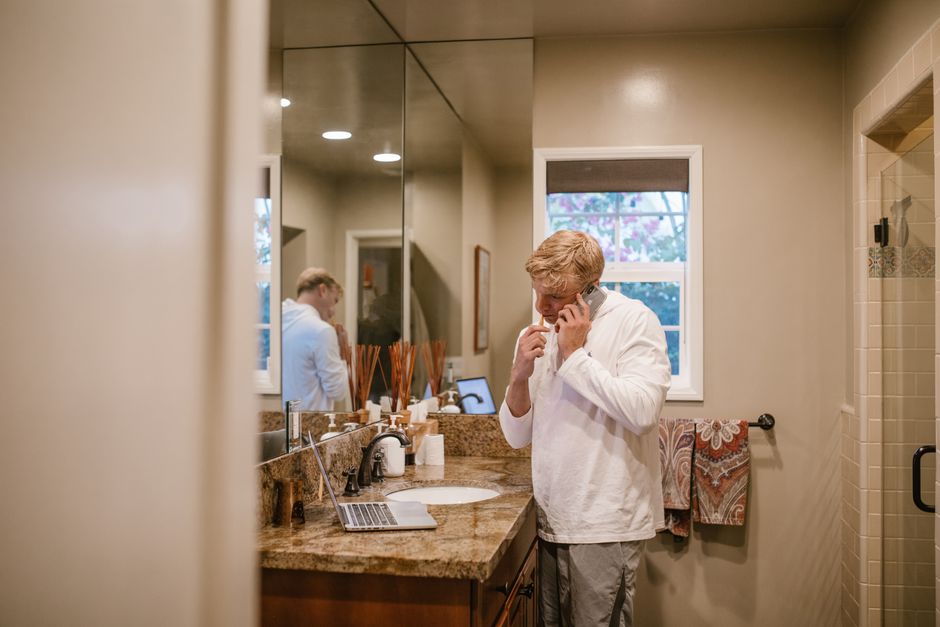
Beating the Danger of Multitasking with Single-Tasking
Switching from constant multitasking to a single-tasking mindset? Yeah, it takes real effort and some smart planning. But trust me, the long-term payoff for your grades and your general well-being is huge. It all starts with just admitting that splitting your attention is really bad for you.
So, kick things off by making your study area totally distraction-free. That could mean shutting off phone notifications, closing browser tabs you don’t need, and letting your roommates or family know when you’re in deep study mode. A calm, tidy space tells your brain, “Okay, it’s focus time.”
How Does Your Environment Affect Your Focus?
Both your physical space and your digital setup hugely impact how well you can focus. A messy desk usually means a messy mind, which makes it tough to zero in on one thing. And those endless digital pings from your devices? They’re total focus killers.
But you can intentionally set up your environment to cut down on outside distractions that tempt you to multitask. Think about using website blockers, putting your phone in another room, and making sure your study spot is comfy and great for deep concentration. A well-thought-out environment just makes single-tasking so much easier.
Self-Awareness: Your Secret Weapon Against Distractions?
Learning to be self-aware is actually super important for spotting that urge to multitask and heading it off. Just notice those moments when your mind starts drifting, or when you feel like you just have to switch tasks. Those are clues that a distraction is lurking, or maybe your brain’s just getting tired.
So, when those urges pop up, take a beat. Then, deliberately pull your attention back to what you were doing. This builds up your mental toughness and helps you stay focused for longer. Seriously, knowing what makes you lose focus is the very first step to beating distractions and getting into that focused work zone.

Are Breaks Really That Important for Single-Tasking?
Yep, absolutely! Smart, planned breaks are incredibly important if you want to keep single-tasking and avoid burning out. Intense focus uses up a ton of mental energy. So, short, recharging breaks let your brain chill out and reset. That makes it way easier to jump back into your work with fresh concentration.
These breaks should be for stuff totally separate from your studies – maybe a quick walk, some stretching, or a few minutes of meditation. Whatever you do, don’t use your breaks to check social media or other distracting things. That’ll just bring back that pesky attention residue. Good breaks are key to keeping up high-quality single-tasking all through your study day.
Frequently Asked Questions
What’s “cognitive switching cost”?
It’s the time and brainpower you lose when your mind jumps from one task to another. This leads to less efficient work and more mistakes.
Can multitasking actually make me more creative?
Some folks say multitasking helps creativity. But most research points to deep, sustained focus – that’s single-tasking – as better for coming up with truly original, big ideas. It lets your brain process things deeper and connect dots.
How long should I single-task during a study session?
It really varies, but a lot of students find success with sessions from 25 to 90 minutes, followed by a quick break. The Pomodoro Technique, for instance, suggests 25-minute bursts.
Can I ever completely stop multitasking?
Eliminating multitasking from every single part of your life might not be realistic. The main goal is to keep it to a minimum during important academic or work tasks where you really need deep focus to do your best.
Will single-tasking make me fall behind with my busy college schedule?
Actually, it’s the opposite! Single-tasking makes you more efficient, helps you understand things better, and improves the quality of your work. So, you’ll often finish tasks more effectively and in less time, letting you get ahead and manage your schedule way better.
I’m always multitasking. How do I even start single-tasking?
Start small. Pick just one 30-minute block each day and dedicate it to single-tasking on your most important assignment. Then, slowly increase how long and how often you do it as you build up your focus and discipline.