Quick answer: Optimizing your diet with specific brain food items is crucial for enhancing memory, focus, and cognitive performance during exam periods. Incorporating nutrient-dense foods like omega-3 rich fish, berries, leafy greens, and whole grains can significantly support brain function, helping students achieve peak academic results in 2026 and beyond.
Key Takeaways
- Omega-3 fatty acids, mainly found in fatty fish, are indispensable for brain structure and neural communication.
- Antioxidants from fruits and vegetables actively protect brain cells from damage caused by stress and free radicals.
- Complex carbohydrates provide a stable, long-lasting energy supply, essential for sustained concentration.
- Maintaining optimal hydration levels is as critical as nutrition for ensuring peak cognitive function.
- Adequate sleep directly impacts memory consolidation and the ability to maintain focus during intense study.
- Strategic meal timing helps stabilize blood sugar and ensures a continuous flow of nutrients to the brain.
- Avoiding processed foods, excessive sugar, and unhealthy fats prevents energy crashes and mental sluggishness.
What is Brain Food, and Why Does it Matter So Much for Exam Success?
When you’re gearing up for exams, your mind’s probably on textbooks and study guides. And that’s totally normal. But here’s a secret: what you eat, especially those specific brain food items, deeply impacts how well your brain works. Fueling your brain with the right nutrients means it’s better at recalling facts, staying focused for hours, and even handling the pressure that comes with test taking. It’s really that simple.
Think about it: your brain, though only about 2% of your body weight, eats up roughly 20% of your body’s total energy. That’s a huge energy demand! So, its performance is incredibly sensitive to the quality and consistency of the fuel you give it. Give your brain premium fuel, and it’ll run at its best. That’s a massive advantage during those tough examination periods in 2026.
Fueling Your Mind: Top Brain Food Categories
Some foods truly stand out for what they do for your brain. Get these into your daily routine, and you’ll build a powerful foundation for sustained cognitive performance. Understanding which specific nutrients offer the biggest bang for your buck empowers you to make smart dietary choices that directly affect your academic results. It’s like giving your brain a superpower boost.
Omega-3 Fatty Acids: Building Blocks for a Smarter Brain
Omega-3 fatty acids, especially DHA (docosahexaenoic acid), are crucial parts of your brain’s cell membranes. They’re vital for neuroplasticity – that’s your brain’s ability to adapt and form new connections, which is essential for learning and memory. And regular intake of these healthy fats doesn’t just improve cognitive function; it can also reduce brain inflammation.
- Fatty Fish: Salmon, mackerel, sardines, and trout are packed with EPA and DHA. Try to eat them at least twice a week. Your brain will thank you.
- Flaxseeds & Chia Seeds: These plant-based options give you ALA (alpha-linolenic acid), which your body can convert into DHA and EPA. Sprinkle them on salads, yogurt, or blend them into smoothies. Easy peasy.
- Walnuts: Shaped a bit like a brain, right? They’re another excellent plant-based source of omega-3s. Plus, they’re a perfect, easy-to-grab study snack.

Antioxidant-Rich Foods: Protecting Your Brain from Stress
Antioxidants are amazing compounds that fight off oxidative stress. That stress can damage brain cells and mess with your thinking. When you’re studying hard and feeling stressed, oxidative stress can ramp up, making antioxidants even more important. They help keep your cells healthy and your neural pathways humming efficiently.
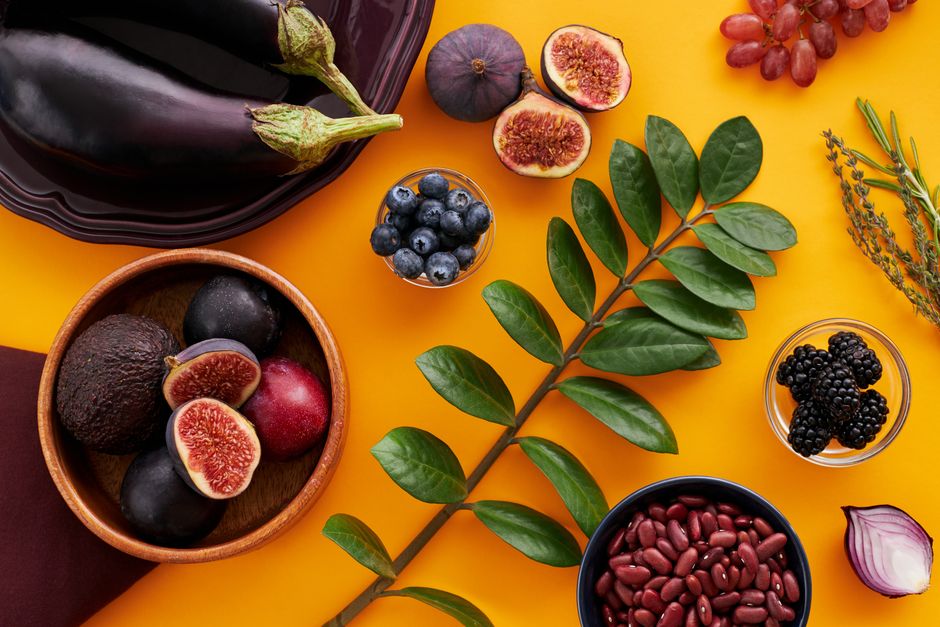
- Berries: Blueberries, strawberries, raspberries, and blackberries are bursting with flavonoids, especially anthocyanins. And good news: these compounds have been linked to better memory and learning.
- Dark Chocolate: Go for high-quality dark chocolate (70% cocoa or higher). It’s got flavonoids and other antioxidants. You’ll also get a bit of caffeine and L-theanine, which can sharpen your alertness and focus without the jitters.
- Leafy Green Vegetables: Think spinach, kale, collard greens, and broccoli. They’re loaded with vitamins K, Lutein, folate, and beta-carotene. These nutrients consistently connect to slower cognitive decline and a stronger memory.
Complex Carbohydrates: Steady Energy for Your Studies
Glucose is what your brain runs on. It’s its main and favorite energy source. So, complex carbohydrates are fantastic because they release glucose slowly and steadily into your bloodstream. No more crazy energy spikes and crashes like you get from simple sugars. This sustained energy is absolutely vital for staying focused during those long study sessions and exams.
- Whole Grains: Oats, brown rice, quinoa, whole-wheat bread, and whole-grain pasta are excellent choices. Their fiber helps regulate glucose release even further, giving you super stable energy.
- Legumes: Lentils, chickpeas, and various beans offer a powerhouse combo of complex carbs, plant-based protein, and fiber. They keep you full and help maintain steady blood sugar.
- Sweet Potatoes: These root veggies are nutrient-dense, rich in complex carbs, vitamins, and minerals. They offer sustained energy and are incredibly versatile in the kitchen.

Vitamins and Minerals: Tiny Nutrients, Huge Brain Power
A whole bunch of different vitamins and minerals play specific, critical roles in how your brain works. If you’re short on these micronutrients, you might find yourself struggling with focus, feeling more tired, and just not thinking as clearly. So, making sure you get enough of them is a big piece of any effective brain food strategy for exam success.
- B Vitamins: You’ll find these in eggs, lean meats, leafy greens, and whole grains. B vitamins (B6, B9, B12) are essential for making neurotransmitters, producing energy, and keeping your nerves healthy.
- Vitamin K: Mostly found in leafy greens like kale, spinach, and broccoli. More and more, Vitamin K is being linked to better memory and overall cognitive function.
- Magnesium: This mineral is involved in over 300 body reactions, including nerve function, muscle contraction, and blood sugar control. Get it from nuts, seeds, dark leafy greens, and dark chocolate.
- Zinc: Important for nerve signaling, a strong immune system, and protecting against oxidative stress. Look for it in nuts, seeds, legumes, and lean meats.
- Iron: Absolutely essential for getting oxygen to your brain. If you’re iron deficient, you’ll feel tired and your cognitive function can suffer. Red meat, lentils, and spinach are great sources.
Beyond Food: Hydration and Lifestyle for a Sharp Brain
Yes, picking the right brain food is super important. But other lifestyle factors also deeply affect how your brain performs under pressure. Things like hydration, enough sleep, and even when you eat your meals all work together. They’re interconnected, and they all play a huge role in your cognitive function and general well-being during intense exam periods. Don’t overlook these; neglecting them can easily undo even your best dietary efforts.
Why Hydration is Key to Thinking Clearly
Even a little bit of dehydration can really mess with your concentration, memory recall, and even your mood. Your brain is about 75% water, after all! So, staying well-hydrated means better blood flow, efficient nutrient delivery to your brain cells, and effective waste removal. Carrying a reusable water bottle and sipping regularly throughout the day is a simple habit, but it makes a profound difference.
Aim for at least eight glasses (about two liters) of water daily. And if you’re studying hard, working out, or it’s hot out, drink even more. Herbal teas and water-rich fruits and veggies (like watermelon and cucumbers) count too. But consciously avoid sugary sodas, energy drinks, and too much fruit juice. They can actually lead to energy crashes and make you more dehydrated.

Sleep: The Secret Weapon for Memory and Focus
Getting enough restorative sleep isn’t just nice; it’s absolutely non-negotiable if you want to remember what you learned and stay focused. When you sleep, your brain actively processes, organizes, and stores all the info you took in during the day, turning short-term memories into lasting knowledge. But chronic sleep deprivation? That can seriously mess up your judgment, slow your reaction time, hurt your problem-solving skills, and skyrocket your stress levels.
Students, make getting 7-9 hours of quality sleep a top priority, especially as exams approach and during the exam period itself. Stick to a consistent sleep schedule, even on weekends. Create a relaxing bedtime routine to tell your body it’s time to wind down. This helps your brain consolidate knowledge efficiently and get ready for new learning, setting you up for success in your 2026 exams.
Strategic Meal Timing: Getting the Most From Your Brain Food
When you eat can be almost as important as what’s on your plate. Spreading out your meals and healthy snacks throughout the day keeps your blood sugar stable. And that means a consistent, uninterrupted energy supply for your brain. Don’t skip meals, especially breakfast. It’s crucial for kickstarting your metabolism and getting your brain fired up for the day.
A well-balanced breakfast with complex carbs and lean protein sets a great tone for your mental performance. And instead of big, heavy meals that can make you sluggish (because your body sends blood to your digestive system), opt for smaller, more frequent ones. A light, nutritious snack about 60-90 minutes before an exam can also give you a timely mental boost without causing any tummy trouble.

Foods to Limit or Avoid During Exam Periods
Just like some foods boost your brain power, others can actually hinder it. Cutting back on or completely avoiding these less-than-ideal items can prevent energy crashes, mental fog, and digestive discomfort. Making conscious, informed choices about what to exclude from your diet is just as important as picking the good stuff for your exam performance.
Sugary Snacks and Drinks: The Energy Rollercoaster
Sure, that sugar rush from candy, sodas, or pastries might give you a temporary burst of alertness. But it’s always followed by an inevitable, sharp energy crash. And then you’re left feeling tired, irritable, and unfocused. Plus, too much sugar contributes to inflammation and can impair your long-term cognitive function. Stick to natural sugars from whole fruits; they come with fiber and other good nutrients.
Highly Processed Foods: Empty Calories, Empty Brain Power
Highly processed foods – think fast food, pre-packaged snacks, and many frozen meals – often lack essential nutrients. They’re usually high in unhealthy trans fats, saturated fats, too much sodium, and artificial ingredients. These things can make you feel sluggish, cause digestive issues, and severely hurt your concentration. Focus on whole, unprocessed foods instead for sustained energy and clear thinking.
Excessive Caffeine and Energy Drinks: A False Alertness
A moderate amount of caffeine, like a cup or two of coffee or tea, can certainly help you feel more alert and focused. But go overboard, especially with those concentrated energy drinks full of sugar and artificial stimulants, and you’re looking at jitters, anxiety, a racing heart, and a massive energy crash later. Worse, too much caffeine can really mess with your sleep patterns, which totally defeats the purpose of studying. So, stick to water, herbal tea, or small, controlled amounts of coffee if you truly need it.
Practical Tips for Incorporating Brain Food into Your Exam Diet
Making these dietary changes doesn’t have to be overwhelming. Small, consistent steps can lead to huge improvements in how you think and feel during exam season. Planning ahead is absolutely key to making sure you have nutritious options ready, even when you’re short on time.
- Meal Prepping: Set aside a little time each week to prepare healthy meals and snacks in advance. This proactive step dramatically reduces the chances of grabbing unhealthy food last minute.
- Smart Snacking: Keep easy-to-grab, brain-boosting snacks like nuts, seeds, whole fruits, and Greek yogurt within arm’s reach. They give you quick, sustained energy without the downsides of processed stuff.
- Hydration Reminders: Use a phone app, set alarms, or just keep a water bottle right on your desk. These reminders help you sip water consistently throughout the day.
- Balanced Plates: For every main meal, aim for a balanced plate. That means a mix of complex carbohydrates, lean protein, and healthy fats. This combo ensures sustained energy and optimal nutrient absorption.
- Listen to Your Body: Pay close attention to how different foods affect your energy levels, mood, and focus. Adjust your diet as needed. Everyone reacts to food a little differently, and that’s okay.
Frequently Asked Questions
What are the best brain foods to eat right before an exam?
Right before an exam, go for easily digestible, complex carbohydrates paired with a small amount of protein or healthy fats. Think oatmeal with a few berries, a slice of whole-grain toast with avocado, or a small handful of walnuts and an apple. These give you steady energy without making you feel sluggish.
Can supplements replace a healthy diet for cognitive performance?
No, supplements can’t fully replace the broad benefits you get from a balanced diet rich in whole foods. While some specific supplements might offer targeted support, whole foods provide a complex mix of synergistic nutrients, fiber, and phytochemicals. And those are essential for really healthy brain function and thinking.
How long does it take for improved dietary choices to show effects on brain function?
You might feel some immediate effects quickly, like better energy and focus from stable blood sugar. But the full, deep benefits of a consistent, healthy diet build up over several weeks and months. Long-term dietary improvements lead to better overall cognitive function, sharper memory, and increased mental resilience. That’s especially important for preparing for your 2026 exams.
Is coffee considered a primary cognitive booster for exams?
In moderation, coffee can definitely boost alertness and focus because of its caffeine. But too much coffee can bring on anxiety, jitters, and disturbed sleep – all terrible for exam performance. It’s best used strategically for a temporary lift, not relied on as your main source for sustained brain function.
What role does gut health play in brain function during exams?
Your gut health significantly impacts how your brain works through something called the gut-brain axis. A healthy gut microbiome, which you can foster with a diet rich in fiber and fermented foods, can actually improve your mood, lower stress, and enhance your cognitive processes – all crucial for exam success. This powerful connection between your gut and brain is still a huge area of scientific research in 2026.
Should I change my diet drastically during exam season?
You really shouldn’t make drastic dietary changes during exam season. They can lead to digestive upset, more stress, and unpredictable energy levels. Instead, focus on making gradual, sustainable improvements. Incorporate more beneficial foods and slowly cut back on unhealthy options. This way, your body adjusts without any added pressure.