
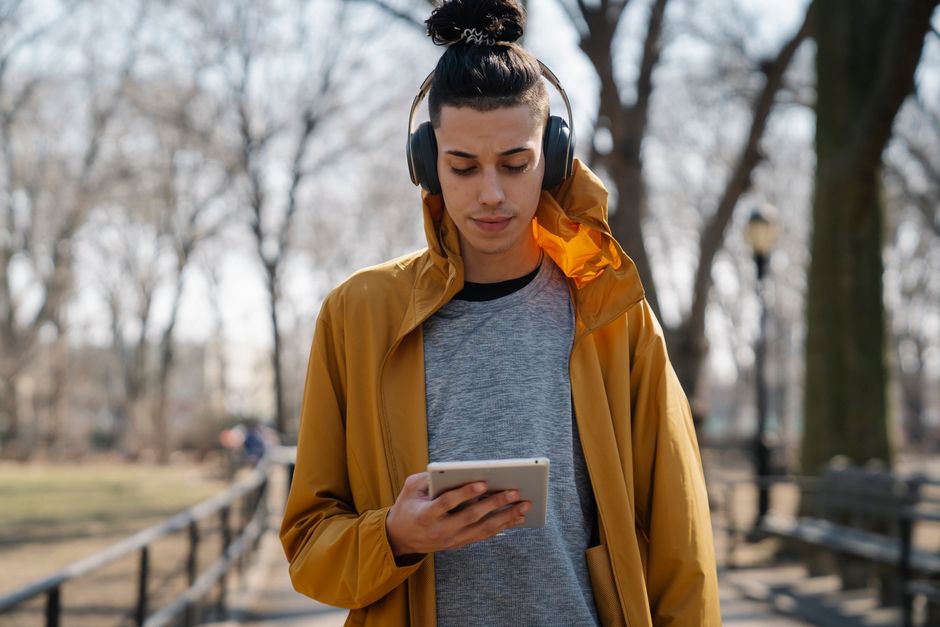
Quick answer: Using smart audio learning hacks helps students and pros make the most of their time. You can digest course content during those otherwise wasted moments, like your daily commute or a simple walk. These methods usually mean turning study materials into audio, setting up a good listening space, and really focusing on the material. Think mental reviews and quick notes. All of it helps you remember and understand more.
Key Takeaways
- Convert traditional study materials into audio formats to utilize passive time.
- Optimize your listening environment to minimize distractions and maximize focus.
- Actively engage with audio content through mental summarization and strategic pauses.
- Leverage spaced repetition techniques with audio to reinforce learning.
- Combine audio study with physical activity to boost cognitive function.
- Choose the right tools and apps to streamline your audio learning process.
Commuting, walking, or just tackling routine tasks often feels like lost time for busy learners. But what if those periods weren’t wasted? What if they were golden opportunities to truly dig into your course material? With some smart audio learning hacks, you can absolutely make it happen. You’ll turn unproductive minutes into valuable study sessions, making your academic or professional journey much more efficient, now and in 2026 and beyond.
Audio learning is flexible. It lets you absorb complex information even when you’re on the move. That’s huge for anyone with a packed schedule. You can keep up with educational content without being stuck at a desk. So yeah, every moment can count toward your learning goals.
Why Get into Audio Learning Hacks for Your Studies?
Adopting audio learning hacks is a seriously effective way to seize your time. This method taps into your auditory sense, which works wonders for many people, especially when you can’t actually see what you’re studying. And it opens up brand new ways to consistently get your brain on your course content.
Our brains are wired to process sound. So listening over and over can really solidify memory pathways. For example, hearing tricky concepts repeatedly helps you recall and understand them better. You’re turning passive activities into active learning. That’s because this method really uses your brain’s knack for learning through repetition.
What are the Cognitive Benefits of Auditory Input?
Listening uses different parts of your brain than just reading does. For some, that often means better memory. And this multi-modal approach can actually strengthen the neural connections for what you’re learning. Plus, listening might just help you focus, especially if you find it tough to keep reading for long stretches.
Research consistently shows that when you mix different ways of learning, you understand things deeper and remember them better. When your ears are involved, your brain processes information uniquely. It complements and reinforces what you’ve already read or seen. This integrated approach really makes for a more robust learning experience.
How Can Audio Learning Boost Time Management?
Audio learning takes those unproductive chunks of your day and turns them into solid study time. Instead of just getting through your commute, you can actually engage with lectures, summaries, or flashcards. This bumps up your daily academic output without needing extra study blocks.
But it also vastly improves your time management because you can multitask. Listen to challenging material while you exercise, do chores, or wait in line. You’re fitting learning right into the natural rhythm of your day. It’s a super-efficient way to stay on top of demanding course loads.

Essential Audio Learning Hacks for Effective Content Absorption
To really get the most out of audio learning, you can’t just press play; you need a plan. These essential audio learning hacks turn casual listening into active engagement. They help you absorb and retain information better. You want every minute to count, right?
Using these techniques won’t just make your commutes and walks more productive. They’ll also deepen your understanding of complex subjects. From getting ready before you listen to reviewing afterwards, each step matters. This complete approach ensures you get the most out of every audio session.
How Do You Convert Course Materials into Audio?
Turning your study materials into audio is the very first step. And it’s a big one. Plenty of tools and techniques exist to transform your text into something listenable. This prep work is crucial for building your own personalized audio curriculum.
Got written notes or textbooks? Use text-to-speech (TTS) software. It can read digital documents aloud in a clear, synthesized voice. You’ve got good options out there, like natural-sounding AI voices built into web browsers, dedicated apps, or even your operating system. So you can simply “listen” to your readings.
Or, record yourself! Read your own summaries, flashcards, or key concepts. This active process of speaking and then hearing yourself really helps the material stick. Plus, you can add your own emphasis and set your own pace. Making your own audio content can be an incredibly powerful learning tool; it helps you both put information in and pull it back out later.
For lectures, always try to get recordings from your instructors if you can. If not, consider using a voice recorder on your smartphone during live classes (with permission, of course) to capture the lessons. You can review them later. High-quality lecture recordings are a lifesaver for revisiting complex topics and clarifying tricky details.
What is the Best Way to Optimize Your Listening Environment?
Getting your listening environment just right is super important for effective audio learning. Distractions can totally wreck your comprehension, turning valuable study time into just background noise. So, think carefully about your surroundings; it’ll help you focus better and remember more.
Invest in good noise-canceling headphones. They’re vital for blocking out all that ambient sound — traffic, public transport, crowded spaces. They create a little sound bubble just for you, letting your mind really concentrate on the spoken content. And good audio quality means less listener fatigue, too.
Whenever you can, pick quieter routes for your walks or less crowded sections of public transit. While those noise-canceling headphones are great, a naturally calmer environment will always lighten the mental load required to focus. Aim for serene parks or side streets when you’re studying on foot.
And if you’re using audio learning at home, even during routine tasks, minimize other sensory inputs. Turn off the TV, silence notifications, and tell your family you need to concentrate. A dedicated mental space, even when you’re physically moving, really does improve learning outcomes.
How Can You Actively Engage with Audio Content?
Passive listening just doesn’t cut it. Active engagement is absolutely critical for successful audio learning. That means more than just hearing the words; it means deliberately processing them in your head. So, make your ears into tools for critical analysis and deeper understanding.
Try mentally summarizing sections of the audio every few minutes, or right after a key concept pops up. Pause the recording briefly. Articulate what you’ve just heard in your own words. This self-explanation technique is incredibly effective for solidifying new information and spotting areas where you’re still confused.
Ask yourself questions as you listen. If the speaker poses a question, try to answer it before they give the solution. If the material presents a problem, think about how you might approach it. This proactive questioning keeps your brain alert and deeply involved with the content.
Take short, strategic mental notes. Or, grab a voice recorder to capture your own thoughts and connections. Don’t try to write down everything; instead, focus on the main ideas, any challenging bits, or new insights that hit you. This internal dialogue transforms listening into a really dynamic learning process.

Advanced Audio Learning Hacks for Enhanced Retention
Once you’ve got the basics down, advanced audio learning hacks can seriously supercharge your retention and help you master even complex subjects. These aren’t just about listening; they bring in cognitive science principles to optimize how your brain takes in and stores information. They build right on that foundation of active engagement.
Using these advanced strategies means you’ll move past just understanding the material. You’ll truly internalize it. The goal? To create strong, lasting memory traces that you can effortlessly pull up when you need them. And that level of optimization makes a huge difference in your academic performance and how much you learn.
What is Spaced Repetition and How Does It Apply to Audio Learning?
Spaced repetition is a fantastic learning technique: you review material at ever-increasing intervals. And guess what? It’s perfect for audio learning. This method really helps your memory recall by showing you information right before you’re about to forget it. It’s a super-efficient way to move knowledge from your short-term memory into your long-term memory.
Make separate audio files for topics you find particularly tough or things you tend to forget. Listen to these specific audio segments repeatedly, but not all at once. Instead, set up listening sessions at progressively longer intervals. Think day 1, then day 3, day 7, day 14, and so on. This smart scheduling reinforces your learning without burning you out.
You can also use spaced repetition apps (like Anki). Here, you manually put in audio clips of definitions, explanations, or questions. The app then figures out when you should listen to them again based on how well you remember them. This automates the spacing effect, making it much easier to handle your review sessions.
How Can You Combine Audio Study with Physical Activity?
Mixing audio study with physical activity is an awesome way to boost both your body and your brain. This combo creates an ideal learning state, sharpening your focus and helping you remember more. It’s a prime example of effective audio learning hacks.
Regular aerobic exercise — like walking, jogging, or cycling — sends more blood to your brain. That, in turn, improves cognitive functions: attention, memory, problem-solving. So, listening to challenging course material while you’re doing these activities can make your learning even better. Your brain is just primed to absorb new stuff.
The rhythmic motion of walking can also help some people get into a highly focused state. That makes it easier to concentrate on complex audio content. It’s like “walking meditation” for learning; it cuts through mental clutter and makes things clearer. And it turns a simple walk into a really productive study session.
But when you’re combining these activities, always put safety first. Choose well-lit, familiar paths if you’re walking or running. Stay aware of your surroundings. Keep the audio volume at a level where you can still hear important environmental cues. The goal is productive learning, not getting distracted from your environment.

Tools and Strategies for Seamless Audio Integration
To smoothly fold audio into your study routine, you’ll need the right tools and a solid strategy. Today’s tech offers tons of ways to convert, manage, and listen to audio content efficiently. Picking the right stuff can really simplify your learning process.
From powerful text-to-speech apps to clever playlist management, these strategies ensure your audio learning experience is as smooth as possible. The idea is to reduce technical headaches so you can spend more time actually learning. A smart setup frees your mind to just focus on the material.
Which Apps and Devices Are Best for Audio Learning?
Choosing the right apps and devices can seriously change your audio learning experience. The market has all sorts of solutions for different needs, all built to make things accessible and easy to use. Pick wisely, and you’ll get the best listening quality and content management.
For text-to-speech, apps like Voice Dream Reader (iOS/Android) or Speechify are fantastic. They offer high-quality, natural-sounding voices and robust features like speed control, highlighting, and cloud integration. Lots of modern e-readers and even web browsers (like Edge’s Read Aloud) have built-in TTS, too. These tools make converting PDFs, web pages, and documents into listenable files simple.
Portable MP3 players or your smartphone are perfect for listening to audio content on the go. Just make sure your device has enough storage for all your lectures and converted texts. Think about models with long battery life, especially if you have long commutes or study walks. And wireless earbuds or headphones give you maximum freedom to move.
Podcast players (e.g., Pocket Casts, Overcast) can also be tweaked for educational audio. You can organize your own recordings or TTS files as “podcasts.” These apps often include variable playback speed, chapter markers, and offline listening – all incredibly useful for studying. So use those features to customize your listening experience.
How Can You Create a Smart Audio Learning Playlist?
Making a smart audio learning playlist is absolutely essential for keeping your material organized and staying focused. A well-built playlist ensures information flows logically and helps prevent mental fatigue. This strategy is another one of those crucial audio learning hacks.
Group related topics together in one playlist. For example, all lectures and readings about “Module 3: Organic Chemistry” should be in sequence. This contextual grouping helps concepts connect in your mind and builds a stronger understanding. Don’t mix wildly different subjects within one listening session.
And try to sprinkle challenging material with some lighter review content or short summaries. This helps you manage your cognitive load and avoids burnout. After a really dense lecture, for instance, follow it with a quick audio flashcard session or a short recording of key definitions. It gives you a mental break but you’re still learning.
Vary the format within your playlist, too. Mix recordings of yourself explaining concepts, professional TTS readings of textbooks, and even relevant educational podcasts or interviews. This variety keeps your brain engaged and appeals to different ways of taking in information. That kind of diversity makes your learning more effective overall.
Update and refine your playlists regularly based on what you need to learn right now and where you’re struggling. As you master certain topics, pull them from frequent rotation and add new material. A dynamic playlist means you’re always focusing on what’s most relevant and helpful. This adaptive approach helps you study as efficiently as possible.

Maximizing Your Audio Learning Potential
To truly get the most out of audio learning, you really need a holistic approach. That means weaving these hacks into a consistent routine. It’s not just about what you listen to, but how you listen and how you reinforce that learning. The big goal is long-term knowledge retention and mastery.
Try to set up dedicated “audio learning zones” in your day. Maybe it’s your morning commute. Or your evening walk. Consistency builds habits, and habits make learning feel effortless. This dedication ensures that audio learning becomes a regular, productive part of your life.
Always assess how much you’re actually understanding. After a listening session, take a few moments. Jot down mentally or physically the key points you remember. If you’re struggling, just revisit the audio. This self-assessment loop is really important for spotting gaps in your understanding and making sure you’re learning effectively. It closes the feedback loop in your study process.
Frequently Asked Questions
What if I find audio learning distracting?
If audio learning distracts you, make sure you’re using good noise-canceling headphones and a quiet environment. Start with shorter listening sessions, and focus on material you genuinely find engaging.
Can audio learning replace traditional reading?
Audio learning is a powerful tool, but it probably won’t completely replace traditional reading. Especially for really visual or complex technical material. It works best as a way to back up and review content.
How fast should I play the audio?
Start with a comfortable speed, maybe 1x or 1.25x. Then, as you get better at understanding, gradually speed it up. Many people can comfortably listen at 1.5x or 2x once they’re used to it, which really boosts efficiency.
Is it okay to multitask while listening to course content?
Yes, but stick to “low-cognitive-load” tasks. Think walking, commuting, or chores. Avoid anything that demands a lot of mental focus, because that will definitely pull away from effective learning and comprehension.
How do I remember what I hear?
To remember what you hear, you need to actively engage. Pause to summarize, ask yourself questions, and connect new information to what you already know. And use spaced repetition; it’s great for reinforcement.
What if my course material isn’t available in audio?
If your course material isn’t already in audio, just convert it yourself! Use text-to-speech software, or record yourself reading key summaries and notes. Taking that step creates your own personalized audio content.