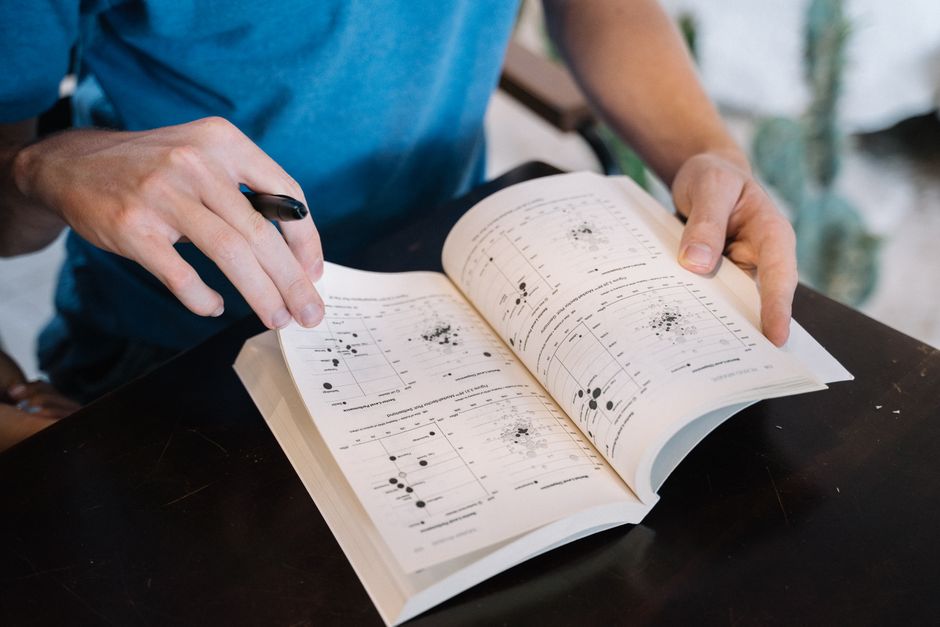
Quick answer: To really transition from passive textbook reading, you’ve got to move past just soaking up information. Instead, actively grapple with it. Using techniques like retrieval practice, elaborative interrogation, and self-explanation helps you understand things way better. It also makes sure that what you learn sticks around for good, ready for any test.
Key Takeaways
- Passive reading—you know, just rereading and highlighting without really thinking—doesn’t help much for remembering things long-term.
- Active learning? That’s when you actually do something with the material, turning simple reading into real thinking and using what you learn.
- Retrieval practice, like self-quizzing or using flashcards, is a super effective way to make memories stronger.
- Elaborative interrogation and self-explanation help you link new stuff to what you already know, which means deeper understanding.
- Spaced repetition and active testing are key to cementing what you’ve learned and getting ready for exams.
- You can dramatically improve your academic performance by 2026 just by slowly adding these active strategies to your study routine.
Why Bother to Transition from Passive Textbook Reading?
Lots of students just read through their textbooks, maybe highlighting a few sentences as they go. We call this “passive textbook reading,” and it often makes you feel like you get it, but you really don’t. It’s a false sense of familiarity, not true understanding.
You might feel like you understand the material while you’re reading. But try to remember facts or apply those concepts later? The knowledge just isn’t there. And that shallow understanding? It’ll absolutely kill your grades and stop you from truly growing intellectually.
Studying isn’t just about understanding stuff; it’s about remembering it and actually using it. If you don’t actively try to move past those passive methods, you’ll probably end up frustrated and unprepared for tests or real-world situations.
So, becoming an active learner really changes how you take in and use information. It makes your study time productive, helps you learn deeply, and gets you better results, no matter what you’re studying.

What Does Passive Textbook Reading Actually Mean?
Passive textbook reading means you’re not really thinking hard. It’s all about things like rereading chapters over and over, just underlining or highlighting, or simply listening to lectures without jotting down proper notes.
These things? They give you a fake sense of learning. Your brain might recognize the words, making you feel smart, but it hasn’t actually stored that knowledge deeply enough to remember or use it later.
Take highlighting, for example. Often, you’re just coloring words, not really thinking about why they’re important. And rereading? It feels good because the stuff looks familiar. Yet, it almost never makes your brain actually pull out or put together that information.
Spotting these passive habits is the first step. You can then consciously pick better strategies, ones that demand more mental effort but give you much better learning results.
How to Really Transition from Passive Textbook Reading to Active Learning
Switching from passive to active learning means you’ve got to totally change how you think about studying and how you actually do it. You’re moving from just consuming information to producing it—always generating questions, putting things together, and making sense of it.
This won’t happen overnight, but it will if you consistently use tried-and-true methods. The main thing? Get your brain to recall information, not just recognize it.
What is retrieval practice?
Retrieval practice? It’s literally pulling information out of your brain without looking at your notes or textbook. This process makes your memories stronger and helps you remember things for ages. Honestly, it’s one of the best study strategies out there.
You can do it by creating flashcards and testing yourself, answering questions at the end of chapters, or simply closing your book and trying to summarize what you’ve just read in your own words. That effort? It’s exactly what makes it work so well.
How does elaborative interrogation work?
Elaborative interrogation means you just ask “why” and “how” about what you’re learning. For instance, don’t just memorize a fact. Ask yourself, “Why is this true?” or “How does this concept connect to what I already know?”
It makes you link new ideas to what you already know, building a much richer, more connected understanding. You won’t just know the facts; you’ll really get the concepts.
What is self-explanation?
Self-explanation is when you articulate your understanding of a topic to yourself, as if you were teaching it to someone else. When you find a new concept, just pause and explain it aloud or write it down in your own words.
This really shows you where you’re confused and clears up tough ideas. And your brain really kicks into gear, making sense of the information instead of just letting it wash over you.
Can the SQ3R method help?
The SQ3R method is a structured way to read actively: Survey, Question, Read, Recite, and Review. This step-by-step process helps you really dig into text, and do it efficiently.
You start by surveying the chapter, then you make up questions. Next, you read to find the answers, recite those answers in your own words, and finally, you review the whole thing. It’s an excellent framework, especially for those trying to transition from passive textbook reading to truly active engagement.
What Strategies Boost Retention Once You’ve Made the Transition from Passive Textbook Reading?
So, you’ve jumped into active learning. Now, focusing on specific retention strategies will really cement that knowledge. These methods make sure all that hard work you’re putting into active study actually turns into long-term memories and understanding you can easily access.
Remembering things well isn’t just about how much you study, but how well you engage with it. Stick with these techniques, and you’ll seriously boost your learning results well into 2026 and beyond.
Why is spaced repetition vital?
Spaced repetition means you review material at increasingly longer intervals. Instead of cramming, you hit that information again right when you’re about to forget it. And that dramatically strengthens how your brain stores it.
Apps like Anki or Quizlet even have algorithms that figure out the best review times for you. This smart timing beats just rereading notes over and over, and it’s a foundation for remembering things long-term.
How can active testing reinforce knowledge?
Active testing is more than just simple retrieval practice. It means you simulate real exam conditions to truly test your understanding and how you apply what you know. That includes working through practice problems, doing past papers, or tackling essay questions all on your own.
Generating answers when you’re under the gun helps you spot weak spots and solidifies what you know. It gives you instant feedback on what’s clicking and what still needs work, so it’s absolutely vital for prepping for exams.
Is the Feynman Technique effective for complex topics?
The Feynman Technique is a fantastic mental model for truly understanding and explaining tough subjects. It has four steps: pick a concept, teach it to a pretend 12-year-old, find the holes in your explanation, and then go back, review, and simplify.
This method makes you break down complex ideas into their absolute simplest parts, showing you exactly where your understanding is shaky. It’s a brilliant way to make sure you actually get a topic, not just memorize its vocabulary.

How to Actually Fit These Active Strategies Into Your Study Routine
You don’t have to completely change your schedule overnight to fit in active learning strategies. Just start small. Block out specific times for these techniques, then slowly use them more often. Being consistent matters more than how intense you are.
Say, after you read a chapter, spend 10-15 minutes actively trying to remember the main points before you do anything else. Then, slowly make your active study sessions longer and tougher.
Use time blocking in your study schedule—set aside specific blocks just for “retrieval practice” or “self-explanation.” And make sure your study spot has minimal distractions, so you can really focus and engage.
What are common pitfalls to avoid?
Don’t fall into the trap of over-highlighting; it makes you feel productive but doesn’t actually teach you anything. Another common mistake is feeling overwhelmed by all the techniques. Just pick one or two, master them, then add more.
Also, don’t skip tracking your progress. Without real measurements, like practice test scores or how well you recall information, you won’t know if your new methods are even working. Be patient with yourself. These are new habits, and they take time to build.
Measuring Your Progress and Staying Motivated After the Transition from Passive Textbook Reading
To really nail the transition from passive textbook reading, you have to track your progress. Watch your scores on practice quizzes, assignments, and mock exams. See if you’re consistently getting better at remembering and understanding.
Keep a journal of your study sessions. Jot down which active strategies you used and how effective they felt to you. Seeing real proof of your learning can be a huge motivator.
Celebrate the small wins. Like explaining a tough concept perfectly, or acing a self-test. That positive reinforcement will push you to keep using these smart study habits.
Learning’s a marathon, not a sprint, remember? So, consistent, active effort will get you the best results over time. It’ll make your academic journey way more rewarding and efficient.

Frequently Asked Questions
Is passive reading ever useful?
Sure, it can be useful for getting a quick overview, or just for pleasure reading. But for really understanding and remembering stuff you need for school? It’s just not enough on its own.
How long should active study sessions be?
You’ll get the most out of active study sessions if you keep them focused—think 25-50 minutes, then a short break. That’s actually how the Pomodoro Technique works, and it really helps you stay concentrated and avoid burnout.
What if I don’t have time for all these techniques?
Just pick one or two active strategies and sneak them into your current routine, even if it’s just for a few minutes. And make retrieval practice your priority; it gives you the biggest bang for your buck when it comes to remembering things better.
How do I choose the best technique for a specific subject?
It really depends on the subject and how you learn best. For factual stuff, retrieval practice and flashcards are amazing. For conceptual subjects, though, elaborative interrogation, self-explanation, and the Feynman Technique really shine.
Can active learning reduce study time?
At first, active learning might feel like more work. But honestly, it often cuts down your total study time because you learn more effectively and remember things longer. That means way less endless rereading and cramming.