
Quick answer: Learning effective dorm room plant care is key to creating a vibrant living space. And it’s a stepping stone to a great side hustle. Good with plants? You’re already set to offer pet-sitting services, turning weekend downtime into reliable income with minimal stress.
Key Takeaways
- Effective dorm room plant care enhances your living space and well-being.
- Low-maintenance plants like snake plants and pothos are ideal for busy student schedules.
- Proper watering techniques and light assessment are crucial for plant survival in dorms.
- Offering pet-sitting services leverages your caregiving skills for additional income.
- Combining plant care and pet-sitting can create a unique and appealing service package for busy faculty and off-campus residents.
- Marketing your services effectively on campus can ensure a steady stream of clients.
Why Is Dorm Room Plant Care So Popular in 2026?
Dorm room plant care is still huge in 2026. It’s like a green escape from all that academic pressure. These little living things turn boring dorms into cozy, personalized spaces. But it’s not just about looks. Plants actually clean the air, and they can really boost your mood, cut down on stress, and help you focus when you’re studying.
What are the best low-maintenance plants for a dorm room?
The best low-maintenance plants for a dorm? They’re the tough ones, the kind that don’t mind if the light’s a bit off or you forget to water them for a bit. Take snake plants (Sansevieria trifasciata), for instance. They actually thrive on neglect. You can forget to water them for ages, and they’re totally fine. Perfect for busy students.
Pothos (Epipremnum aureum) are super forgiving too. Low light? No problem. They’ll even tell you when they’re thirsty by drooping their leaves – and they bounce right back after a good drink. ZZ plants (Zamioculcas zamiifolia) are awesome. They store water in their rhizomes, so they can go weeks without you even looking at them. Spider plants (Chlorophytum comosum) are popular as well. They pop out little “plantlets” that are fun to propagate and share with friends. Succulents, like Echeveria or Haworthia, barely need any water. But they do want bright, direct light, so save ’em for your sunniest windowsill.
So, when you’re picking plants, think about your dorm’s light. A north-facing window gives you low, indirect light. A south-facing one? That’s bright, direct sun. Getting the right plant for the right spot is your first big step to nailing dorm room plant care.
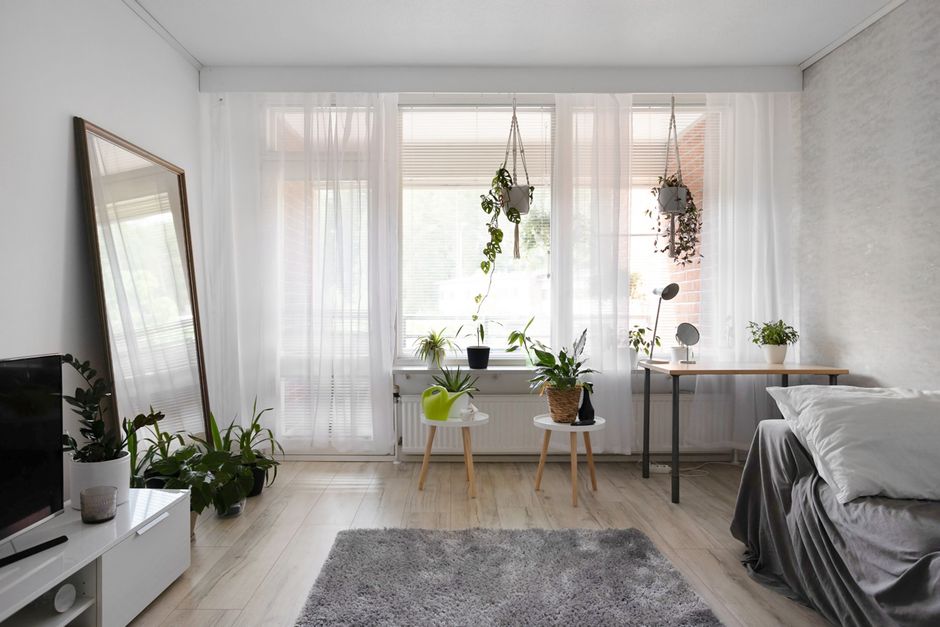
Essential Dorm Room Plant Care Tips for Beginners
Good dorm room plant care starts with understanding a few basic needs: light, water, and proper drainage. Even the toughest plants won’t survive if you ignore these fundamentals. Consistency, even if it’s just once in a while, is key to keeping your green friends happy.
How much light do dorm plants need?
Most dorm plants do best with bright, indirect light. That means they should be near a window, but not sitting directly in harsh, scorching sunlight. Direct sun can totally burn leaves, especially for tropical varieties. If your dorm room is pretty dark, think about grabbing a small LED grow light. Even a cheap one can make a huge difference in how healthy your plant is and how much it grows. Try rotating your plants every week, too. That way, all sides get enough light and grow evenly.
What’s the best watering schedule for dorm plants?
You shouldn’t water your dorm plants by the calendar. Instead, check the plant’s needs and how dry the soil feels. A good rule of thumb is to water when the top inch or two of soil feels dry to the touch. Overwatering is probably the biggest killer of houseplants – it leads to nasty root rot. So, make sure your pots have drainage holes, and always dump out any extra water from the saucer after about 15-20 minutes. You don’t want roots sitting in stagnant water.
Underwatering, on the other hand, usually shows up as droopy leaves or crispy edges. And here’s a secret: it’s often way easier to bring an underwatered plant back to life than an overwatered one. For convenience, especially during crazy exam periods, you might want to look into self-watering planters or moisture meters. Knowing your plant’s specific quirks – like if it likes consistently moist soil or needs a good dry-out period – will make your dorm room plant care so much better.
Turning Your Green Thumb into Greenbacks: Pet-Sitting Services
That careful approach you take to dorm room plant care? It shows you’re responsible and pay attention to detail. Those are exactly the qualities people look for in a pet sitter. And that translates directly into a profitable side hustle for you. It’s flexible work that fits right into a student’s schedule. Lots of professors, staff, and folks who live nearby need reliable pet care, especially on weekends or during school breaks.
How can I offer pet-sitting services on campus?
Want to offer pet-sitting services on campus? Start by making a simple but professional flyer. Include your services, rates, and when you’re available. Stick these flyers up on campus bulletin boards, in common areas, and near administrative offices. And don’t forget campus social media groups or online forums; those are great for advertising directly to students and faculty. Word-of-mouth is incredibly powerful, so ask happy clients to recommend you.
Think about offering a few different services: daily check-ins, dog walking, overnight stays (if you can swing it in your living situation, or for off-campus clients), and even basic pet grooming like brushing. Be clear about your experience, even if it’s just taking care of your family pets. And really emphasize how reliable you are. If you know basic pet first-aid or have certifications, that can seriously boost your appeal and let you charge more.
What are the common challenges of pet-sitting in dorms?
Okay, here’s the big one: most university policies strictly say no pets in dorms, unless they’re service animals. That means you’ll mostly be pet-sitting for faculty, staff, or off-campus students who live in places that allow pets. You might need to travel to their homes, which means you’ll need reliable transportation. Or you can focus on things like dog walking or daily drop-in visits that don’t involve bringing the pet back to your dorm.
Another challenge is balancing pet-sitting with your school work. Weekends and evenings are prime pet-care times, but they’re also crucial study periods. You’ll need solid time management skills and clear communication with clients about your availability. Always, always do a meet-and-greet with the pet and owner beforehand. That way, you can make sure it’s a good fit and really understand the pet’s specific needs and routines, including any special diets or medications.

Advanced Dorm Room Plant Care for Thriving Greenery
Once you’ve got the basics down, pushing your dorm room plant care skills further can lead to some truly amazing greenery. This means knowing when to repot, how to handle common pests, and even how to propagate new plants. These advanced tricks don’t just keep your plants healthier; they also show you’ve got a real dedication to them.
When should I repot my dorm room plants?
You should repot your dorm room plants when they get “root-bound.” That’s when their roots are circling the bottom of the pot or even growing out of the drainage holes. Other clues include slow growth, the soil drying out super fast, or the plant looking top-heavy. Generally, most houseplants benefit from repotting every one to two years. Spring or early summer is ideal, since that’s when they’re actively growing.
When you repot, pick a pot only one size bigger than the old one. This helps prevent overwatering. Use fresh, well-draining potting mix that’s right for your plant. Gently pull the plant out of its old pot, loosen up any circling roots, and set it into the new pot. Then fill with soil. Water it really well after repotting; that helps settle the soil and reduces transplant shock. This simple step can totally revitalize a struggling plant and get new growth going.
What are common dorm plant pests and how do I treat them?
You’ll probably run into a few common dorm plant pests: spider mites, fungus gnats, and mealybugs. Spider mites are tiny little creatures that make fine webs and cause stippling on leaves. You can usually get rid of them by wiping leaves with a damp cloth or spraying them with insecticidal soap. Fungus gnats are small, mosquito-like bugs that hover around the soil. They’re usually a sign you’re overwatering. Just let the soil dry out more between waterings, and use sticky traps to control them.
Mealybugs are soft-bodied insects that look like white, cottony blobs in leaf corners or underneath leaves. Dab them directly with a cotton swab dipped in rubbing alcohol. Always isolate an infested plant immediately, okay? You don’t want those pests spreading to your other plants. Checking your plants regularly, especially the undersides of leaves, helps you catch infestations early before they get out of control. Consistent care is really your best defense against pests.

Maximizing Your Income: Combining Plant Care and Pet-Sitting
Offering both dorm room plant care services and pet-sitting? That’s a super appealing package for clients. This dual service is perfect for busy people who need reliable care for both their furry friends and their beloved houseplants. It makes you a one-stop shop for home care. And this integrated approach can mean higher rates and build long-term relationships with clients.
How can I market my combined services effectively?
To really market your combined services, focus on the convenience and peace of mind you offer. Create a business name that covers both, something like “Green Paws & Plants Care” or “Campus Critter & Crop Sitters.” Design a cool digital brochure or social media post that shows off happy pets and healthy plants. Emphasize your dual expertise! And be sure to share testimonials from happy clients who’ve used you for both their pets and plants.
Offer bundled packages, too. How about a “Weekend Pet & Plant Protector” that includes daily pet visits and plant watering for one flat rate? Use campus events, club meetings, and departmental notice boards to get the word out. Networking with local vets or pet supply stores can also send you valuable referrals. Think about offering a “new client” discount or a referral bonus to get those first bookings and really grow your client base fast in 2026.
What safety measures should I take for pet-sitting?
Taking proper safety measures for pet-sitting is absolutely vital, both for your own well-being and for the pets you’re caring for. Always do a thorough meet-and-greet with the pet and owner, either in public or at the client’s home, before you even agree to a job. Ask for emergency contact info, the vet’s details, and any specific behavioral quirks or medical issues the pet has. Clearly spell out your responsibilities and limits in a simple agreement or contract.
Make sure you have a secure way to get in and out of the client’s home, whether it’s a key or a code, and confirm how they want you to lock up. Always have your phone for emergencies, and let a trusted friend or family member know your schedule and where you’ll be when you’re pet-sitting, especially for overnight stays. Prioritize the pet’s safety by securing gates, checking for anything hazardous, and always keeping dogs on a leash during walks. Your professionalism and commitment to safety will really build trust and loyalty with your clients.

Frequently Asked Questions
Can I really make significant money with dorm room plant care and pet-sitting?
Yes, you can absolutely make serious money. Lots of students pull in hundreds of dollars each month with these services, especially during busy travel times like holidays or academic breaks in 2026. Pet-sitting rates often run from $20-$50 per visit or $60-$100 for an overnight stay, while plant care can add another $10-$30 per visit, depending on how many plants you’re tending to.
What plants are safest for homes with pets?
Plants generally considered safe for homes with pets include spider plants, prayer plants, Boston ferns, and some types of palms, like the Areca palm. But always double-check if a specific plant is toxic to pets before bringing it into a pet-owner’s home, especially if the pet is known for munching on leaves.
Do I need insurance to offer pet-sitting services?
While it’s not strictly required for small operations, getting pet-sitting insurance is highly recommended. It protects you from liability if there’s an accident or injury to the pet, or damage to property. Many professional pet sitters see it as a crucial investment for peace of mind and building client trust.
How do I set competitive prices for my services?
Look into what other pet sitters and plant care services in your local area or on campus are charging. Factor in your experience, what services you’re offering, and any special skills you have. Offering different packages (like basic, standard, premium) can also help you appeal to different budgets and boost your earnings.
What if I encounter a plant or pet emergency while on the job?
Always have the client’s emergency contact info, vet details, and clear instructions for emergencies right at hand. For plants, know when to water, fertilize, and how to spot distress. For pets, contact the owner immediately, and if needed, the emergency vet, following any pre-discussed plans.