
Quick answer: The leitner box revision system is a super effective, low-tech way to master information. You use physical flashcards, spaced repetition, and active recall. The system moves cards between boxes based on whether you remember the answer. Tougher cards come up more often, and easy ones less, which really helps your long-term memory. It’s a solid strategy for students and learners, even in 2026.
Key Takeaways
- The Leitner Box system uses spaced repetition to really boost your memory.
- It sorts flashcards into physical boxes, each for a different level of mastery.
- Correct answers move cards forward; wrong ones send them back. This helps you study smarter.
- This method really cuts down study time because it makes you focus on the tricky stuff.
- It’s still a powerful learning tool in 2026, even with all the digital apps out there.
- But you’ve gotta use it every day to get the most out of your learning.
What is the Leitner Box Revision System and How Does it Work?
The leitner box revision system is a simple, low-tech way to master information using physical flashcards. It uses spaced repetition and active recall. German science journalist Sebastian Leitner came up with it in the 1970s. This system helps you learn better because it makes sure you spend more time on the tough stuff and less on what you already know.
Basically, the system uses a set of physical boxes, usually three to five. Each box represents how well you know certain information. You sort flashcards – with a question or term on one side and the answer or definition on the other – into these boxes. It all depends on how well you can remember what’s on them.
But here’s the clever part: it’s all about how cards move through the system. Say you review a flashcard and get it right. Great! It moves to the next box, showing you’ve got it down better. But if you answer incorrectly? That card goes right back to the first box, meaning it needs more practice.
This simple but powerful method fits right in with how spaced repetition works. As you know something better, the time between reviews gets longer. And it forces you to actively recall information. That’s a way better learning strategy than just re-reading notes. It really builds strong memories.
How Does the Leitner Box Revision System Optimize Your Learning Process?
So, why is the leitner box revision system so effective? Well, it uses smart ideas from cognitive science. It’s not just for sorting cards, though; it really fine-tunes your review schedule so you remember things for the long haul.
For one, the system naturally pushes you toward active recall. Instead of just staring at your notes, you’re actually pulling information out of your brain. This process, sometimes called the ‘testing effect,’ is a huge deal in how we understand learning. It boosts your memory way more than other study methods.
Secondly, it really nails spaced repetition. You review cards in Box 1 every day. Cards in Box 2? Every few days. And cards in later boxes get longer and longer breaks. That way, you hit the info again right when you’re about to forget it, locking it into your long-term memory. No wasted time on stuff you already know.
Thirdly, the Leitner Box cuts down on mental clutter. It makes your study sessions smoother by focusing on what truly needs work. You won’t feel overwhelmed trying to review everything daily. Instead, it smartly guides your focus to your weak spots. So, your study sessions are way more efficient and less stressful.

This organized method helps you spot and fix what you don’t know. You get instant feedback on your knowledge, letting you quickly adjust how you study. School and work in 2026 demand real understanding and smart learning. That’s why the Leitner Box is still such a valuable tool for everyone.
Setting Up Your Personal Leitner Box Revision System
Getting started with a leitner box revision system is pretty easy and doesn’t need much stuff. But that first setup is key to getting a good, steady study habit going.
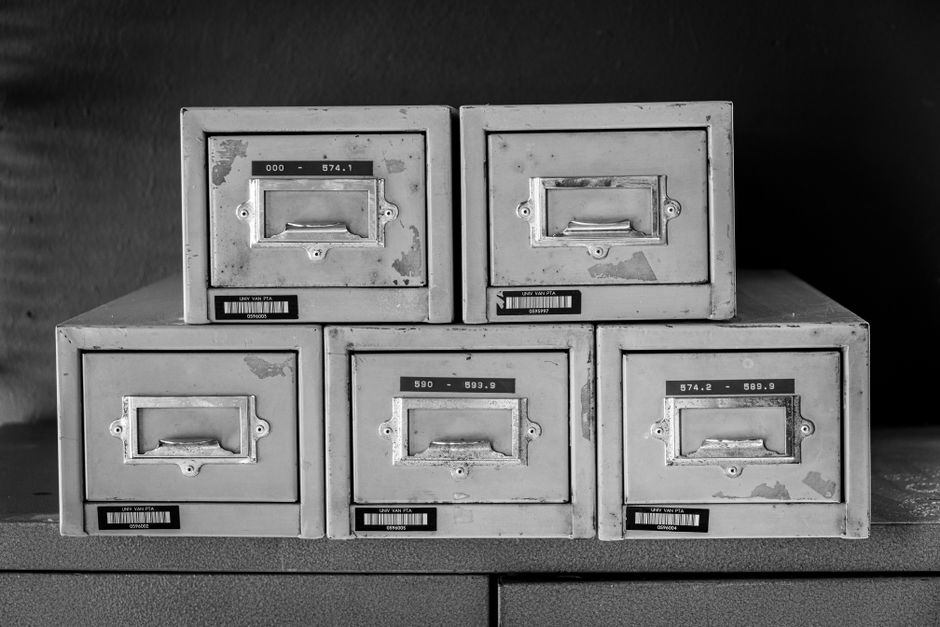
First things first: grab your supplies. You’ll need a stack of physical flashcards – index cards are perfect – and three to five small boxes or dividers. Label these boxes clearly, something like, “Box 1: Daily,” “Box 2: Every 2 Days,” “Box 3: Every 4 Days,” “Box 4: Every 7 Days,” and “Box 5: Mastery (Monthly/Archived).” You can tweak these times to fit your own learning speed and how tough the material is, of course.
What are the steps to effectively create and organize your flashcards?
So, start making your flashcards. For every bit of info you want to learn, write a clear, short question or term on one side. Put its answer or definition on the other. Make sure each card is ‘atomic’ – that means just one concept per card. Don’t cram too much onto one card, though. That just makes it harder to recall quickly.
Once your flashcards are ready, put all new cards into Box 1. This is where all fresh information starts. Your daily review sessions will mostly come from this box, plus any other boxes that are due for review that day.

When you’re reviewing, grab a card from Box 1. Get it right? Move it to Box 2. Get it wrong? It stays in Box 1, and you’ll see it again tomorrow. Same goes for cards from Box 2: correct answers send them to Box 3, but incorrect answers boot them all the way back to Box 1. This “wrong answer, back to Box 1” rule is key to why the system works so well. It makes sure those tough concepts get plenty of extra practice.
Maximizing Your Leitner Box for Superior Retention
Just setting up a Leitner Box isn’t enough, though. You’ve got to use it consistently and smartly to get the most out of it. The real goal isn’t just to move cards forward; it’s about really solidifying that knowledge so it sticks.
What is the most effective daily routine for using your Leitner Box?
Consistency is everything here. Set aside a specific, short time each day—maybe 15 to 30 minutes—just for flashcards. Start with Box 1 cards, then tackle any other boxes due for review that day. This daily habit stops you from forgetting things and builds up your learning little by little. Miss even a few days, and you’ll create a huge pile of cards, which makes it way harder to get back on track.
Focus on understanding, not just memorizing. When you review a card, don’t just say the answer. Try to explain the concept in your own words. If you’re struggling, spend a moment to check your notes or textbook on that topic before you put the card back. That helps you really understand it, and you’ll remember it better later.
How can you create high-quality flashcards to enhance your learning?
The quality of your flashcards makes a huge difference in how well the system works. Make sure your questions are specific and your answers are short. Use images, diagrams, or mnemonics on cards when you can, too, to help you remember visually. And avoid questions that are too complex, ones that need multiple pieces of information. That just makes it hard to tell if you really know it.
Try to combine your Leitner Box revision system with other study methods. For example, after a lecture or reading a chapter, make flashcards for the key concepts right away. This ‘just-in-time’ card creation takes advantage of your initial understanding and gets the spaced repetition cycle going strong. You can also use the cards as a pre-test before tackling practice problems or essays, spotting your weak spots before you dive in.
Why is the Leitner Box Revision System Still a Top Choice in 2026?
Even with loads of digital flashcard apps and fancy learning software out there, the classic Leitner Box revision system is still a favorite for serious learners, even in 2026. Why? It’s so appealing because it’s simple, you can physically touch it, and it gives you some basic but powerful brain advantages.
That tactile experience – actually holding physical flashcards and moving them between boxes by hand – gives you a special feeling that digital tools just don’t quite offer. This physical interaction can help your memory really lock things in and cut down on digital distractions. No notifications popping up, no tempting other apps, no endless scrolling. Just you and the information.
And since it’s low-tech, you’ve got no software to figure out. No worrying about battery life. No internet connection needed. Anyone, anywhere can use it easily. That makes it a reliable choice for all kinds of learning, whether you’re in a classroom or studying from home.
Plus, seeing your progress visually—watching cards pile up in the later boxes—is a huge motivator. It’s a real, physical record of how much you’re learning and mastering. And that can be way more satisfying than just some abstract progress bar on a screen. This system really builds discipline and helps you take charge of your learning.
Common Pitfalls and How to Avoid Them
Look, the Leitner Box revision system works really well, but a few common challenges can trip you up. But if you know about these snags and plan ahead, you can get past them and keep your learning going strong.
What are the main reasons people struggle with the Leitner Box system?
One common pitfall is just not being consistent. This system only works if you use it regularly, every day. If you skip reviews for a few days, that pile of cards can get huge and feel totally overwhelming. Then you just give up. So, to avoid that, make your review sessions a non-negotiable part of your day, even if it’s just for 10-15 minutes.
Another challenge is making crummy flashcards. If cards are too vague, have too much info, or the questions aren’t clear, they’ll make active recall less effective. So, take the time to make your flashcards short, specific, and clear. Focus on just one key concept per card. That’ll help you learn and test yourself efficiently.
And watch out for overfilling Box 1. If you introduce too many new cards at once, you’ll end up with a Box 1 that’s always overflowing, making daily reviews long and scary. Pace yourself. Add new cards gradually, maybe 5-10 new ones a day. That keeps the workload manageable and the system running smoothly.
Finally, some learners forget to tweak their box review intervals. If cards are moving too fast or too slow for you, just modify the schedule for Boxes 2, 3, 4, and 5 to better fit your material and how you learn. The system is flexible! You can customize it to your needs, so you get the best review times for everything you’re studying.
Frequently Asked Questions
What is the ideal number of boxes for a Leitner Box system?
Three to five boxes are usually best for a Leitner Box system. Three boxes are simpler for beginners, but five boxes give you more fine-tuned control over those spaced repetition intervals.
Can the Leitner Box system be used for any subject?
Yes, the Leitner Box system is super versatile and works great for all sorts of subjects! Think languages, sciences, history facts, technical concepts – really anything, as long as the information can be broken down into small, separate bits that fit on a flashcard.
How long should a daily Leitner Box review session last?
A daily Leitner Box review session should ideally be between 15 to 30 minutes. See, short, consistent sessions work better for spaced repetition than long, infrequent ones. They’ll stop you burning out and really help lock things into your long-term memory.
What if I answer a card correctly but later realize I only guessed?
If you answer a card correctly but you feel like you just guessed, or you weren’t truly confident, you should still send it back to Box 1. The goal here is real mastery, not just a lucky guess. Doing this ensures you’ll see that genuinely challenging material again sooner.
Are there digital alternatives to the physical Leitner Box?
Yes, absolutely. Many digital flashcard apps, like Anki and Quizlet, use spaced repetition algorithms, much like the Leitner Box. They’re convenient, sure. But some learners just prefer the hands-on feel and fewer digital distractions that the physical system offers.
How do I know when I’ve “mastered” a card in the Leitner Box?
You’ve ‘mastered’ a card when it reaches that final box (Box 5, for example) and you keep recalling its information correctly, even after long breaks. At that point, you can archive these cards. Though, for super critical info, a quick re-test now and then isn’t a bad idea.