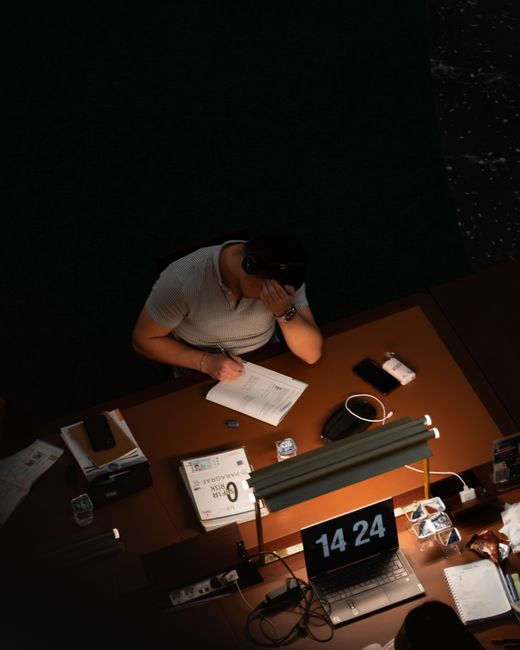

Quick answer: Successfully transforming pressure into performance for exams involves a strategic mindset shift, reframing anxiety as productive energy, and implementing practical study and self-care techniques. By understanding the psychology of stress and actively engaging in resilience-building practices, students can convert high-stakes situations into opportunities for peak achievement rather than succumbing to overwhelm.
Key Takeaways
- Exam pressure is a natural response that can be rechanneled from debilitating anxiety to focused motivation.
- Cognitive reappraisal, mindfulness, and visualization are powerful tools for managing stress and enhancing performance.
- Structured study plans and effective time management significantly reduce the feeling of overwhelm and boost confidence.
- Prioritizing sleep, nutrition, and physical activity builds a robust foundation for mental resilience under pressure.
- Self-compassion and reframing setbacks as learning experiences are vital for sustained academic success.
For most students, exams bring a familiar, unwelcome wave of anxiety. This isn’t just about preparing for a test, is it? It’s about successfully transforming pressure into performance. And that’s a critical skill. It’s what separates those who just get by from those who truly shine, not only academically but in any high-stakes situation they face.
The journey from fear to focus isn’t about getting rid of stress completely. No, it’s about understanding that energy and learning how to use it. A champion’s mindset means you see pressure not as something to run from, but as a cue to step up and do your absolute best. We’re going to talk you through the exact strategies you need to do just that.
What’s Happening in Your Head: The Psychology Behind Exam Pressure
Exam pressure is a pretty common psychological and physiological response. Think of it as your body reacting to a perceived threat or big challenge, especially when there’s an academic assessment on the line. When an exam looms, your body often kicks into “fight or flight” mode, pumping out hormones like cortisol and adrenaline. That’s a natural stress response, built for survival. But in a classroom or exam hall, it can backfire, messing with your ability to think clearly.
Ever had a racing heart, started breathing shallow, struggled to focus, or found your mind going totally blank during a test? Those are all common signs of this kind of stress. You might even experience “test anxiety,” which is a specific performance anxiety where the fear of failing or being judged just becomes too much. But hey, knowing how all this works is your first big step toward taking back control.
So, how does stress mess with your memory and focus?
Even moderate stress, let alone chronic or really high levels, can seriously harm your working memory and attention. Your prefrontal cortex—the part of your brain handling important stuff like planning and making decisions—just doesn’t work as well under pressure. That means even if you’ve studied like crazy, pulling that information out when you need it most can feel impossible during the actual exam. So, managing stress becomes just as vital as the studying itself.

How You Can Start Transforming Pressure into Productive Energy
The real trick to mastering exam pressure? It’s called cognitive reappraisal. That’s just a fancy way of saying you change how you see the stressful situation. Instead of thinking a racing heart means panic is setting in, what if you saw it as your body revving up for peak performance? Like an energizing force, ready to be directed. That subtle shift can totally change how you experience things.
Think about it: turning anxiety into excitement or readiness can genuinely change those draining feelings into a powerful drive. It’s about choosing how you react to stress, rather than just letting it wash over you. And that active decision-making puts you back in charge.
Can simply reframing anxiety genuinely make you perform better?
Absolutely. Research from as recently as 2026 keeps showing that people who reframe anxiety as excitement actually perform better on high-pressure tasks. This isn’t some feel-good fantasy; it’s a measurable psychological effect. When you tell yourself, “I’m not anxious, I’m energized,” you’re setting up your mind and body for action, not withdrawal. It’s a surprisingly powerful bit of self-talk.
What Practical Techniques Help in Transforming Pressure for Exams?
Beyond just changing your thinking, you’ll need practical steps to really get a handle on exam-related stress. These aren’t just one-off tricks; they range from smart, structured preparation to mental conditioning. All of them are designed to build your confidence and make sure you perform your best when it truly matters. And remember, sticking with these methods consistently will give you the best results.
See, good preparation cuts down on the unknowns, and unknowns are a huge source of anxiety. So, combine serious studying with specific stress-reduction practices. This two-pronged approach means you’re both knowledgeable and mentally ready.
How does structured study actually reduce anxiety?
A well-organized study schedule takes those giant, overwhelming tasks and breaks them down into small, manageable steps. That way, you don’t feel swamped; instead, you get a clear path forward. Setting realistic goals, giving specific times to each subject, and building in regular breaks helps keep you focused and stops burnout. It’s all about building momentum, one small, consistent win at a time.
- Make a Detailed Study Plan: Seriously, write down the topics you’ll cover each day right up to the exam.
- Use Active Recall: Don’t just reread notes. Test yourself often.
- Practice with Past Papers: Sit down and do them like it’s the real exam. Get used to the format and timing.
- Break Down Big Stuff: If a subject feels huge, split it into smaller, easier-to-digest modules.
Can mindfulness really help your exam performance?
Yes, absolutely. Mindfulness practices, things like deep breathing or even short meditation, can significantly sharpen your focus and bring down anxiety. Just a few minutes of mindful breathing before and during your study sessions can calm your nervous system. And if you feel overwhelmed during an exam? Take a few slow, deep breaths. It helps you get back on track and clears your head. This is a direct tool for transforming pressure into calm, clear focus.
Why is visualization such a powerful tool for exam success?
Visualization means mentally rehearsing how you want things to go. Picture yourself walking confidently into the exam room, calmly answering every question, and absolutely acing the test. This mental practice builds up your belief in yourself and gets your mind ready for success. Pro athletes use it all the time for competitions, and you can apply that same principle to your exams. It basically primes your brain for a positive outcome.

Building a Resilient Exam Mindset: Strategies That Last
You don’t build a champion’s mindset overnight. It grows from consistent habits and a real commitment to your overall well-being. These aren’t quick fixes; they’re long-term strategies that support your academic journey way beyond just one exam. They help you build resilience that serves you in all of life’s challenges. In fact, they’re fundamental to truly transforming pressure into consistent, high performance.
Focusing on your whole health makes sure your brain and body are in top shape to handle academic demands. So, taking care of yourself isn’t a luxury; it’s essential for staying mentally clear and energized. These practices are the very foundation for lasting academic success.
Why is consistent sleep so crucial for mental clarity?
Look, adequate, consistent sleep isn’t optional for your brain to work properly. When you sleep, your brain solidifies memories, processes new information, and even clears out waste. If you don’t get enough, your concentration drops, your problem-solving skills tank, and controlling your emotions becomes harder. All of that makes you way more prone to stress. Aim for 7-9 hours of good sleep every night, especially when you’re facing exams.
What role does what you eat play in managing exam stress?
Your brain is hungry, and how it performs is directly tied to what you put into your body. A balanced diet—think whole grains, lean proteins, fruits, and veggies—gives you the steady energy your brain needs to function at its best. Try to cut back on too much sugar, caffeine, and processed foods. They can cause energy crashes and actually make anxiety worse. Fueling your body right helps stabilize your mood and keeps you focused.
How does physical activity boost your exam performance?
Regular exercise is an incredibly powerful way to reduce stress and lift your mood. When you move, your body releases endorphins, which are natural mood boosters, and it helps burn off excess adrenaline. Even a quick walk can clear your head and send more blood to your brain, making you think better. Try to get at least 30 minutes of moderate exercise most days of the week; you’ll see a real difference.

The Role of Self-Compassion in High-Stakes Situations
When you’re striving for academic excellence, it’s easy to fall into the trap of being too hard on yourself. But here’s the thing: practicing self-compassion—treating yourself with the same kindness and understanding you’d offer a good friend—is absolutely vital for building resilience. When you mess up or hit a snag, self-compassion helps you bounce back faster and learn more effectively.
Understand that being imperfect is just part of learning. Instead of dwelling on mistakes, see them as valuable feedback that helps you grow. This shift in perspective actually creates a more positive learning environment right inside your own head. It makes it easier to recover and stay motivated.
How can positive self-talk fight exam anxiety?
Positive self-talk means you deliberately challenge those negative thoughts and replace them with encouraging, realistic affirmations. For example, instead of thinking, “I’m going to fail this exam,” reframe it as, “I’ve prepared well, and I will do my best.” This practice builds confidence and quiets that inner voice that feeds your anxiety. It’s an active way of transforming pressure into self-assurance.
Why embrace setbacks as learning opportunities?
Nobody performs perfectly all the time. So, when you get a tough question wrong or don’t do as well as you hoped, see it as a chance to analyze and improve, not as a judgment on your worth. This resilient approach lets you pull lessons from every experience, ultimately making you stronger and more adaptable for whatever comes next. It truly turns potential failures into forward momentum.

Conclusion
Acing your exams isn’t just about cramming facts; it’s really about mastering your mindset. When you understand what’s going on psychologically, actively reframe how you react, and put consistent, long-term well-being strategies in place, you can totally transform exam anxiety. It stops being a block and starts being a spark for peak performance. Use these techniques. You won’t just do well on your exams; you’ll also develop invaluable life skills for handling any high-pressure situation you’ll ever face. And honestly, the ability to excel under pressure? That’s a skill that pays off for life, turning every challenge into a chance to grow.
Frequently Asked Questions
What is the most effective first step for transforming pressure before an exam?
The best first step is simply acknowledging your feelings of pressure without judgment. Then, immediately do a short mindfulness exercise, like deep breathing, to calm your nervous system and help you refocus.
How can I avoid last-minute cramming and its associated stress?
Start a structured study plan several weeks before the exam. Break down all the material into small, manageable daily tasks. This steady effort means you won’t need to cram, and it builds your confidence little by little.
Is it normal to feel anxious even after thorough preparation?
Yes, absolutely! It’s totally normal to feel some anxiety, even when you’re super prepared. The goal isn’t to get rid of all anxiety. Instead, it’s about learning to manage it and reshape it into productive energy that sharpens your focus, instead of freezing you up.
What should I do if I go blank during an exam due to pressure?
If your mind goes blank, just stop. Close your eyes for a moment, and take three slow, deep breaths. Remind yourself to stay calm, then read the question slowly again. Often, this simple reset is enough to help you access the information you know is in there.
How long does it take to develop a resilient exam mindset?
Developing a resilient mindset is an ongoing process, not something you fix once. But with consistent practice—things like mindfulness, positive self-talk, structured preparation, and self-care—over several weeks or months, you’ll see huge improvements in how you handle pressure effectively, easily by 2026.