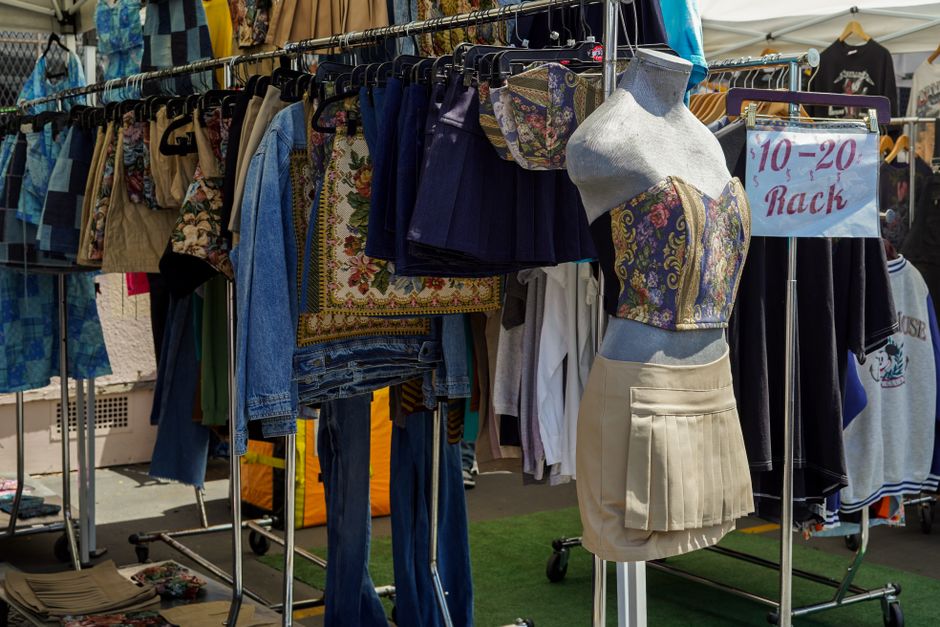
Quick answer: Thrift flipping means buying pre-owned clothes – maybe vintage, maybe designer – super cheap from secondhand spots, then selling them online for a nice profit. It’s a fantastic side hustle, centered around thrift flipping, that you can totally manage on weekends. Plus, it’s a smart, sustainable way to earn money online in 2026 and beyond.
Key Takeaways
- Thrift flipping is a sustainable and profitable online business model for sourcing and reselling vintage clothing.
- Successful flipping relies on understanding current fashion trends and identifying high-value items at low cost.
- Strategic sourcing on weekends from thrift stores, estate sales, and flea markets is crucial for finding inventory.
- Effective cleaning, minor repairs, and high-quality photography significantly increase an item’s market value.
- Platforms like eBay, Poshmark, and Depop are essential for reaching target buyers and maximizing profit margins.
- Building a strong online presence and customer service are key to long-term success in the resale market.
What is Thrift Flipping and How Does it Work?
Thrift flipping? It’s really just smart shopping: you buy used stuff, mostly clothes, from secondhand places and then sell ’em for a profit. This side hustle’s gotten huge, tapping into people wanting more sustainable fashion and those cool, one-of-a-kind vintage finds. Savvy folks with a good eye for a deal and a handle on what’s hot can turn someone else’s discards into serious cash.
The basic idea is simple: find things with good resale potential that are way too cheap where you’re buying them. Often, that means spotting designer labels, cool vintage styles, or unique fabrics that other thrifters might just walk right past. So, you buy these pieces. Then, you clean ’em up, maybe fix a small tear, snap some great photos, and list them online. The goal? A really solid return on your money.
Why is Thrift Flipping Gaining Popularity in 2026?
Why’s thrift flipping blowing up in 2026? Well, a few big things are happening at once. People care a lot more about the environment now, and that’s pushing them towards sustainable shopping. Plus, everybody wants unique, distinctive clothes that aren’t just like what you find at every fast-fashion chain. That’s really driving the vintage market.
And frankly, online marketplaces have made selling stuff easier than ever. Grab your phone, connect to the internet, and boom – you can reach buyers all over the world. There isn’t much stopping you from getting started, so thrift flipping’s a really appealing option for beginners who want to launch a flexible business without tons of cash up front.
Mastering the Art of Thrift Flipping: Proven Strategies
Being great at thrift flipping isn’t just luck, you know? It’s about having a solid plan for finding stuff, getting it ready, and then selling it. If you’re hoping to flip, you’ve got to learn what’s hot in fashion right now, recognize good brands, and really understand fabric quality. Get these skills down, and your profits will shoot up.
Managing your time well is super important too, especially if you’re only doing this on weekends. You’ll want to prioritize things like researching trends, making those sourcing trips, and creating your listings. That’ll make everything run smoother. And honestly, putting in consistent effort? That’s what brings in consistent money.
How Do You Research Market Trends and Buyer Preferences?
First off, you’ve got to know what actually sells. That’s the real key to making money thrift flipping. Spend some time on sites like eBay, Poshmark, and Depop. Look at what’s recently sold and for how much. Notice which brands, styles, and fabrics consistently fetch top dollar.
But don’t stop there. Follow fashion influencers and vintage curators on social media. They’ll help you spot trends before they really blow up. See what people are searching for and what vintage looks are currently hot. Doing this kind of research upfront cuts down your risks and seriously boosts your chances of finding stuff people actually want.
What are the Best Places to Go Sourcing on Weekends?
Weekends are the best time for sourcing. Stores stay open longer, and you’ve got estate sales and flea markets happening. Always hit up your local thrift stores, charity shops, and consignment spots first. They often get new stuff in constantly, and prices are usually good. That’s where you find the real hidden gems.
But don’t limit yourself! Check out antique malls, vintage fairs, and even community garage sales. Estate sales, especially, can be absolute goldmines for quality vintage clothes and accessories. Just make sure you get there early. You want first dibs on the best pieces, right?
Identifying High-Value Items: What Should You Look For?
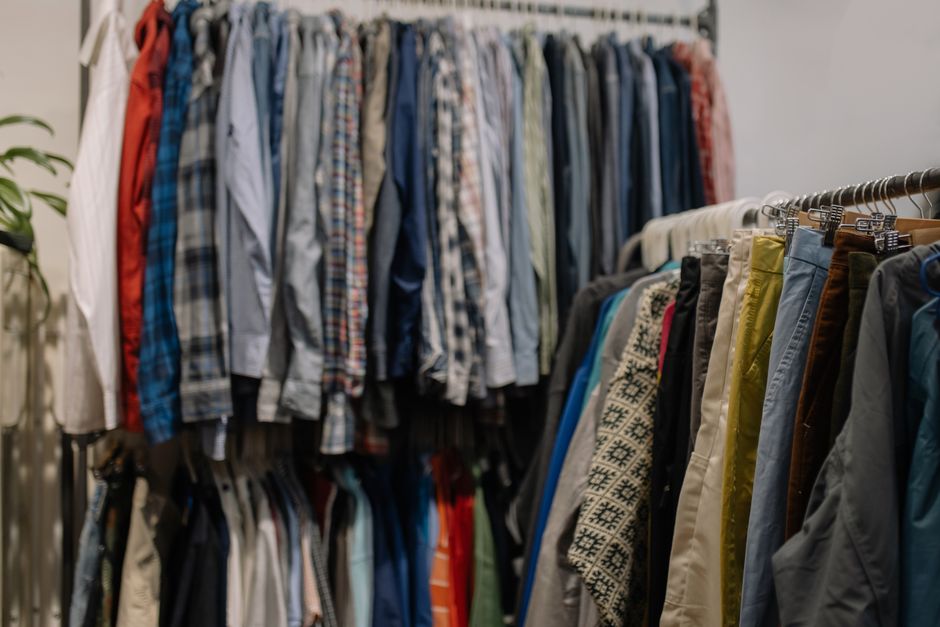
When you’re out sourcing, always go for quality, not just quantity. Seriously. Look for natural fibers: think silk, wool, linen, and cotton. These fabrics usually last longer and keep their value much better than anything synthetic. And really scrutinize the construction – check seams, zippers, and buttons for good craftsmanship.
Oh, and always look at those brand labels. Designer brands, even if they’re older, often still fetch a great price. Vintage denim, classic band tees, and cool graphic prints? Those are always popular. And you should always, always check for original tags or any unique marks that prove something’s authentic and truly vintage.
Avoiding Common Pitfalls in Thrift Stores
Here’s a big mistake people make: buying stuff that’s just too damaged to fix. You really need to check clothes over carefully before you buy them. Look for stains, tears, missing buttons, or busted zippers. A small fix is fine, sure, but big damage? That’ll eat up your profits fast.
And another trap? Falling for those fashion fads that are already on their way out. Stick with classic vintage styles, or only go for items you know are currently trending from your research. Don’t just buy on impulse! Always think about what you could actually sell it for and if people even want it before you commit.
Preparing Your Finds for Online Marketplaces
Okay, you’ve got your inventory. Now, getting it ready properly is absolutely essential if you want to get the best price. An item that looks good won’t just sell quicker; it’ll also go for more money. This stage is all about cleaning, maybe a few small repairs, and taking killer photos.
Honestly, think of yourself as a curator for these vintage pieces. Every single thing you do in this process adds value and shows potential buyers you’re a pro. So, don’t rush it. Seriously, rushing this part can really hurt your sales.
How Do You Clean and Repair Vintage Clothing Effectively?
Cleaning vintage clothes? That needs serious care and attention. Always check the care labels first. No label? Then stick to gentle hand washing or professional dry cleaning, especially for delicate stuff like silk or wool. Got a stain? Use the right remover, but always test it somewhere hidden first.
And don’t overlook minor repairs. Stitching on a loose button, mending a tiny tear, or fixing a hem can really make a piece more attractive. Get yourself a basic sewing kit and learn a few simple mending tricks. When you present an item in excellent shape, it totally justifies a higher price and makes buyers trust you more.

What Makes for Compelling Product Photography?
Listen, great photos? They’re probably the single most important thing when you’re selling online. Always use natural light if you can – set your stuff up by a window. And make sure your background is clean and simple. You want the clothes to pop, not whatever’s behind them. White or neutral usually works best.
Take lots of photos from all different angles: front, back, close-ups of details like buttons, embroidery, or fabric texture, and don’t forget brand tags. If you can, model the clothes yourself, or at least use a mannequin. It really helps buyers see how it’ll fit. Good, clear, bright images mean fewer questions and fewer returns, too.
Selling Your Thrift Flips for Maximum Profit
Picking the right place to sell and getting your pricing spot-on? That’s huge for making a profit from your thrift flips. Different marketplaces attract different kinds of buyers. So, if you get those distinctions, you can hit your target audience better. And making sure your listings look great also helps a ton with getting seen and making sales.
But remember, pricing isn’t just about what something seems to be worth. You’ve got to factor in what you paid for it, how much time you put in, and the platform fees too. Get your pricing right, and your business stays profitable for the long haul.
Which Online Marketplaces are Best for Thrift Flipping?
Lots of online platforms are fantastic for selling used clothes. eBay, for instance, has a huge audience and lets you do both auctions and fixed-price listings, which is perfect for one-of-a-kind or pricier vintage pieces. Poshmark’s great for more modern secondhand fashion, and it’s got a really lively community side to it.
Depop really grabs a younger, trendier crowd, so it’s especially good for Y2K and streetwear vintage. And Etsy? That’s the place for truly unique, handmade, or super specific niche vintage items. You might want to list on a few platforms to get your stuff in front of more people, but just be careful managing your inventory across all of them.
How Do You Price Your Vintage Items Competitively?
You’ve got to base your prices on your research. What have similar items actually sold for lately? And don’t forget to consider the item’s condition, brand, how rare it is, and what’s currently in demand. I’d suggest starting a little higher than your ideal price; that gives you some wiggle room for offers, especially on platforms where people can make them.
And look, always be upfront about any flaws or imperfections in your description. Great photos that really show the item’s condition build trust and cut down on arguments later. You might also think about offering bundle deals or discounts. Those can really bring in more buyers, especially as your stock builds up.

What are the Shipping Best Practices for Online Sales?
Shipping efficiently and securely is super important. It leads to happy customers and, you know, repeat business. So, invest in good, sturdy packaging. Think poly mailers or boxes, depending on how fragile the item is. And always clearly label everything with the buyer’s address and your return address.
Try to offer tracked shipping whenever you can. It just gives everyone – you and the buyer – peace of mind. Make sure to research shipping costs for different carriers. You can either bake those into your item price or charge them separately. And honestly, shipping quickly, within a day or two of the sale, makes customers really happy.
Scaling Your Thrift Flipping Business Beyond Weekends
So, you’re consistently making sales? Awesome! That’s when you might want to think about growing your thrift flipping business past just weekends. Scaling up means making your processes more efficient, finding new ways to source stuff, and maybe putting money into better tools or getting some help. You’re basically moving from a hobby to a real business here.
And be smart about setting growth goals for 2027 and later. Those goals will really guide your expansion. Because the online reselling world changes fast, you’ve got to keep learning and adapting if you want to stay successful long-term.
When Should You Consider Expanding Your Inventory and Sourcing?
So, when do you know it’s time to stock more and find new sources? When you’re always selling out of your weekend finds and you really know what your target market wants. That’s your sign. This could mean dedicating more time to sourcing during the week, or maybe looking into wholesale vintage suppliers. You could even hit up bigger vintage trade shows; they can totally open up new inventory channels.
Also, check out “deadstock.” That’s old, unsold inventory from retailers. You can often buy it in bulk for a big discount. It gives you a much more consistent supply of goods, without the ups and downs of regular thrift store hunting. But expanding your inventory smartly? That’s what keeps your store fresh and appealing.
Utilizing Social Media to Boost Your Brand and Sales
You absolutely need a strong social media presence for any modern online business. Instagram, TikTok, Pinterest – those are visual goldmines for showing off your vintage finds. So, post engaging stuff: “haul” videos, styling tips, amazing before-and-after transformations.
Interact with your followers. Respond to comments. Use the right hashtags to get seen by more people. Social media can seriously send a ton of traffic to your online store and help you build a loyal following. And consistent branding across everything? That makes you look professional and helps people recognize you instantly.
Frequently Asked Questions
Can beginners actually make money with thrift flipping?
Yep, beginners can totally make good money with thrift flipping, especially if they focus on popular items and use those free online marketplaces. Start small, reinvest what you earn, and you’ll be set for early success.
How much cash do you need to start thrift flipping?
You don’t need much cash at all to start thrift flipping – sometimes as little as $50-$100 if you stick to cheap finds. Your biggest investments will be your time for sourcing and maybe a little bit for cleaning supplies or shipping stuff.
What kinds of clothes are selling best in 2026?
For 2026, think vintage denim, oversized graphic tees, Y2K fashion, cool unique knitwear, and classic designer pieces – they’re still hot sellers. Anything sustainable and ethically sourced also fetches a better price.
How do I determine the authenticity of vintage clothing?
You figure out authenticity by looking at tags, stitching, fabric quality, and specific design details that match the era or brand. Researching vintage labels and unique brand hallmarks is super important for proving something’s real.
What are the biggest challenges in thrift flipping?
Well, you’ll definitely face challenges: inconsistent inventory, figuring out the right price for unique stuff, keeping customers happy, and dealing with returns. But stay persistent and keep learning, and you’ll get past them.
Can thrift flipping be a full-time income source?
Absolutely! With dedication, a good plan, and smart scaling, thrift flipping can totally become a full-time income. Lots of successful flippers run full-time businesses, even branching out into other vintage categories or making their own upcycled designs by 2027.