



Group Projects Suck? Here’s How to Make Them Your Secret Weapon
Let’s be honest, the mere mention of “group project” can send shivers down the spine of even the most dedicated student or professional. We’ve all been there: the slacker, the control freak, the disappearing teammate – they’re practically group project archetypes. But what if I told you group projects don’t have to be a nightmare? In fact, they can be a secret weapon for boosting your skills, expanding your network, and even achieving better results.

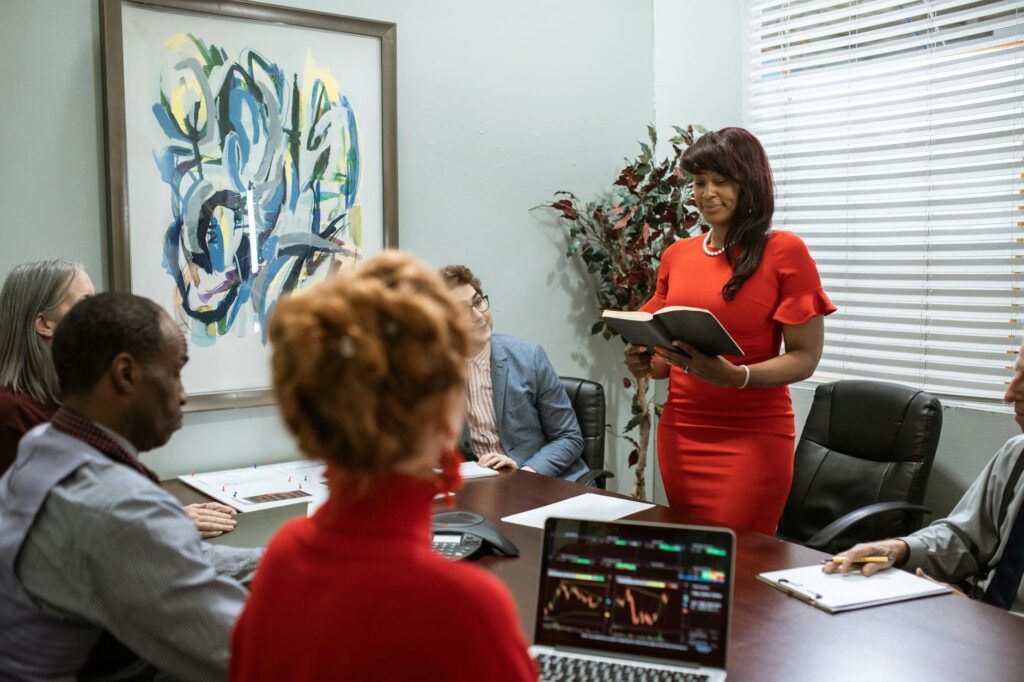
Turning Dread into Success
The key to conquering the group project beast lies in proactive planning, clear communication, and a shared understanding of everyone’s roles and responsibilities. It’s about transforming the potential for chaos into a well-oiled machine of productivity.
1. Assemble Your Dream Team (Or At Least Make it Work)
Ideally, you’d get to handpick your team. But let’s face it, that’s rarely the case. So, whether you’re assigned a group or get some say in the matter, the first step is to understand everyone’s strengths and weaknesses. A quick “skills inventory” can work wonders. Have each member list their skills, areas of expertise, and even their preferred working styles. This helps identify potential leaders, divide tasks effectively, and avoid stepping on each other’s toes.
2. Establish Clear Goals and Expectations
Before diving into the project, make sure everyone is on the same page about the objectives. What are you trying to achieve? What does success look like? Defining these parameters early on prevents misunderstandings and scope creep down the line.
- Define deliverables: What is the final product? A presentation? A report? A prototype?
- Set deadlines: Break down the project into smaller tasks and assign deadlines for each.
- Establish communication channels: Will you use email, a messaging app, or project management software?
3. Communication is Key (No, Really!)
Regular communication is the lifeblood of a successful group project. Establish a communication schedule from the get-go. This could involve weekly meetings, quick check-ins, or updates via your chosen platform. Don’t be afraid to over-communicate – it’s better to be overly informed than left in the dark.
4. Embrace Project Management Tools
From Trello and Asana to Google Workspace and Microsoft Teams, there’s a plethora of project management tools available to streamline your workflow. These tools help centralize communication, track progress, manage deadlines, and keep everyone organized. Experiment to find what works best for your group.
5. Navigate Conflict Constructively
Disagreements are inevitable in any group setting. The key is to address them constructively. Encourage open and honest communication, and focus on finding solutions that benefit the project as a whole. If necessary, designate a neutral party within the group to mediate disputes.
“Teamwork makes the dream work” – John C. Maxwell
6. Celebrate Successes (Big and Small)
Acknowledging milestones and celebrating achievements, no matter how small, boosts morale and keeps the team motivated. A simple “great job” or a virtual high-five can go a long way in fostering a positive and collaborative environment.
7. Document Everything
Maintaining detailed records of meetings, decisions, and contributions not only keeps everyone informed but also provides valuable documentation in case of disputes or misunderstandings. This also serves as a useful reference point for future projects.
8. Learn From the Experience
Even the smoothest group projects offer opportunities for learning and growth. Take time to reflect on what worked well, what could have been improved, and how you can apply these lessons to future collaborations. This reflective practice is essential for continuous improvement and developing your teamwork skills.
From Nightmare to Network Booster
Group projects don’t have to be a source of stress and frustration. By implementing these strategies, you can transform them into a powerful tool for developing valuable skills, building your professional network, and achieving outstanding results. Embrace the challenge, and watch your collaborative efforts flourish. Who knows, you might even enjoy the process!
Bonus Tip:
Don’t forget to have some fun! While productivity is important, injecting some humor and camaraderie into the process can make the experience much more enjoyable for everyone.


