
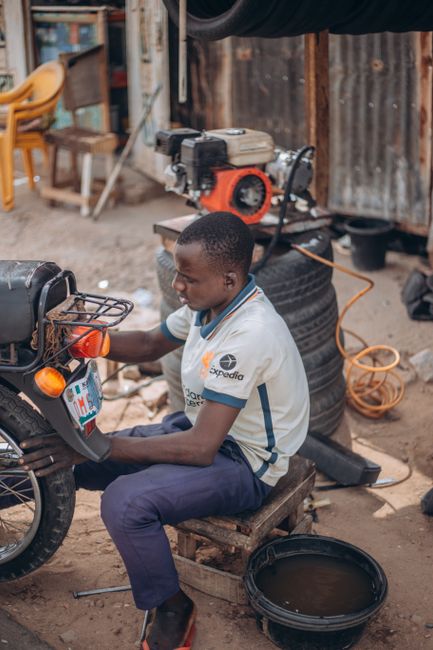
Quick answer: Setting up a campus bike repair service is an excellent, low-cost entrepreneurial move for students who know their way around a wrench. There’s a constant need for bike fixes in university communities, and you can give fellow students convenient, affordable maintenance. Plus, you could start bringing in real income from 2026.
Key Takeaways
- A campus bike repair service means big demand and small startup costs for student mechanics.
- Stick to essential tools and a mobile setup; that keeps initial spending low.
- Marketing? Hit the campus community directly with flyers, social media, and good old word-of-mouth.
- Price your services to beat local shops but still appeal to students.
- Basic tune-ups, tire repairs, and brake adjustments will cover most student needs.
- You’ll need to understand university rules and potential liabilities to run things smoothly.
Why Start a Campus Bike Repair Service?
Think about it: most university campuses are packed with bikes. They’re how countless students, faculty, and staff get around. But finding convenient, affordable repair options? That’s often tough. This means if you’re a student mechanic, you’ve got a built-in market for a practical side business.
And honestly, the startup costs are tiny compared to lots of other ventures. Chances are, if you’re good with bike maintenance, you already own some basic tools. Operating this kind of business usually means minimal overhead. Maybe just a small kit of crucial parts, or even just a mobile setup.
But the demand for quick fixes and routine upkeep? It’s always there. Flat tires, loose brakes, gears that need adjusting—these are everyday problems that can leave a student stranded. Offering an on-campus solution saves students both time and the headache of trekking to an off-campus bike shop.
What Should Your Campus Bike Repair Service Offer?
To really draw in students, your campus bike repair service should focus on the most common, gotta-have-it maintenance tasks. Start with a core set of services, build your reputation, and then you can branch out later.
Begin with basic tune-ups. Those usually cover brake and gear adjustments, chain lubrication, and a quick safety check. Tire repair is another huge one—everything from patching tubes to swapping out full tires. And new brake pads or minor adjustments? They’re always needed to keep riders safe.
Consider offering accessory installation too. Lots of students buy racks, fenders, or lights online, then need help putting them on. Later, as you get better and feel more confident, you can tackle trickier repairs like bottom bracket overhauls or wheel truing. Just make sure your service menu and pricing are always super clear.

How to Start with Almost No Money
You don’t need a huge budget to launch a campus bike repair service. First, check what tools you already have. A basic kit typically includes tire levers, a pump, Allen wrenches, screwdrivers, a chain tool, and a spoke wrench.
For inventory, think about high-demand, cheap items. Inner tubes for common wheel sizes (26″, 27.5″, 29″, 700c), patch kits, brake cables, gear cables, and chain lube are perfect. Buy these in small bulk from online wholesalers to keep your unit costs down.
A mobile repair setup is often the smartest, most budget-friendly choice for student mechanics. This could be as simple as a tough backpack or a bike trailer to haul your tools and parts right to a customer on campus. If the university allows it, a small, dedicated spot like a shed or even a corner of a garage could work as a more permanent (but still low-cost) workshop.
Smart Marketing for Your Campus Bike Repair Service
Getting the word out to students on campus means focused, creative marketing. Start with highly visible, cheap methods. Design flyers and posters that grab attention, clearly listing your services, prices, and how to reach you. Stick these up in busy spots: dorm common rooms, student union buildings, campus cafes. Just make sure you follow university posting rules.
And use the digital places where students hang out. Set up a simple social media presence on platforms like Instagram or TikTok. Show off your work; offer quick tips. Use campus-specific online forums, Facebook groups, or Discord servers to announce what you offer. Lots of universities have groups just for students to buy, sell, or trade services.
Word-of-mouth is incredibly powerful in a tight-knit community like a university. So, give great service, fair prices, and quick turnarounds. That’s how you get those positive referrals. You could even do a referral discount: both the referrer and the new customer get a small discount on their next service. Participate in campus events or offer free safety checks during orientation week. It’s a great way to get seen and build trust.

Setting Prices That Are Fair and Competitive
Pricing your campus bike repair service right is crucial. It helps you attract customers and make money. So, check out local bike shops (LBS) to see what they charge for common repairs. Your prices should generally be lower than theirs; that’s what draws in students watching their wallets. But they still need to be high enough to cover your time, materials, and a decent profit.
Think about a tiered pricing model. Maybe a basic tune-up at an appealing flat rate, then separate charges for specific parts (like inner tubes or brake pads). Always break down labor costs versus parts costs. That’s transparent. A common approach is a flat fee for easier jobs (say, “$10 + cost of tube for a flat repair”) and an hourly rate for more complex diagnostics or fixes.
You could also offer package deals, like a “semester tune-up” with multiple adjustments for a slight discount. And seasonal promotions? They can really boost business. Think a “spring readiness check” before warmer weather gets everyone riding. Just always be upfront about your pricing before you start work. No surprises.
Handling Logistics and Legal Stuff
Running any business, even a small side hustle, means paying attention to the details. First off, get familiar with your university’s policies on student-run businesses or services offered on campus. Some schools might require registration, specific operating hours, or even restrict certain commercial activities.
Consider your liability. Accidents happen, right? If a repair goes wrong, you could be held responsible. While full-blown business insurance might be overkill for a brand new side business, understanding personal liability is still important. Always make sure your repairs are thorough and safe. Maybe include a disclaimer that customers ride at their own risk after your service.
Manage your time well. You’re a student; academics come first. Schedule your repair hours smartly—evenings and weekends, or during study breaks. Use a simple scheduling tool or app to manage appointments and avoid overbooking. And keep good records of what services you do and what payments you get. That’s for your own tracking and potential tax purposes, especially starting in 2026.

Growing Your Campus Bike Repair Service Beyond Basic Fixes
Once your campus bike repair service is up and running and you’ve got some loyal customers, think about adding more. A natural step is to offer more advanced repairs. We’re talking hydraulic brake bleeding, wheel building, or even suspension fork maintenance. Of course, you’ll need to invest in the right tools and training for that.
Another way to expand? Sell common bike accessories or parts. If students are constantly asking for new lights, locks, or water bottles, consider stocking a small, carefully chosen selection. This gives you another revenue stream and makes things super convenient for your customers. You become a one-stop shop for basic cycling needs.
You might even look into partnerships. Work with campus sustainability groups to offer free basic safety checks at events. Or partner with local bike shops; refer complex repairs you can’t handle and maybe earn a small commission. As your business grows, you could even train and hire other students. That really expands your capacity and impact on campus.

Frequently Asked Questions
Do I need a special license to operate a campus bike repair service?
Usually, for a small student-run side business on campus, you won’t need a special license beyond university registration (if that’s even required). But always check your university’s specific policies and your local city’s rules.
What are the most common tools I’ll need to start?
You’ll definitely need a multi-tool, tire levers, a floor pump, a chain tool, hex key sets, screwdrivers, a spoke wrench, and a pedal wrench. Those are your essentials.
How can I accept payments from students conveniently?
Mobile payment apps like Venmo, PayPal, or Cash App are super popular with students, so use those. Cash is fine too, but digital payments make tracking much easier.
How do I manage my time between studies and the business?
Set clear, limited operating hours for your campus bike repair service. Maybe a few evenings a week and a block on weekends. Use an online calendar or booking system; it’ll help you manage appointments efficiently.
Should I offer a warranty on my repairs?
A simple warranty builds trust. Something like a free re-adjustment if a repair fails within a week due to your work. Just clearly define what the warranty covers to avoid any arguments.
What if I encounter a repair I don’t know how to do?
Be honest with the customer. Recommend a trusted local bike shop for really complex issues. It shows professionalism, builds goodwill, and is way better than trying a repair you’re not ready for.