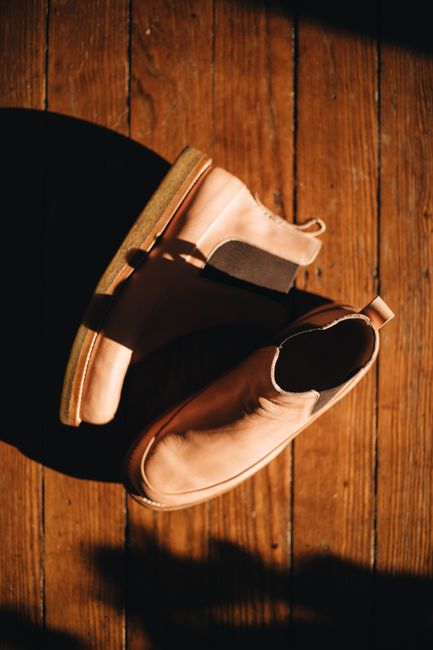
Quick answer: Learning product photography for local boutiques opens up a fantastic way for students and creative folks to land a well-paying weekend gig right on campus. You’d be helping small businesses truly step up their online game and boost sales. And it doesn’t take much, just some basic photography skills and a good eye for detail. It’s rewarding work, and it’s totally doable. When you deliver great images, you’re filling a real need for those local shop owners.
Key Takeaways
- Boutique product photography is super popular right now.
- You can use skills you already have, or pick up the needed techniques pretty quickly.
- Often, you won’t need a ton of fancy gear to start making good money.
- Getting out there and showing off your work really helps you find clients.
- This gig lets you set your own hours and teaches you a lot about running a small business.
- Seriously good photos make a huge difference to a boutique’s sales and how people see their brand.
Why Are Boutique Product Photos So Important for Small Businesses in 2026?
Boutique product photography isn’t just an option for small businesses anymore in 2026; it’s essential for their marketing. Think about it: high-quality images aren’t some fancy extra. They’re what you absolutely need for online sales and social media. People shopping online practically make their buying decisions based on what they see, especially since they can’t actually touch or try on an item.
Now, local boutiques, they often operate on pretty tight budgets. So, getting truly professional product shots can be a real struggle for them. But that creates a huge opportunity for you! There’s a big demand for talented photographers who can deliver awesome visuals without the big agency price tag. Your services genuinely help these businesses compete in the busy digital world we live in.
What Do Good Product Photos Do for Sales?
Good product photos directly lead to more people looking at products and, ultimately, buying them. Customers stick around longer on product pages that have attractive pictures. That means fewer people clicking away too fast, and it builds real trust in the brand. Clear, well-lit, and beautiful photos just say “professional” and “quality,” which usually convinces potential buyers to go ahead and make that purchase.
Actually, numbers from 2025 showed that products with several high-resolution images sold about 30% more than those with fewer or lower-quality visuals. That’s a concrete impact! So, your service isn’t just nice-to-have; it’s genuinely valuable to local entrepreneurs.
What Skills and Gear Do You Really Need for Product Photography?
Starting out with product photography for local boutiques? You don’t need a huge studio or years of experience. What you do need are the basics: a solid grasp of photography fundamentals, an understanding of how light works, and some editing know-how. And truly, a good eye for how to compose a shot and a strong attention to detail will set your work apart.
Lots of successful product photographers started with just what they had. That smartphone in your pocket? If it’s got a decent camera, it can absolutely be your first tool. Then, as you get more experience and land more clients, you can slowly start upgrading your gear. It’s a journey, not a race.
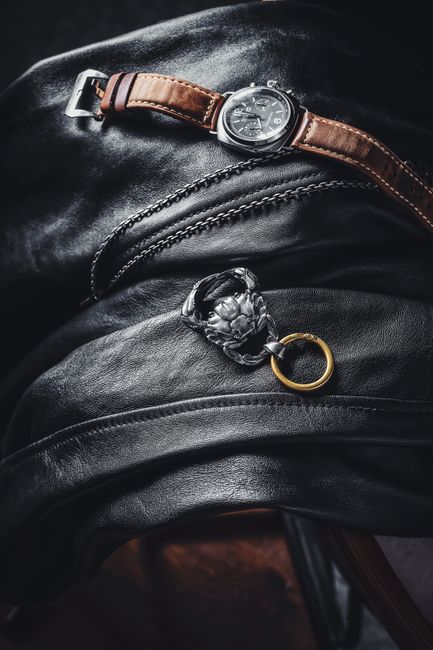
Can You Seriously Use a Smartphone for Professional Product Shots?
Oh, absolutely. Modern smartphones come with some pretty advanced camera features that are surprisingly effective for product photography. Things like portrait mode, manual controls, and high-resolution sensors let you capture some really great images. Pair one of those with good lighting and some simple editing apps, and a smartphone can actually deliver professional-looking results for many boutique products.
The trick isn’t just the camera itself; it’s knowing how to use light, angles, and proper staging. You know, making the product look its best. Plus, there are tons of free online tutorials that can quickly teach you how to get the most out of your smartphone for stunning shots. It really lowers the bar for anyone wanting to get into this photography gig.
What Should Be in Your Starter Kit?
If you’re serious about getting a solid start in product photography for local boutiques, a few key pieces of equipment make a big difference. A digital single-lens reflex (DSLR) or mirrorless camera gives you way more control and image quality than most phones. But hey, a good quality smartphone with a tripod attachment is a perfectly fine place to begin.
Beyond that, you’ll want a sturdy tripod for stability – it helps you get consistent shots. A basic lighting kit is super useful, but honestly, even a desk lamp with a homemade softbox diffuser can work wonders. And don’t forget backdrops! White or gray poster boards are cheap, easy to find, and give you that clean, professional background. Grab a few reflector boards too; they’re great for bouncing light and filling in shadows, and you can even DIY those from white foam core or aluminum foil.
Building a Portfolio and Getting Your First Clients
Your portfolio is everything when you’re trying to attract your first clients for product photography. It’s how you show off your style, your technical skills, and how versatile you are. Without some professional examples, boutiques won’t feel comfortable trusting you with their valuable items. And who could blame them?
So, start by shooting your own stuff, or maybe borrow some products from friends and family. Try to photograph a variety of items – clothes, jewelry, candles, accessories – to really show off what you can do. Each photo should make the product shine, using clean backgrounds and the best possible lighting. You’re aiming for a consistent look that says “professional” and looks appealing to shop owners.

How Do You Find Local Clients?
Getting out there and connecting with boutiques in your area is key. My advice? Head into local shops in person. Bring a few business cards, and have your digital portfolio ready to show on your phone or tablet. Introduce yourself, tell them briefly how great product photography could seriously boost their online sales.
You could even offer a free mini-session for just one or two products. It’s a low-risk way for them to see what you can do. This often opens the door to bigger projects. Go to local business events, join community Facebook groups, and use platforms like Instagram to show your work and tag local businesses. And once you have a happy client or two, word-of-mouth referrals will become your best friend. Oh, and putting together a simple website or a dedicated Instagram page for your photography services is always a good idea.
Smart Pricing Strategies for Student Photographers
Figuring out your pricing for product photography means finding a sweet spot. You need to be competitive, but also get paid fairly for your time and talent. As a student, you might start with slightly lower rates. That’s fine; it helps you build your client list and get more experience. But don’t undersell yourself too much. Good work deserves good pay.
Consider offering package deals. Think “Basic,” “Standard,” and “Premium” options based on how many products you shoot and how many final images they get. Charging by the hour or per-image are also common ways to do it. Just do a little research on what similar services go for in your area. This helps you price competitively, but still make a profit. And always, always give them a clear, written quote before you start any project.

Hourly Rates or Per-Product Pricing: Which is Better?
Both hourly rates and per-product pricing have their benefits when you’re shooting for local boutiques. Hourly rates can make sense for really complex shoots – maybe something that needs a lot of setup time, or where you’re shooting tons of variations of one item. This way, you’re paid for all the time you spend on the project, no matter how many final images you deliver.
But per-product pricing? Boutiques often prefer that because it gives them clear, predictable costs. This model works best for straightforward items that all need similar setups. Many photographers actually blend these two approaches, giving a project fee that accounts for both the estimated time and the number of images they’ll get. Just be super clear about what your price includes, things like editing time and how the images will be delivered.
How to Maximize Your Earnings and Grow Your Campus Photography Gig
Want to earn more and really grow your campus product photography gig? Simple: consistently deliver awesome work. Happy clients aren’t just happy; they’re your best marketing. They’ll come back for more, and they’ll tell their friends. Keep honing your skills, too. Maybe take some online courses, or just follow photography blogs. Staying on top of trends ensures your work always looks fresh and appealing.
And don’t just stop at product shots. You can offer so much more. Many boutiques also need lifestyle photography with models, social media content, or even quick promotional videos. Diversifying your services makes you a more complete, attractive solution for businesses. Always ask for feedback, and use it to get even better at your craft and keep clients happy. By 2027, the demand for all kinds of visual content will only keep growing, so you’ll be set.
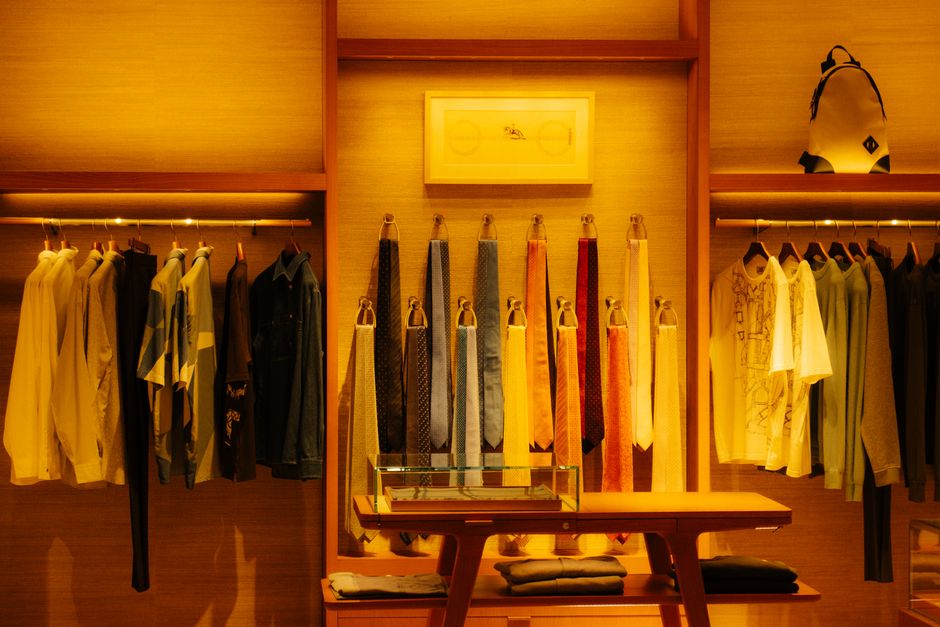
What Else Can You Offer Boutiques?
Beyond basic product shots, think about offering some extra services to local boutiques. Lifestyle photography, for instance, which shows products being used by models or in a cool, aspirational setting, is incredibly popular for social media and website banners. That kind of imagery helps customers really see themselves with the product, which totally boosts its appeal.
You could also create social media content, like short video clips, animated GIFs, or even custom image sets for specific campaigns. Offering a bit of graphic design work, like making product collages or banners, can also be a valuable extra. Some photographers even help optimize images for different e-commerce platforms, making sure they load fast and show up better in searches. Offering these expanded services lets you charge more and become a truly indispensable partner for local businesses.
Frequently Asked Questions
What is product photography for local boutiques?
Product photography for local boutiques means taking high-quality pictures of items they sell. These images are for their online stores, social media, and other marketing stuff. The goal is to make the products look great and accurate for potential customers.
How much can a student earn doing this gig?
What you earn can change a lot depending on where you are, your experience, and how you price things. But a student who’s good at product photography could reasonably make $100-$300 or more for a weekend project. More experienced photographers often charge much higher rates.
Do I need a professional camera to get started?
While a DSLR or mirrorless camera is ideal, you can absolutely begin with a good smartphone. Honestly, focusing on mastering lighting, composition, and editing is often more important than the camera itself for your first projects.
How long does a typical product photography session take?
A standard session might take anywhere from 2-4 hours for a small batch of products (like 10-20 items). That includes setting up, shooting, and a first pass at culling the photos. Extensive editing will add more time after you’re done shooting.
What kind of local businesses need product photography?
Lots of local businesses need product photography! Think clothing boutiques, jewelry stores, artisan craft shops, bakeries, small electronics retailers, and even local service providers who sell physical products like gift baskets.
What is the most important aspect of good product photography?
Consistent, good lighting is probably the most critical thing. When you have proper lighting, your products are well-exposed, all the details are clear, and the colors look right. That just makes everything appealing and professional.