Quick answer: Mastering effective listening in class is crucial for academic success, enabling students to not only absorb complex information but also identify subtle hints and core exam clues dropped by instructors. By actively engaging with lecture content and employing strategic note-taking techniques, students can significantly improve their comprehension and retention of critical course material, leading to better academic outcomes.
Key Takeaways
- Really listening means active engagement, not just passive hearing, to fully process lecture content.
- Strategic preparation before class significantly enhances your ability to listen and understand.
- Employing active listening techniques during lectures, like summarizing and questioning, boosts retention.
- Integrated note-taking methods act as a powerful complement to robust listening skills.
- Leveraging technological tools and optimizing your learning environment can further improve listening outcomes.
- Consistent post-lecture review and practice are essential for transforming heard information into long-term knowledge.
Why is Effective Listening Critical for Academic Success?
Effective listening isn’t just a good habit; it’s fundamental to doing well in school. It takes you from simply sitting in class to actually engaging with the material. You won’t just hear the words; you’ll truly grasp and soak in all the tricky details your professors share. And that deeper understanding? It’s key for nailing tough concepts and even spotting what might show up on an exam.
When you really listen, you’re not just a passive audience member; you’re in the learning process. You’re past just hearing sounds. Instead, you’re building meaning from what’s being said. This active way of doing things closes the loop between what you hear and what you actually remember later. And that’s what gets you those top-tier grades.
What are the common pitfalls in lecture listening?
Lots of students hit roadblocks when they try to listen in lectures. Distractions are usually the biggest problem. Think buzzing phones, or those whispers from the person next to you – they pull your focus right away from the professor. And then there’s mind-wandering. Your thoughts just drift off to who knows where, and boom, you’ve missed something important.
But sometimes, bad note-taking actually makes things worse. Students get so hung up on writing down every single word that they lose the big picture. They miss the context. So, if you don’t have a solid plan, all these little issues can leave you with a jumbled understanding, making it tough to remember anything later. Knowing these common traps, though? That’s the real starting point to fixing them and getting yourself more involved.
Mastering Effective Listening Techniques: Your Blueprint for A+ Grades
Want to do great in school? You’ve got to build and use some specific listening techniques on purpose. It’s way more than just showing up. You need a smart approach and you’ve got to keep at it. And trust me, developing these skills won’t just boost your grades; they’ll make learning so much better for you, well into 2026 and beyond.
How can you prepare mentally for optimal listening?
Getting your head right before a lecture is a huge step. It seriously bumps up how well you can listen. So, start by skimming your old notes or any readings related to what’s coming up. That just warms up your brain with some context, and it makes new stuff much easier to absorb.
Then, go in with a plan for the lecture. Ask yourself: “What do I really want to get out of this?” Make sure your body’s ready too. Get enough sleep, try to keep stress down – a rested, calm mind just listens better. And seriously, get there early, find your spot, and settle in. It cuts down on that last-minute scramble and all the anxiety that comes with it.
What active listening strategies should you employ during lectures?
In class, active listening means you’re not just passively hearing words; you’re completely dialed in. Keep eye contact with your professor. It shows you’re paying attention, but more importantly, it helps keep your own mind focused. Every few minutes, mentally recap the main points. That reinforces what you’ve understood and flags anything that still confuses you.
Ask yourself questions about the material as you go. It’ll give you a sense of where the lecture is going and keep your brain actively working. You can even quickly jot these questions down to ask later or to clear up when you review. But try not to jump to conclusions or argue with the professor in your head. Focus first on fully understanding their point of view before you start forming your own opinions.
How does strategic note-taking enhance listening?
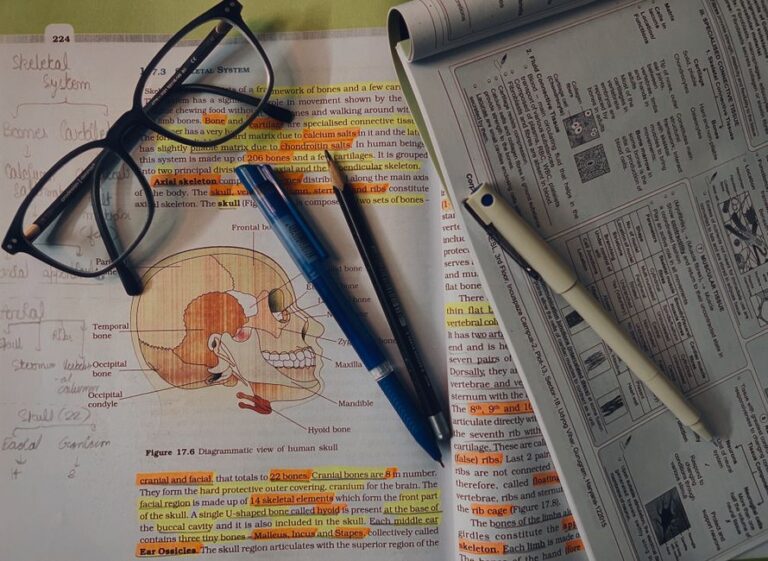
Smart note-taking isn’t about writing down everything. Not at all. It actually works with your listening, strengthening what you hear. Take the Cornell System, for instance: it splits your page into notes, cues, and a summary section. That forces you to actively process the lecture content both while you’re listening and afterwards. Or try mind mapping; it helps you see how ideas connect, giving you a complete picture.
Digital note tools are great too; they let you organize things easily, search quickly, and even drop in videos or links. But here’s the main thing: pick a method that makes you think about the information – process it, shrink it down, pull it all together – instead of just blindly typing. That kind of active involvement really boosts how much you remember and understand.

Leveraging Technology and Environment for Better Listening
Technology can actually give your listening a real boost. It’s not just about what you do personally; things like your surroundings and digital helpers can seriously change how well you soak up information. Use these tools wisely, and you’ll see your grades climb.
Can technology help improve listening skills?
Yes, absolutely! Tech can be a massive help in building better listening skills. A lot of professors record their lectures these days, and that’s a huge bonus. You can re-listen to tough bits as many times as you need, at your own speed. Plus, transcription apps can turn spoken words into text, so you can really dig into the content and catch anything you might’ve missed.
There are also apps that help you focus by blocking distracting websites and notifications. They set up a digital space where you can really listen. Use these tools smart, and they can fill in any understanding gaps and cement what you’ve learned once the live lecture is over. They’re especially helpful if you learn best by hearing things, or if you’re tackling tricky material before exams in 2027.
How does your physical environment impact listening?
Your physical space? It matters way more than you probably think when it comes to really listening. Picking a good seat – usually up front – can really cut down on all those visual and sound distractions from other students. But that’s not all. It also makes it easier to catch your professor’s body language and gestures, which add so much more meaning to what they’re saying.
Also, keep your immediate workspace neat. A clutter-free desk actually helps quiet your mind. If you can, pick a quiet spot when you’re going over recorded lectures or extra materials. A calm, controlled setting means less sensory overload, so your brain can really lock in on all that spoken information.

Transforming Heard Information into Retained Knowledge
Sure, listening well is a big deal. But that’s only half the job. The real win comes when you turn what you heard into knowledge that actually stays with you. That means you need some intentional strategies for after the lecture to really cement your understanding and help you remember things later. If you skip these key steps, even your best listening efforts might just disappear.
What should you do immediately after a lecture?
That time right after a lecture? It’s prime time for really making knowledge stick. Within a day, go over your notes fast. Fill in anything you missed, clear up confusing bits while it’s all fresh in your head. Then, sum up the main ideas in your own words. That really makes your brain work through and connect the content, not just passively re-reading it.
Still fuzzy on something? Write down specific questions to ask your professor or a classmate. Don’t let confusion build up! This quick review, by the way, seriously increases your chances of remembering that info for the long haul. And that’s a massive part of mastering lectures.
How can you practice and reinforce listening skills outside of class?
You know, listening well isn’t just for class. Not at all. It’s a skill you can use everywhere, and it’ll make your whole life better. So, try this: when you’re talking to someone, really focus on understanding their point of view. Don’t just wait for your turn to speak. Tune into educational podcasts or documentaries, and actively try to pick out the main arguments and the details that back them up.
Jump into critical thinking exercises, the kind where you have to really dig into spoken info and figure things out. Even your daily chats give you chances to sharpen your focus and understanding. Keep practicing like this, on purpose, in different situations. It builds up your “listening muscles” and makes you a much better learner and communicator for 2028 and way beyond.

Common Challenges and Solutions in Effective Listening
Look, even when you really try to listen effectively, you’re going to hit some snags. That’s just how it is. But knowing what those hurdles are, and having some practical ways to get over them? That’s essential for staying on top of your studies. And with the right strategies, you can actually turn those listening roadblocks into chances to get even better.
How do you overcome distraction and maintain focus?
Beating distractions and staying focused in lectures takes some real effort. First, tackle those external interruptions: phone goes away, shut down those extra tabs on your laptop, and pick a seat far from the chatty folks. For internal distractions, like when your mind starts to wander, just gently pull your attention back to the person speaking every time you catch your thoughts drifting. It’s like a mental reset.
Even quick mental breaks can help – stretch a bit, take a couple of deep breaths. That can really reset your focus. Also, try using specific little tricks, like circling a keyword in your notes. That can snap your attention back if you feel it slipping. Keep practicing, and you’ll build up that ‘focus muscle’ over time.
What if the lecturer is difficult to understand?
It’s super frustrating when your lecturer is tough to understand – maybe their speaking style, their accent, or just how they organize their thoughts. But don’t check out! Instead, use some tactics to close that communication gap. Try to rephrase what you hear in your own head, make sense of it yourself. That active mental work can often clear up confusing stuff.
Don’t be shy about asking clarifying questions during Q&A or after class. And don’t just rely on what you hear live. Back up your in-class listening by checking the textbook or other reliable sources on the same subject. Sometimes, if you get permission, recording the lecture helps a ton. You can go back and really break down those tough sections whenever you have time. So, stick with it, and use every resource you can to understand!

Frequently Asked Questions
What is the difference between hearing and effective listening?
Hearing is a passive physiological process of perceiving sound, whereas effective listening is an active, conscious process of understanding, interpreting, and responding to spoken messages.
How can I improve my memory retention from lectures?
Improve memory retention by taking concise notes, reviewing material within 24 hours, explaining concepts in your own words, and regularly testing yourself on the content.
Should I take notes by hand or use a laptop?
Both methods have merits; handwriting notes often leads to better retention due to slower processing, while laptops offer speed and organization. Choose the method that best supports your active listening and learning style.
Is it okay to record lectures?
Always seek your instructor’s permission before recording lectures, as policies vary by institution and individual professor. Recordings can be valuable for review but should not replace active in-class listening.
How much sleep do I need to listen effectively?
Aim for 7-9 hours of quality sleep per night, as adequate rest significantly impacts cognitive functions like focus, attention, and memory, all crucial for effective listening.
What if I miss a lecture?
If you miss a lecture, obtain notes from a reliable classmate, review the textbook material, and if available, listen to the recorded lecture to catch up promptly and minimize knowledge gaps.