

Quick answer: To monetize your coding homework, leverage the skills and projects you’ve already built by applying them to real-world open-source bounties, which are paid tasks offered by projects for specific contributions. This strategy allows you to earn income while simultaneously building a professional portfolio and gaining practical experience. Your academic efforts can directly translate into valuable professional opportunities.
Key Takeaways
- Open-source bounties offer a direct pathway to monetize your coding skills.
- Students can transform their academic projects into portfolio-building, paid contributions.
- Platforms like Gitcoin, Bountysource, and Codefactor connect contributors with bounty opportunities.
- Focus on understanding project needs, starting with smaller tasks, and communicating effectively.
- The open-source ecosystem is projected to expand significantly by 2028, creating more bounty opportunities.
- Successful monetization requires consistent effort, skill refinement, and strategic project selection.
What Exactly Are Open-Source Bounties, and How Can They Help You?
Okay, so what exactly are open-source bounties? They’re simply financial rewards offered by open-source projects or organizations. Someone successfully completes a specific task or fixes an identified issue, and they get paid. These tasks can be anything from a quick bug fix or some documentation tweaks to implementing complex features or running security audits. And if you’re a student looking to monetize your coding homework, bounties give you a direct route to earn money while using—and improving—the skills you’ve learned.
Think of it like a freelance gig, but it’s all out in the open, everyone can see your work, and you’re part of a community. Your school assignments—whether they’re Python scripts, web apps, or data analysis tools—often tackle problems that are pretty similar to those in open-source projects. So, by connecting your academic work with real-world needs, you can turn what might otherwise just be a grade into actual income and some really valuable professional experience. That’s pretty neat, right?
How Can You Effectively Monetize Your Coding Homework with Open-Source Projects?
Turning your academic coding efforts into paid contributions isn’t just luck; it needs a solid plan. It starts with finding projects that really match your current skill set and the kinds of assignments you typically do. The goal here is to bridge that gap between the theory you learn in lectures and how you actually apply it professionally.
So, where do you begin? Start by looking at your completed homework projects. Have you built a REST API? Developed a small web app? Maybe you implemented a specific algorithm? These are exactly the kinds of skills that open-source communities are looking for. Next, search for bounties that need similar expertise. Just focus on smaller, clearly defined tasks at first. That’ll help you build confidence and a good reputation.
And here’s a pro tip: actively participating in a project’s community, even before you claim a bounty, can seriously boost your chances of success. Read through the documentation, jump into their discussion forums, and really try to understand how the project is put together. This basic knowledge makes your contributions more impactful, and your proposals sound way more credible.
Finding the Right Open-Source Projects for Your Skills
Picking the right projects is a big first step. Think about the programming languages and frameworks you’ve used most in your coursework lately. If you’re great with JavaScript and React, then front-end development bounties are probably your sweet spot. But if C++ is more your thing, you might look into embedded systems or high-performance libraries.
Many projects even tag their issues by difficulty. You’ll often see labels like “good first issue” or “junior friendly.” These are perfect starting points for students. They usually involve smaller code changes and give you a guided tour of the project’s codebase and how they like things done. Don’t be shy about asking questions in the project’s chat or forum if something just isn’t clear.

What Are the Best Platforms to Discover Open-Source Bounties?
There are a few dedicated platforms out there that basically act as marketplaces. They connect open-source projects with developers ready to take on their bounties. These platforms really smooth out the process of finding, claiming, and getting paid for your work. Getting familiar with them is key for anyone trying to monetize your coding homework.
Gitcoin: A Hub for Web3 and Beyond
Gitcoin is probably the most famous platform for open-source bounties, especially if you’re interested in the Web3 and blockchain world. They’ve got a huge variety of tasks, from smart contract development and dApp front-ends to technical writing and community management. Gitcoin also frequently hosts “grants rounds” and “hackathons,” which are extra ways to get funding and exposure.
Setting up a profile on Gitcoin lets you show off your skills and past contributions. The platform makes it easy to talk to project maintainers and handles the payment process, usually in cryptocurrency. And you know those university assignments involving decentralized applications or crypto concepts? They often fit right in here.
Bountysource: Diverse Projects and Traditional Bounties
Bountysource offers a more traditional bounty platform, covering a much wider range of open-source projects across all sorts of programming languages. You could find bounties for anything from improving the Linux kernel to adding features to a desktop application. Many tasks here are “first-come, first-served,” but the really complex issues might need a proposal from you.
This platform is excellent if your homework involves general software development, fixing bugs, or building utility tools. Payments are often in regular currency or via PayPal, which makes it pretty accessible for folks new to earning through open-source.
Codefactor and Specific Project Platforms
Beyond the big hubs, some individual open-source projects and foundations actually run their own bounty programs. For example, a big project might have a dedicated “contribute” section on their website listing paid tasks. Codefactor, while mainly a code quality tool, sometimes points to or features bounty opportunities. It’s always smart to check the direct contribution guides of projects you really like or use.
This approach means a bit more digging on your part, but it can lead to more specialized and potentially higher-paying bounties. If your coding homework lines up with a niche technology or framework, getting directly involved with that community can be super rewarding.
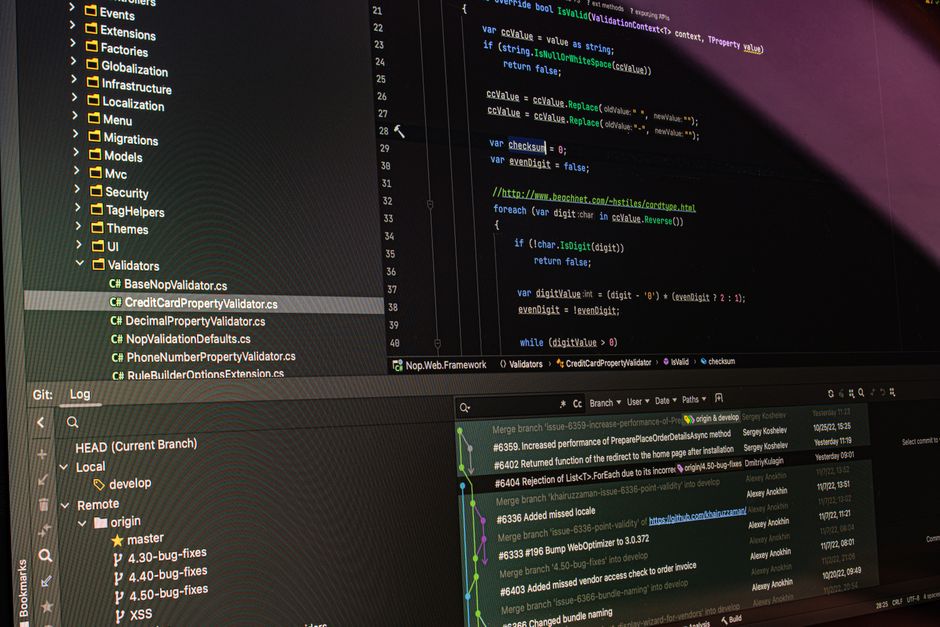
How Do You Submit High-Quality Contributions to Secure Bounty Payments?
Submitting quality work? That’s absolutely vital for getting your bounties accepted and, well, paid. Your coding homework might be graded on just being correct, but in open source, things like readability, how easy it is to maintain, and following project standards matter just as much. So, treat every bounty like a professional gig, even if it feels like another school assignment.
Before you even write a single line of code, make sure you completely understand the requirements. Read the issue description closely, check any existing discussions, and, if you can, ask clarifying questions. Reproduce the bug yourself or really get your head around the feature request. A well-thought-out plan, presented to the maintainers, can often make you stand out from the crowd.
When you finally submit your pull request or merge request, be sure it follows the project’s contribution guidelines. That means adhering to their coding style, commit message formats, and testing procedures. Also, provide clear documentation for your changes, explaining what you did and why. A clean, well-tested, and well-documented contribution is much, much more likely to get accepted quickly.
Communicating Effectively with Project Maintainers
Communication is huge in open-source development. Be proactive! Keep maintainers updated on your progress, especially if you hit a snag or need more time. If your contribution needs some tweaks, be open to feedback and ready to make those necessary adjustments. Professional, respectful interaction builds a good reputation, and that often leads to more opportunities down the line.
Remember, maintainers are often volunteers, and their time is limited. Clear, concise communication helps them review your work efficiently. Don’t make assumptions; instead, just ask for clarification. Building solid relationships within the open-source community can actually be just as valuable as the money you get from bounties.

What Challenges Might Arise When You Try to Monetize Your Coding Homework?
While earning money from your coding homework sounds fantastic, you’ll probably hit a few roadblocks. Knowing about these challenges upfront helps you prepare and deal with them effectively. It’s all part of making it work long-term in the bounty world.
Competition and Complexity
Open-source bounties, especially the well-paying ones, can attract a lot of competition from experienced developers all over the globe. And some bounties involve really complex issues that demand a deep understanding of a project’s codebase, which can feel a bit overwhelming if you’re new. Starting with those “good first issues” helps, but moving up requires persistence.
To get past this, try to focus on niche areas where your specific skills might be more unique. Keep improving your coding abilities beyond what you learn in class. Building a portfolio of accepted contributions, even small ones, will definitely help you stand out. The more you contribute, the better you’ll get at understanding complex systems.
Time Management and Academic Commitments
Juggling bounty work with your school schedule can be tough. Your coding homework already takes a ton of time, so adding external projects means you’ll need to plan carefully. It’s easy to get swamped if you take on too many bounties or just underestimate how complicated they are. Prioritizing is absolutely essential if you want to avoid burnout and keep your grades up.
Try setting aside specific times for bounty work, treating it like another extracurricular activity. Be realistic about what you can actually get done, and don’t overcommit. Small, consistent contributions are usually more sustainable and effective than big, ambitious efforts that just fall apart.
Payment and Legal Considerations
Understanding how payments work and any potential tax implications is important. Some bounties pay in cryptocurrency, which can have fluctuating values and different tax rules depending on where you live. Others might use traditional payment methods but could involve invoicing or specific reporting. Always, always clarify payment terms right from the start.
And hey, be mindful of intellectual property. Even though it’s open-source, your contributions typically fall under the project’s license. Make sure your university’s policies on outside work or intellectual property don’t clash with your bounty participation. Most universities encourage practical experience, but it’s always smart to stay informed.

Future Trends in Open-Source Monetization (2026 and Beyond)
The open-source world is always changing, and with that, your chances to monetize your coding homework are only going to grow. Forecasts for 2026 and beyond point to an increasing need for skilled contributors, especially in newer technologies. Staying on top of these trends can really help you set yourself up for future success.
The rise of Web3 and decentralized applications will probably boost the number of blockchain-related bounties. So, skills in Solidity, Rust, and decentralized protocols are going to be in high demand. And advancements in AI, machine learning, and data science will also create more paid tasks for those of you good with Python, R, and related libraries.
Plus, there’s a growing focus on software supply chain security. That means bounties related to vulnerability research, secure coding practices, and auditing will become more common. As organizations lean more heavily on open-source components, making sure they’re secure and reliable will be a top priority. That’s going to open up some lucrative opportunities for ethical hackers and security-minded developers.
Platforms that facilitate bounty work are also expected to get better. They’ll likely offer slicker tools for project management, collaboration, and secure payment processing. This will make it even simpler for students and new developers to find and contribute to projects, further blurring the lines between learning at school and earning professionally.
Frequently Asked Questions
Can I really monetize my coding homework if I’m still a student?
Yes, absolutely. Lots of students successfully monetize their coding homework by adapting their skills to open-source bounties. You’ll gain both income and invaluable real-world experience this way.
Do I need to be an expert developer to start earning through bounties?
Nope, you don’t need to be an expert at all. Many open-source projects offer “good first issues” or smaller bounties specifically designed for new contributors. They’re perfect for applying that academic knowledge you’ve got.
How much can I expect to earn from open-source bounties?
Earnings vary widely, honestly. It really depends on how complex the task is, your skill level, and how much money the project has. Some bounties might pay $50, while others for really complex features could be worth thousands of dollars.
What if my school project is under a specific license?
Most academic projects don’t have licenses that restrict you from using the skills you’ve learned. But you should always double-check that your contributions to open-source projects follow that project’s license and your institution’s intellectual property policies.
How do I choose which bounty to work on first?
Start with bounties that are closely related to your current coding homework or recent projects. Look for clear descriptions, and definitely pick ones labeled “beginner-friendly” or “good first issue.” That’ll help you build confidence and get a good track record going.