
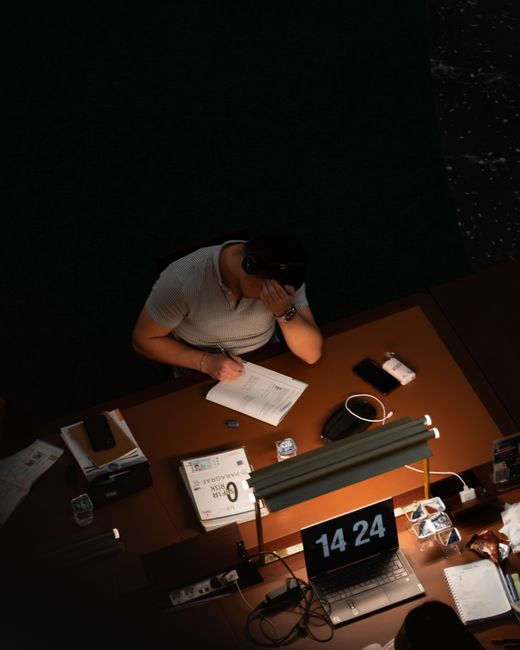
Quick answer: Managing academic burnout is crucial for sustained student well-being and success. It involves proactively recognizing early warning signs like persistent exhaustion and reduced academic performance, implementing structured recovery plans focusing on rest and self-care, and embedding preventative strategies such as effective time management and supportive lifestyle choices to build long-term resilience.
Key Takeaways
- Academic burnout is a state of physical, emotional, and mental exhaustion caused by prolonged or excessive academic stress.
- Early identification of symptoms like chronic fatigue, irritability, and decreased focus is vital for timely intervention.
- Effective recovery involves deliberate rest, seeking social support, and gradually re-engaging with academic tasks.
- Preventative measures include practicing good time management, prioritizing self-care, maintaining healthy lifestyle habits, and fostering a supportive environment.
- Ignoring academic burnout can lead to severe long-term impacts on mental and physical health and academic trajectory.
- Building resilience through adaptive coping mechanisms is key to navigating academic challenges in 2026 and beyond.
Managing academic burnout is key for students who want to stick with their studies and actually feel good doing it. This problem can creep up on anyone, even the most committed students, leaving them completely drained, cynical, and just not effective anymore. So, figuring out what it really is, and how it works, that’s step one to tackling it.
Look, academic burnout isn’t just plain stress. It’s a deep, total exhaustion that hits when academic demands pile up for too long. And it messes with students at every single level, from high school kids to PhD candidates, making it tough to learn, perform, or even just enjoy their studies. Recognizing it and dealing with it? That’s everything.
What are the early warning signs of academic burnout?
Spotting those tiny changes that signal academic burnout early on? That’s your best defense. These signs usually show up in your body, your feelings, and your thinking, telling you that your whole system is just pushed too hard.
How does physical exhaustion manifest?
You’ll feel just dead tired, and it won’t go away, even if you’re getting enough sleep. You might start getting random aches, headaches all the time, or catch every bug going around because your immune system’s shot. Your energy? It’s just GONE, making even tiny things feel like climbing Mount Everest.
Insomnia or just really restless nights pop up too, trapping you in a nasty cycle of tiredness. And if you’re moving less, feeling sluggish, that’s another clear sign your body’s running on empty.

What emotional shifts indicate burnout?
Emotionally, you might snap at people more, feel cynical, or just detach from anything school-related. Maybe you’re always overwhelmed, anxious, or just sad for no real reason. A big red flag? When you stop caring about subjects or hobbies you used to love.
You could also start feeling utterly hopeless or like a total failure, even if your grades are fine. This kind of emotional numbness often pushes you away from friends and family; even talking to them feels like too much work. Oh, and your mood swings? They’ll probably get wilder and happen a lot more often.
Are there cognitive red flags to watch for?
When burnout hits your brain, it really screws up how well you can study. You’ll notice your concentration drops big time, making it impossible to focus in class or when you’re trying to learn something. Forgetfulness becomes a real problem; you’re missing important info or deadlines left and right.
Making decisions gets tough too, so figuring out what’s important or solving problems feels impossible. You might procrastinate way more, struggle to think creatively, or just watch your grades slide. All these brain-fog issues really grind your academic progress to a halt.
Effective Strategies for Managing Academic Burnout
To make it through your academic career without burning out, you’ve really got to be proactive. That means building up solid self-awareness, getting smart about managing your time, and knowing your limits.
How can self-awareness prevent burnout?
If you know yourself well, you’ll spot your personal stress triggers and early warning signs long before they turn into full-blown burnout. Just check in with yourself often: How’s your energy? Your mood? Your focus? Journaling or doing some mindfulness can really sharpen that awareness.
Knowing your own limits and actually saying ‘no’ to extra stuff? That’s a huge protection. Think about what truly recharges you and what just sucks your energy dry, then adjust your schedule. That kind of personal insight builds your core resilience.

What role does time management play in prevention?
Good time management is absolutely essential for keeping burnout at bay. It means building realistic study schedules that actually include breaks and fun stuff, not just endless academics. And using tools like planners, calendars, or apps? They’re brilliant for structuring your day.
Methods like Pomodoro (you know, focused work, then a quick break) can seriously boost your efficiency and stop your brain from getting fried. Make sure you prioritize tasks, hitting the urgent, important stuff first so you’re not scrambling at the last minute. Oh, and don’t over-schedule! Leave some wiggle room for surprises. That’s super important too.
Recovering from Academic Burnout: A Practical Guide
Getting over academic burnout isn’t a quick fix; it’s a whole process. It takes patience, being kind to yourself, and making deliberate choices. You’ve got to step back to heal, and then slowly, carefully, get back into your studies in a way that’s actually healthy.
What immediate steps should students take for recovery?
If you’re feeling burned out, your first, most urgent move is to just step away from schoolwork. That could mean taking a total break, even for just a few days, to really rest and switch off. Getting enough sleep, eating good food, and moving your body a bit are the absolute basics for getting your physical self back on track.
Reach out to friends, family, or a counselor at your university; they can offer emotional relief and make you feel connected again. If you can, try to lighten your course load or push back deadlines for a bit; that’ll take some immediate pressure off. This first stage is all about resetting and dialling down that intense strain you’re under.
How can you rebuild healthy study habits?
Once you start feeling a bit better, you can slowly bring schoolwork back into your life. Begin with short, focused study sessions – maybe 30 to 60 minutes – and only increase them gradually. And build in those breaks, regular and planned, so you don’t get overwhelmed and tired again.
Try some mindfulness, like deep breathing or meditation, before and after you study; it’ll help you focus and calm that anxiety. Also, look at your study methods. Are they actually working? Dump passive learning. And set tiny, doable goals – they’ll bring back your confidence and get you motivated again.
When is professional help necessary for burnout?
You really need professional help when your burnout symptoms are severe, just won’t go away, or mess up your daily life a lot. If you’re feeling hopeless, super anxious, or depressed, or if all your self-help efforts aren’t working, then absolutely talk to a mental health professional.
A good therapist or counselor can teach you coping skills, ways to manage stress, and help you dig into whatever’s really fueling your burnout. They’re also great at figuring out if you’ve got other mental health issues alongside the burnout that might need specific treatment. Good news is, most universities offer free or cheap counseling for students.

Preventing Academic Burnout: Building Resilience for Long-Term Success
For the long haul, managing academic burnout means building resilience and weaving healthy habits right into your daily life. This whole-person approach helps students deal with academic pressures effectively, not just now, but way into 2026 and beyond.
How do lifestyle factors contribute to burnout prevention?
Keeping your lifestyle balanced? That’s probably the most important thing for preventing burnout. Getting enough sleep – seriously, 7-9 hours a night – isn’t optional; it’s essential for your brain and your mood. And good, regular meals fuel both your body and mind, keeping your energy steady and your spirits up.
Moving your body, even just going for a walk, cuts down stress hormones and lifts your mood. Also, try to cut back on caffeine and sugar; they can lead to nasty energy crashes and mess with your sleep. These basic habits build a real shield against academic stress.
What self-care practices support academic well-being?
Doing regular self-care stuff outside of school? That’s absolutely critical for refreshing your mind. Think hobbies, getting creative, spending time outdoors, or just hanging out with people you care about. These things give you that mental break you need and remind you that you’re more than just a student.
Mindfulness and relaxation techniques, like meditation or yoga, are awesome for handling stress. Make sure you schedule specific ‘unplugged’ time – no screens, no schoolwork – to get proper rest and clear your head. If you make these activities a priority, you’ll keep your mental and emotional health humming along.
Can a supportive environment reduce burnout risk?
Having a solid support system around you really cuts down your risk of burning out. Connect with classmates, join study groups, keep those social ties strong. They give you emotional outlets and help you feel like you belong. And sharing your struggles with others? It makes you feel less alone and can offer fresh ways of looking at things.
Don’t forget university resources! Academic advisors, writing centers, student health services – they offer tons of practical and emotional support. Plus, a supportive home environment, whether you live on campus or off, cuts down outside stress and gives you a sense of stability. All these resources together create a real safety net for students.

Frequently Asked Questions
What is the main difference between stress and academic burnout?
Stress means you’re over-engaged – feeling rushed, hyped up, maybe even a bit manic. Burnout, though, is the opposite: total disengagement, which leaves you feeling helpless and hopeless. With stress, you’re overwhelmed but still have some gas in the tank; with burnout, you’re completely drained and just don’t care anymore.
How long does it take to recover from academic burnout?
Recovery time really differs. It depends on how bad the burnout was, how long it lasted, and what you’re doing to get better. For mild cases, it might be a few weeks. But for severe, long-term burnout, you could be looking at several months or even longer. Sticking with self-care and getting professional help can definitely speed things up.
Can academic burnout affect my physical health?
Oh, absolutely. Academic burnout can mess with your body big time. We’re talking chronic fatigue, headaches all the time, stomach problems, a weakened immune system that makes you sick more often. And if you’ve already got health issues, burnout can make them a lot worse.
Are some students more prone to academic burnout than others?
Yeah, definitely. Some students are just more vulnerable. Think perfectionists, super competitive types, folks who are really hard on themselves, or anyone dealing with big money worries or personal struggles. And if you don’t have good coping skills or a solid support network, your risk goes up too.
What resources are available for students experiencing burnout?
Most schools have a ton of resources. We’re talking counseling, academic advisors, health centers, and peer support groups. And beyond that, you’ll find lots of online resources, mental health apps, and outside therapy services available to help.