

Quick answer: The pain of discipline vs. the pain of regret? It’s a basic choice for students: either you deal with some short-term discomfort for real, lasting growth, or you end up with that heavy, nagging sorrow from all the chances you let slip by. Being disciplined now builds a solid base for strong grades, crucial skills, and a better future. And honestly? It’ll feel a whole lot better than carrying the weight of regret later on.
Key Takeaways
- You’re always choosing between what’s easy right now and what’ll actually help you later.
- Discipline means tough choices today that pay off big in your grades and your life down the road.
- Regret? That’s what happens when you don’t act, or when you make bad calls. It shows up as all those missed chances and unreached goals.
- Being disciplined builds toughness, sharpens your skills, and just makes you feel better overall.
- Things like setting clear goals, managing your time, and building good habits can make discipline much easier to stick with.
- Yeah, discipline can be uncomfortable. But its long-term rewards? They absolutely crush that temporary pain.
Every student hits a fork in the road. Do you take the easy path, the one that feels good right now but often leads to regret? Or do you pick discipline, the one that promises real rewards down the line? You really need to get the difference between the pain of discipline vs. the pain of regret. It’s key for doing well in school and growing as a person.
This article isn’t just about ‘why discipline.’ It’s about why choosing that harder road, even with its initial discomfort, is the most powerful thing you can do for your future self. You’re not just letting things happen. You’re taking charge, shaping your own path.
Why Face the Pain of Discipline vs. The Allure of Immediate Gratification?
Our brains are wired for instant rewards. It’s a survival thing, straight from ancient times. But our world in 2026 is complex, sure, and that urge can totally sabotage your long-term goals. Choosing the pain of discipline vs. the allure of immediate gratification means you’ve got to shift how you see things.
It means realizing that short-term comfort often comes with a heavy, long-term cost. True freedom comes from self-control, not from just giving in to every impulse.
What is the true cost of procrastination?
Procrastination? It’s basically giving in to what feels good right now. And its true cost goes way past missed deadlines or bad grades. It eats away at your self-trust, ramps up your anxiety, and can leave you feeling like you’re not good enough.
In 2026, employers and universities want people who are tough and can solve problems without being told. Chronic procrastination just kills those traits. So, your future self usually pays the price for what you don’t do today, creating a nasty cycle of stress and underperformance.
How Does the Pain of Discipline vs. The Agony of Regret Manifest in Academia?
For students, school is a constant testing ground for this basic choice. Skipping study sessions for social stuff or putting off project work feels easier in the moment. Yet, that path always ends up with that deep, painful regret.
Imagine facing crucial exams in 2027 knowing you just squandered all those chances to prepare. This is where the pain of discipline vs. the agony of regret becomes super obvious: one is a productive struggle, the other a debilitating burden.

What strategies help embrace discipline effectively?
Being disciplined doesn’t mean you have to turn into a robot; it just means using smart strategies. Take the Pomodoro Technique, for instance. It breaks study time into manageable 25-minute intervals, which makes focusing hard feel way less daunting. And time blocking your schedule ensures you’ve got dedicated slots for schoolwork, stopping distractions from eating up your productive time.
Setting SMART goals (Specific, Measurable, Achievable, Relevant, Time-bound) gives you clear goals and helps you stay motivated. Instead of “I’ll study more,” try “I will complete chapter 3 of biology by Wednesday evening.” Building accountability, maybe through study groups or regular check-ins with a mentor, just makes you more committed to those goals.
Building Resilience: A Lifelong Skill for Students
Discipline isn’t just about getting tasks done; it’s about building mental toughness. Each time you push through discomfort to complete a difficult assignment, you’re strengthening your resilience. This ability to bounce back from setbacks and keep going through challenges is so important.
The world’s changing fast, especially by 2026. This resilience skill? You’ll need it to navigate careers and personal lives. Discipline’s like your personal training ground for that.

How can students cultivate a growth mindset?
You really need a growth mindset to grab hold of discipline. This means seeing tough spots as chances to learn, not as brick walls you can’t get over. When faced with a difficult subject, a student with a growth mindset believes their intelligence and abilities can grow through hard work and dedication.
They know that mistakes are part of learning, offering valuable feedback rather than being signs of failure. So, that ‘pain’ of discipline? It suddenly feels like purposeful effort, like you’re actually working toward mastering something.
The Ripple Effect: Discipline’s Impact Beyond Grades
Discipline isn’t just for your grades. It trickles down. Being disciplined about school means you’ll be disciplined in other parts of your life too. That means better money management, better physical health because you actually exercise regularly, and stronger friendships and relationships because people can count on you.
Recruiters in 2028 will still be looking for people who aren’t just smart, but who can manage themselves and really work hard. That’s what happens when you pick discipline over regret.
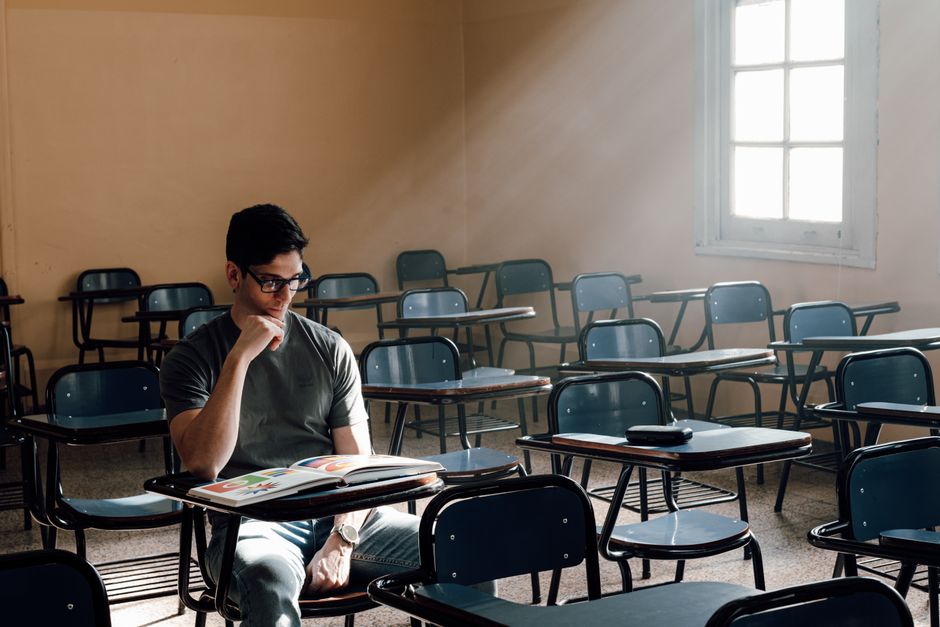
What does a disciplined student’s future look like in 2026 and beyond?
Someone who’s disciplined in 2026? They’re setting themselves up for more options and less stress. They’ll probably get those internships, snag spots in top grad programs, and kick off great careers. Steady effort helps them truly get things, sparking new ideas and leadership qualities.
Beyond professional achievements, they build healthy habits – good sleep, regular exercise, hobbies they love. So, they end up with a balanced, fulfilling life, without that nagging ‘what if’ feeling.
Practical Steps to Incorporate Discipline Starting Today
To build lasting discipline, start small. That’s the secret. Don’t try to change everything at once. Begin with one specific, achievable goal, like studying for 30 minutes every morning before class, or finishing a challenging assignment chunk before dinner. Early on, being consistent beats being intense every time.
Figure out your ‘why’ – what really motivates you to chase your goals. Is it to get into a specific university, to gain a certain skill, or to make your family proud? When discipline ties into a deeper purpose, the effort feels more meaningful, and you’re more likely to stick with it.

How do I overcome initial resistance to discipline?
You’ll feel uncomfortable at first. That’s just part of getting over that initial resistance. Think of it like a muscle; you’ve got to train it. Break huge tasks into tiny, manageable steps, and celebrate every little win. Grab an accountability partner who’s on the same wavelength, and check in often.
Picture how good things will be if you’re disciplined. And then picture the mess if you just give in to what’s easy. Tell yourself: this temporary discomfort isn’t a punishment. It’s an investment in your future self.
Frequently Asked Questions
What is the main difference between the pain of discipline and the pain of regret?
The pain of discipline? That’s a short, even productive, discomfort you feel when you’re working hard and growing. But the pain of regret? That’s a heavy, long-lasting emotional weight from all those chances you let go, or the bad decisions you made.
How can students make discipline a habit instead of a chore?
Start small. Do the things you want to make habits, over and over. Connect discipline to what you really care about – your ‘why.’ And don’t forget to reward yourself when you stick with it.
Does embracing discipline mean sacrificing all fun and social life?
No, not at all! Being disciplined means you’re smart about where you put your time and energy. You get the important stuff done, and then you’ve actually earned that guilt-free fun with friends or your hobbies.
What are some common pitfalls when trying to be disciplined?
People often set goals that are way too big. Or they try to change everything at once. Maybe they don’t have a clear ‘why,’ or they just give in to distractions. And sometimes, they don’t have anyone holding them accountable.
How does discipline impact mental health in students?
Discipline helps your mental health a lot. It cuts down the anxiety from procrastinating, builds your confidence, and makes you feel more in control of your life. Plus, hitting your goals just feels good, right? That boosts your self-esteem.
When should a student prioritize discipline over immediate enjoyment?
Look, you should pick discipline over immediate fun when the long-term payoffs – like good grades, new skills, or amazing future opportunities – are way bigger than that short burst of pleasure you’d get from goofing off.