
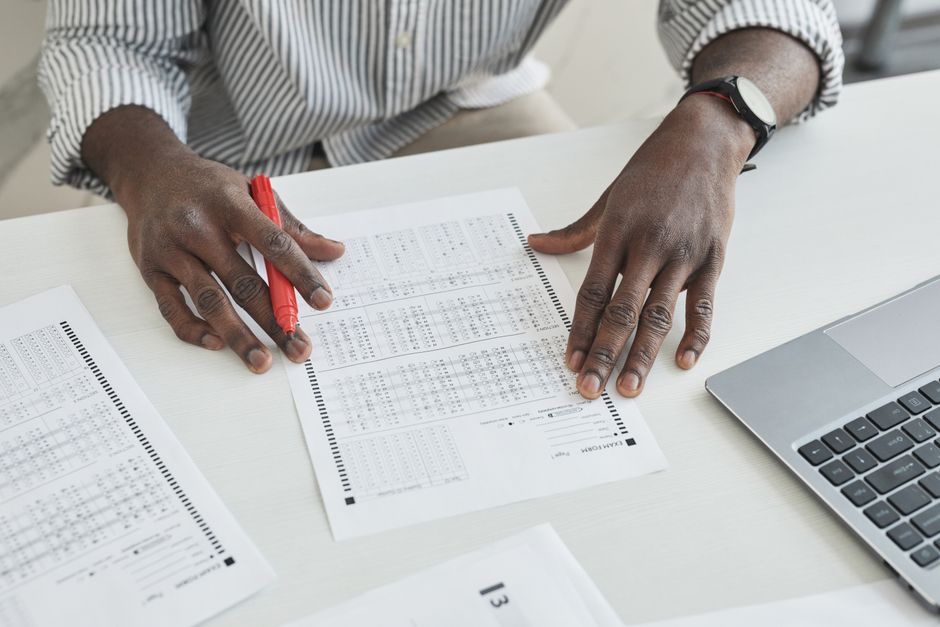
Quick answer: The two-pass exam strategy is a highly effective test-taking technique designed to significantly improve performance on timed multiple-choice examinations. It involves systematically reviewing the entire exam twice, first to answer all easy questions and identify difficult ones, and then to tackle the harder questions with a fresh perspective and optimized time allocation.
Key Takeaways
- The two-pass exam strategy optimizes time management and reduces stress during multiple-choice tests.
- It involves a rapid first pass to secure easy points and identify challenging questions.
- A strategic second pass focuses on solving the more complex problems, often with fresh insights.
- This method builds confidence and helps prevent getting stuck on difficult questions.
- Practicing the two-pass approach is crucial for mastering its benefits before high-stakes exams.
So, What is the Two-Pass Exam Strategy, and Why Bother With It?
The two-pass exam strategy? It’s simply a smart way to take timed multiple-choice tests. You’re trying to get the best score possible, right? Well, this method helps you do that by making sure you manage your time and brainpower really efficiently. It basically splits your exam into two distinct phases, giving you a structured, strategic way to tackle every question. And it directly addresses those common frustrations: getting bogged down on a super tough question or running out of time for the easy ones you actually know.
But why does it work so well? It’s all about being efficient and cutting down on mental fatigue. You answer the questions you know cold first, which snags you easy points and builds real momentum. Then, when you come back for the second pass, you can fully concentrate on the trickier items. Often, just doing that first sweep gives you a new perspective or even triggers an idea for those harder problems.
How Do You Actually Use the Two-Pass Exam Strategy?
Putting the two-pass exam strategy into practice needs some discipline and, yes, some practice. But the steps themselves are pretty straightforward. It just makes sure you don’t miss out on any easy points because you’re short on time or just drawing a blank. This structured approach can actually turn test anxiety into a methodical path to success.
The “First Pass”: What You Need to Do and Focus On
Your first pass is a quick, high-level sprint through the entire exam. Here, your main goal is to answer every question you know instantly and confidently. If a question needs a lot of thought, some calculating, or just looks totally unfamiliar, mark it and move on. Don’t linger. Seriously, just move on.
Keep a really brisk pace. Grab those easy points first. They’re quick and they add up. If you see a question where you can immediately knock out one or two wrong answers, do it. Then, even if you don’t pick a final answer, just keep going.
Marking questions for your second pass is absolutely vital. You need a clear system. Maybe circle the question number, or jot a specific note on your scrap paper. Whatever it is, make it consistent. This prevents you from wasting time re-reading questions you already decided were too hard for the first round.
This initial pass should cover about 80-90% of the exam questions. And try to do it within roughly half to two-thirds of your total time. Say you’ve got an hour for the test? Aim for 30-40 minutes on that first pass. You’re basically grabbing all the low-hanging fruit and figuring out where your real battles are going to be.
The “Second Pass”: Your Approach to the Tough Stuff
Okay, the second pass is when you revisit all those questions you marked as difficult or skipped earlier. You’ve already handled the easy ones, so that pressure’s gone. Now you can give your full attention and remaining time to these more challenging problems. Sometimes, your brain even works on these subconsciously in the background.
Start by reviewing your marked questions. For each one, read it carefully. Re-think the options. Bring out all your multiple-choice strategies. This might mean doing detailed calculations, really digging into the question itself, or using logic to eliminate any remaining wrong answers.
Remember those options you narrowed down in the first pass? Now’s the time to use that work. It’s cool how sometimes, answering other questions in the exam can actually spark a memory or give you context that helps solve a question you previously struggled with. And that mental relief from finishing the easier questions? It often gives you a much clearer head for problem-solving.
Why Does Smart Time Management Make or Break the Two-Pass Exam Strategy?
Good time management is the absolute backbone of the two-pass exam strategy. Without a clear plan for each pass, the whole thing just falls apart. Lots of students fall into the trap of spending way too long on one tricky question. And what happens? They sacrifice points on easier questions later in the test. This method stops those critical mistakes dead in their tracks.
Before the exam even starts, take a quick look at how many questions there are and how much time you’ve got. Then, mentally (or scribble it down if allowed) divide your time. If it’s a 100-minute exam with 50 questions, maybe aim for 50-60 minutes on that first pass, leaving 40-50 minutes for your second. This kind of planning ahead is a game-changer for test performance, especially in 2026.

How to Prioritize Questions in Each Pass
Prioritizing in the first pass is simple: answer what you know fast, skip what you don’t. Think of it like harvesting the easiest crops first. This way, you collect all the accessible points, which usually make up most of an exam’s total score. Don’t second-guess yourself too much here; trust your initial gut feeling on the straightforward stuff.
But in the second pass, your priority shifts to those marked questions. If you’ve got a bunch, maybe start with the ones you feel are ‘moderately’ difficult – the ones you have a good chance of figuring out. Save the truly baffling questions for last. They can eat up a ton of time with little to show for it. Sometimes, it’s better to just make an educated guess on the hardest ones if you’re really running out of time.
The Perks: What You Gain by Using the Two-Pass Exam Strategy
It’s not just about managing time. The two-pass exam strategy offers some serious benefits that help you get higher scores and actually have a better test-taking experience. These advantages really add up to create a powerful approach for those challenging exams.
How It Calms Your Nerves and Boosts Your Confidence
Test anxiety often comes from fearing the unknown, or feeling completely overwhelmed by hard questions. But when you use the two-pass exam strategy, you immediately take control. Finishing that first pass, even if you skipped a lot, gives you a sense of accomplishment and clarity. You answered what you could, you secured those points, and now you know exactly what’s left.
This systematic progress really builds confidence. You aren’t just staring at a blank page or getting stuck in the mud. Instead, you’re actively following a plan. Knowing you’ve already correctly answered a big chunk of the test can seriously cut down on stress. And that lets you think more clearly and creatively about the tougher problems. That mental boost from locking in easy points? You just can’t overstate it.
How It Makes You More Accurate and Helps You Avoid Silly Mistakes
The structured nature of the two-pass exam strategy naturally leads to better accuracy. In that first pass, you’re less likely to make careless errors on easy questions. Why? Because you’re moving fast, and you’re focused on quick recognition. There’s no pressure to “solve everything” right then, and that helps.
For the second pass, you’ve got dedicated time for difficult questions. That allows for careful review and recalculation if you need it. You can re-read questions more thoroughly, double-check your work, and really consider all the options. This built-in double-check system significantly reduces those careless mistakes that often happen when you’re rushing or just feeling overwhelmed. It gives you a buffer against initial misinterpretations or hurried math.
Does the Two-Pass Exam Strategy Help You Think Critically?
Absolutely, it does. The two-pass method improves critical thinking by giving your brain some breathing room and reducing the mental load during both stages. In the first pass, by quickly spotting what you know, you’re efficiently sorting and recalling information. You’re making quick, confident decisions.
Then, in the second pass, with more time and less overall exam pressure, you can really dig into deeper analytical thought. You can break down complex questions, weigh the nuances of the answer choices, and use your higher-order thinking skills. This separation lets you use different parts of your brain effectively: rapid recall in the first pass, and then deeper analysis in the second. This smart allocation of mental resources could easily be the deciding factor for getting top scores in 2026.
Watch Out! Common Pitfalls and How to Dodge Them When Using the Two-Pass Exam Strategy
Look, the two-pass exam strategy is super effective, but it’s not magic. Students still make common mistakes that can totally undermine its benefits. Knowing these traps and actively working to avoid them is key to your success.
How to Avoid Spending Too Much Time on the First Pass
This is probably the biggest pitfall: lingering too long on questions during the first pass. It’s so tempting to try and solve a moderately tough question right away. But that completely defeats the purpose of the strategy. That first pass has to be quick and decisive.
To avoid this, set a strict mental timer. If a question isn’t answered within, say, 30-60 seconds (depending on the subject and question type), mark it and move on. Don’t get caught up in long calculations or deep critical analysis at this stage. Trust that you’ll come back to it with a fresh perspective and dedicated time. Practice this timing during mock exams, seriously.
What Happens if You Don’t Mark Questions Clearly for the Second Pass?
A sloppy marking system can lead to massive confusion and waste precious time during your second pass. If you can’t quickly spot which questions need your attention, you’ll end up re-reading questions you already answered or frantically searching for the ones you skipped.
So, come up with a clear, consistent marking system. This could be a simple circle around the question number on the test paper, a specific symbol next to it, or just writing down the question numbers on your scrap paper. Whatever you choose, make sure it’s easy to see and understand instantly when you switch to that second pass. Consistency here is everything.

Is It Possible to Run Out of Time on the Second Pass?
Yep, absolutely. It’s totally possible to mismanage your time and find yourself short during the second pass. This happens especially if the first pass took longer than you planned, or if there’s an unexpectedly high number of really tough questions. And then what? You end up rushing through complex problems or making desperate, uninformed guesses.
To keep this from happening, always keep an eye on the clock during both passes. If you notice you’re falling behind in the first pass, speed up your skipping. During the second pass, prioritize the questions you have the best chance of solving. If time really is running out, don’t be afraid to make educated guesses on the remaining questions instead of leaving them blank – unless there’s a penalty for incorrect answers, of course.
Frequently Asked Questions
What kind of exams is the two-pass strategy most effective for?
This strategy works best for timed multiple-choice exams where questions vary in difficulty, and there’s no penalty for incorrect answers. It’s particularly useful for standardized tests, certification exams, and academic assessments.
Should I guess on questions I don’t know during the first pass?
Generally, no. During the first pass, only answer questions you know with high confidence. For questions you’re unsure about, mark them for the second pass. If there’s no penalty for guessing, you can make educated guesses on remaining questions at the very end of the exam if you run out of time.
How much time should I dedicate to each pass?
A common guideline is to allocate 50-70% of your total exam time to the first pass and 30-50% to the second. For example, in a 60-minute exam, aim for 30-40 minutes on the first pass and 20-30 minutes on the second, including a final review.
Can this strategy be used for essay questions or open-ended exams?
While the core idea of reviewing and prioritizing can apply, the strict two-pass structure isn’t really relevant for essay or open-ended exams. For those, a “plan and review” strategy is better: outline your answers first, then write, and finally proofread.
What if I find myself spending too much time on a marked question in the second pass?
If you get stuck on a marked question during the second pass, apply the same principle from the first pass: mark it again with a different symbol, maybe for a ‘third look’ if time allows, and move on. Don’t let one question eat up too much of your remaining time.