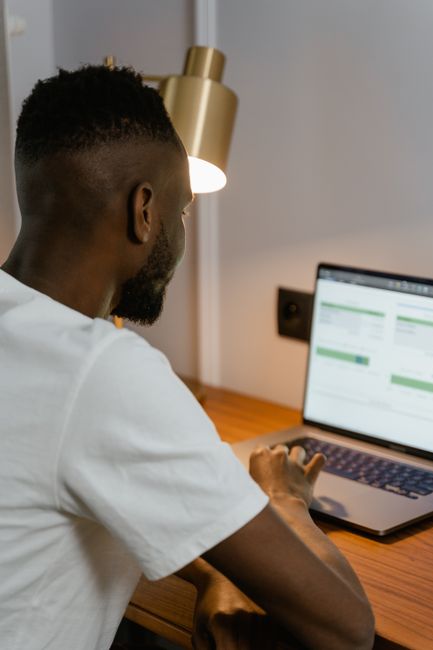
Quick answer: An early morning rise isn’t just a habit; it’s a strategic advantage. You get to tap into your best brainpower, cut out distractions, and kickstart your day with purpose. That quiet, focused time lets you tackle complex stuff, think clearly, and get a real head start. It seriously ramps up your productivity, sparks creativity, and just makes you feel better, setting you up for top-tier performance and quicker wins in whatever you’re doing.
Key Takeaways
- Waking up early often syncs with your body’s natural clock, meaning better sleep and more energy.
- Those quiet, early hours? They’re perfect for deep work, letting you really focus without interruption.
- Plenty of successful folks point to their consistent, productive morning routines as a big reason for their achievements.
- Want to be an early riser? You’ll need to ease into it and get serious about good sleep habits.
- Using your mornings wisely means you can plan ahead and knock out your most important tasks first.
- And that strategic time investment? It gives you a real leg up, professionally and personally.
Why Does an Early Morning Rise Lead to Greater Success?
People often talk about an early morning rise like it’s some kind of superpower for high achievers. And honestly, it kind of is. It gives you this special window, before the world gets noisy, to really get things done and grow. Turns out, there’s a lot of science backing up why this habit helps you succeed.
Think about it: those first hours of the day are usually email-free, social media-free, and just generally quieter. That means way fewer distractions, making it a prime time for diving deep into work or solving tough problems. Researchers studying our body clocks, or chronobiology, often find that most of us are at our sharpest mentally in the morning. So, yeah, that makes it ideal for heavy-duty thinking.
But it’s not just about fewer interruptions. Your body’s helping you out too. Cortisol, which usually gets a bad rap as a stress hormone, can actually give you a helpful jolt in the early hours. It’s a natural pick-me-up that boosts alertness and energy. If you lean into that natural readiness, you’ll find yourself way more productive and making better calls all day. By 2026, that kind of edge will be non-negotiable.
The Body Benefits from an Early Morning Rise
Getting your schedule in sync with your circadian rhythm – that’s your body’s internal clock – is huge for feeling great and performing well. A consistent early morning rise helps set that rhythm, improving your sleep quality overall. When you stick to it, your body gets better at producing melatonin, which means you fall asleep easier and wake up feeling genuinely refreshed.
Your brain really thanks you for it, too. When you wake up naturally with the sun, your brain just seems to kick into gear faster. Many people report better memory, sharper focus, and improved analytical skills. I’ve heard countless successful professionals say they do their best, clearest thinking and get their most creative ideas first thing in the morning.
Plus, starting your day intentionally, on your terms, can seriously dial down stress. Instead of rushing headlong into tasks, an early start lets you plan ahead and tackle challenges before they blow up. That proactive approach builds resilience and gives you a real sense of accomplishment, setting a positive, confident tone for the entire day.

How to Start Waking Up Early, Consistently
So, you want to be an early riser? Understand that it’s a marathon, not a sprint. You won’t just flip a switch. It takes deliberate effort and small changes to your current habits. Try pushing your wake-up time back by just 15 minutes each week. Keep that up until you hit your sweet spot.
And here’s a big one: good sleep hygiene is absolutely critical. That means making your bedroom dark, cool, and quiet. You’ll also want to cut out caffeine and big meals close to bedtime. Sticking to a consistent bedtime, even on weekends, helps train your body’s natural rhythm. That makes those early wake-ups much less painful.
Finally, know why you’re doing it. Having a clear goal for your morning hours is a powerful motivator. If you know exactly what you’re going to accomplish, or what you’ll enjoy with that extra time – maybe it’s exercise, meditation, planning, or creative work – it makes getting out of bed way more appealing. That compelling reason is what’ll stop you from hitting snooze.
What Are the Best Practices for Consistent Early Wake-Ups?
Consistency really is the magic word for an early morning rise. Try to wake up at the same time every single day, Saturdays and Sundays included. This solidifies your circadian rhythm. It also stops that annoying “social jet lag,” where your body’s internal clock gets totally confused by weekend lie-ins.
Make your bedroom a sleep sanctuary. Blackout curtains are a godsend, as is a good mattress. Keep the room cool, somewhere between 60-67°F (15-19°C), for optimal sleep. If noise is an issue, a white noise machine can work wonders for deeper rest.
And watch out for blue light before bed. Your phone, tablet, and computer screens blast out blue light that tells your brain to stay awake by messing with melatonin production. So, try to ditch screens at least an hour before you plan to sleep. Grab an old-fashioned book instead.

Outworking the Competition: Strategic Advantages of an Early Morning Rise
The biggest perk of an early morning rise? You get this incredible, uninterrupted block of time for truly strategic work. While everyone else is still hitting snooze or just barely starting their coffee, you could be deep into your most important tasks. This means you can plan proactively, tackle those gnarly problems, and kick off projects with a clear head, all before the day’s demands even show up.
That head start directly translates into a competitive advantage. Imagine having your whole day’s priorities sorted, your toughest reports drafted, or your key strategies polished before 9 AM. That kind of efficiency doesn’t just boost your own output; it makes you look like a more dependable, prepared professional in any team or industry. Believe me, by 2026, companies will increasingly be looking for employees who show that kind of self-driven productivity.
Plus, an early start carves out dedicated time for personal growth – something that usually gets shoved aside during busy workdays. Whether you’re learning a new skill, hitting the gym, or practicing mindfulness, these activities seriously contribute to your overall well-being and sharper thinking. Investing in yourself before the workday even begins ensures you’re always growing, and that’s what truly sets you apart from peers who just put it off.

Maximizing Your Early Morning Rise: Tools and Techniques
To really get the most out of your early morning rise, you’ll want to layer in some smart productivity tools and techniques. Time blocking is a fantastic one: you literally block out specific chunks of time for specific tasks. This guarantees your most important work gets done during your peak hours. It cuts down on procrastination and helps you really focus deeply.
Techniques like the Pomodoro Technique can also supercharge your concentration. You work for 25 focused minutes, then take a short break. It helps keep your mental energy up and prevents burnout, so you can stay productive throughout your early morning session. Using these structured approaches ensures you’re squeezing every drop out of that quiet time.
Don’t forget your body in all this. Hydration is key – a big glass of water first thing kickstarts your metabolism and brain function. And a balanced breakfast, full of protein and complex carbs, gives you lasting energy without a sugar crash, fueling that early morning productivity.
Mindfulness and meditation? They can do wonders for your morning clarity. Even just 5-10 minutes of quiet reflection or breath work can clear out mental clutter and help you manage your emotions better. It sets your mind up for the day, sharpening your focus and decision-making skills. And here’s a big tip: avoid checking emails or social media immediately. That keeps your early hours truly productive, not reactive.

Frequently Asked Questions
Is an early morning rise suitable for everyone?
Look, it’s incredibly helpful for many, but our internal clocks aren’t all the same. If you’re naturally a “night owl,” you might find it tough. But with gradual changes and consistent effort, most people can still see some pretty big improvements.
How long does it take to establish a new early morning routine?
Generally, you’re looking at about 30 to 60 days of really consistent practice. Pushing through that initial discomfort is the key to making the habit stick and truly feeling its benefits.
What if I feel tired after an early morning rise?
If you’re tired, it probably means you’re not getting enough quality sleep, or not enough sleep period. Make sure you’re aiming for 7-9 hours of good rest. Optimize your bedroom environment and definitely ditch blue light before bed.
Should I still wake up early on weekends?
Yes, absolutely. Keeping your wake-up time consistent, even on Saturdays and Sundays, really helps solidify your circadian rhythm. Messing with it too much can give you “social jet lag,” which makes Monday mornings feel extra brutal.
What are some practical tips for overcoming the snooze button?
Try putting your alarm clock across the room. Make your bed right after you get up. And most importantly, have a genuinely exciting morning activity planned. That creates friction against snoozing and gives you a good reason to get out of bed.
Can an early morning rise really impact my career trajectory?
You bet it can. All that extra productivity, less stress, and time for personal development that comes from an early morning rise? It leads to better performance, you pick up skills faster, and you build a stronger professional reputation. That really can shift your career trajectory, especially by 2027.