Quick answer: To really prepare for open-book exams, you’ve got to ditch rote memorization. Instead, focus on building a smart, organized system for your notes and materials. This means indexing key concepts, marking up your texts, and knowing exactly where to find information fast when the clock’s ticking.
Key Takeaways
- Open-book exams check if you get it and can use it, not just if you’ve crammed facts.
- Organizing your study stuff well? That’s the most important prep step you’ll take.
- A good index or table of contents for your notes will save you tons of time during the exam.
- Smartly highlighting and noting your textbooks and notes makes vital info easy to grab.
- Practice with mock exams under timed conditions. It builds speed and calms your nerves.
- Time management during the exam is crucial; don’t waste precious minutes just searching.
Why is organization key when you prepare for open-book exams?
Look, when you prepare for open-book exams, you need to understand something fundamental: these tests check your understanding and how you apply it, not just what you’ve memorized. Simply having your notes open isn’t a magic pass. A well-organized system transforms those scattered resources into powerful tools. Without good organization, you’ll drown in a sea of information, turning your exam into a frantic, time-sucking hunt.
How does good organization save time during an exam?
Good organization directly translates into saving loads of time during the actual exam. And every minute counts, right? Knowing exactly where that definition, formula, or case study lives prevents you from panicking. It lets you focus on thinking critically. A structured approach means you’ll spend your exam time crafting answers, not aimlessly flipping pages.
What materials should you organize for open-book exams?
For open-book exams, pull together everything: lecture notes, textbook chapters, assigned readings, any handouts. Get it all into one place, whether that’s a physical binder or a set of digital folders. Label and categorize sections clearly. That way, finding what you need feels natural and quick.

What strategies help you prepare for open-book exams well?
Getting ready for open-book exams isn’t just about reviewing material. It asks you to actively manage your information. Your goal? Build a knowledge base that’s super easy to access, even when you’re under pressure. This means using specific techniques to make finding and understanding information a breeze.
How can you create a powerful index or table of contents?
Creating a good index or table of contents? That’s probably the most important thing you’ll do when you prepare for open-book exams. Think of it as your personal, stripped-down guide to all your study materials. It’ll list every key topic, formula, concept, even specific page numbers. This index is your exam’s GPS, pointing you straight to the info you need.
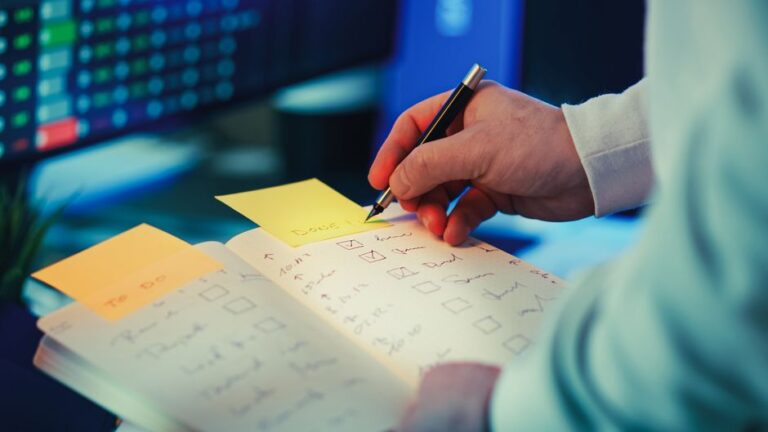
Start by jotting down all the main themes, definitions, and theories from the course. For each one, write down the exact page numbers from your textbook or lecture notes. Organize it alphabetically or by course topic — whatever works best for you. Some students even color-code their index based on how hard or important something is.
What are the best annotation techniques?
Annotation means you’re actively working with your text. You highlight, underline, and scribble notes in the margins to pull out key information. For open-book exams, this isn’t about highlighting everything. You need to be selective, purposeful. Focus on main ideas, important definitions, counter-arguments, and cross-references to other sections.
Try using different colors or symbols. Maybe definitions are blue, examples green. Write short summaries or questions in the margins next to tough paragraphs. This doesn’t just help you find things fast; it also deepens your understanding as you study.
Should you practice with mock open-book exams?
Absolutely, yes. Doing mock open-book exams is a must-do part of your preparation. This lets you test your organization system under timed conditions. You’ll find out what’s weak before the real deal. Plus, you’ll get used to the pace and pressure of the exam, making you faster.
Dig up old exams or make up your own practice questions. Try to match the actual exam’s format and difficulty. During your mock exam, really use your organized notes and index. Pay attention to how long it takes to find things. Then, refine your indexing system based on where you wasted time. You’ll be ready for 2026.

How to Handle the Exam Itself?
Even with great prep, the open-book exam still demands a smart approach to use your time and resources well. This isn’t your chance to learn the material. It’s about showing what you know, using your organized tools. How you handle the exam is just as important as how you got ready for it.
What’s the best way to use your resources during the exam?
Don’t read your resources cover-to-cover during an open-book exam. That’s a trap. Instead, use your organized materials as reference guides. Confirm facts, find specific data, or just jog your memory on tricky concepts. Your carefully built index will shoot you straight to the right sections, so you don’t have to scan endlessly.
First, make sure you understand the question. Then, start forming an answer based on what you already know. Only then should you look at your resources to fill in gaps, grab a quote, or double-check details. And don’t just copy big chunks of text. Most exams want you to put things together and think critically, not just transcribe.
How can you manage your time wisely during open-book exams?
Time management is everything in an open-book exam. First, quickly scan all the questions. Allocate time for each based on its weight and how complex it seems. If a question needs a lot of resource hunting, build that extra search time into your plan. And stick to your time limits, no excuses.
Stuck on a question that needs a huge search? Make a quick note, move on, and come back to it if you have time. Don’t get lost trying to find one tiny, obscure fact if it means you won’t finish other questions. Your goal is to answer as many questions accurately as possible within the given time, using your organizational tools smartly.

Beyond the Basics: More Advanced Tips to Prepare for Open-Book Exams
Organization and strategy are your foundation for success, no doubt. But some advanced tactics can fine-tune how you tackle open-book exams even further. These tips dig deeper into understanding and planning ahead, making sure you’re not just ready for the exam, but truly excel.
How can you guess exam questions to organize better?
Guessing exam questions means really understanding your professor’s teaching style and what the course is really about. Pay close attention to what they emphasize in lectures, themes that keep popping up in readings, and any concepts that felt particularly tough. If past exams are available, review them. They often give you big clues about question types and what to focus on.
Once you’ve got a list of possible questions, weave them right into your organizational system. You might make a section in your index called “Possible Exam Questions” and link each one to where its answer can be found. That kind of proactive thinking will make your search process way smoother during the exam itself.
What role does conceptual understanding play, even with resources?
Conceptual understanding still matters a ton in open-book exams, even if you’ve got every resource at your fingertips. These exams are designed to see if you can apply ideas, analyze situations, and connect information – not just find facts. Without truly grasping the basics, your resources won’t do you much good.
For instance, knowing a definition is one thing. But understanding what it means, and how it connects to other ideas? That’s another beast entirely. Your organizational work should support this deeper understanding. It lets you quickly reference fundamental knowledge as you build complex arguments or solve tough problems. That deep understanding is what separates the top performers in 2026.

Why bother with a “cheat sheet” even for open-book exams?
Making a “cheat sheet,” even for an open-book exam, is actually a super effective study method. This isn’t about cheating, obviously. It’s about a final, concentrated review and synthesis of the most crucial stuff. The act of squeezing huge amounts of material onto one page forces you to zero in on what’s absolutely essential.
This sheet usually has key formulas, definitions, vital dates, names, or a summary of complex processes. Sure, you’ve got all your materials. But this cheat sheet acts as a quick-reference guide for the info you’ll use most often. It saves you precious seconds during the exam. It’s your own personal, super-condensed index of your most vital knowledge.
Frequently Asked Questions
What’s the biggest mistake students make with open-book exams?
The biggest mistake? Thinking “open-book” means you don’t need to prepare. This often leads to panicked, real-time searching instead of using an organized reference system.
Is it better to use physical or digital notes for open-book exams?
It really depends on what you like and if the exam has rules. Digital notes let you search fast. But physical notes, if they’re well-indexed, can be quicker for visual learners.
How much time should I spend organizing versus just studying content?
Try to weave organization into your studying. As you learn new material, immediately organize and index it. Aim to spend about 20-30% of your total study time refining that system.
Can I highlight my textbook for an open-book exam?
Yep, highlighting and annotating your textbook is a great idea. Just make sure you do it smartly, not excessively. Focus on those key concepts and definitions.
Should I retype my notes to make them more organized?
Retyping notes can help if it makes them clearer, shorter, and more logical. But don’t waste too much valuable study time doing it. Be efficient.