
Quick answer: To create an unstoppable homework checklist, break down assignments into smaller steps, block out realistic time slots for each task, and regularly review and tweak your routine. This approach makes sure you track and finish all your schoolwork smoothly, seriously cutting down on stress and boosting your grades.
Key Takeaways
- A consistent homework checklist really helps you manage your time and chills out that school stress.
- Good checklists mean taking big assignments and chopping them into smaller, easier steps.
- You absolutely need to set specific homework times and build in some buffer room.
- Regularly looking at and adjusting your checklist keeps it fresh and actually useful.
- Using digital tools and having a good study space can make you way more productive.
Every evening, students deal with a pile of schoolwork. But you know what? To create an unstoppable homework checklist turns that nightly dread into a smooth, productive routine. I’ll show you how to build a rock-solid system. One that makes sure you never forget an assignment, hit every deadline, and generally crush it academically in 2026 and for years to come.
A good checklist isn’t just a list of tasks. It’s a powerful tool. It’ll sharpen your study habits, zero in your focus, and build real self-discipline. Get your stuff organized, and you’ll suddenly feel clear-headed and in charge of your schoolwork.
Why Should You Create an Unstoppable Homework Checklist?
Creating an unstoppable homework checklist does way more than just help you tick off tasks. It gives you control, and seriously dials down that school-related stress. When you’ve got a clear plan, that homework mountain shrinks.
Good time management? That’s a direct result of a smart checklist. You can block out specific time for each subject or assignment. That stops procrastination dead and makes sure tough assignments get the time they need. No more mad dashes or half-baked work.
And your grades? They’ll get better too. With a consistent checklist, you’ll really nail your assignments, review better, and turn everything in on time. That kind of consistency builds solid grades and actually helps you learn more deeply.
Plus, an unstoppable homework checklist gives you a real sense of accomplishment. Checking off completed tasks feels good, right? It’s like a little pat on the back, pushing you to keep going and tackle whatever school throws at you next.

How to Create an Unstoppable Homework Checklist: Step-by-Step Guide
To create an unstoppable homework checklist, you’ve got to start with a good base. That means picking the right tools and breaking your workload into bite-sized pieces.
What tools do you need to get started?
To begin, you don’t need fancy gear. Simple stuff usually works best. A dedicated notebook and pen work perfectly for a physical checklist; you get the satisfaction of writing things down and actually crossing them off. But digital tools are great too! Think a basic spreadsheet, a notes app, or a task manager like Todoist or Trello. They give you flexibility and sync across all your devices. Pick what feels right for you, and what works with the tech you already use. Consistency is the main thing.
How do you break down large assignments?
Big assignments can totally overwhelm you. But break ’em into tiny, actionable steps, and they’re suddenly manageable. For example, a research paper could become: “Choose Topic,” “Conduct Research,” “Outline Structure,” “Write Introduction,” “Write Body Paragraphs,” “Cite Sources,” “Proofread,” and “Final Edit.” Every little step should be super clear. And you should be able to finish it pretty quickly – like 30-60 minutes tops. That keeps you moving, keeps you from feeling stuck.
When should you schedule your homework sessions?
Scheduling homework sessions means knowing when you’re at your sharpest. Some students are morning birds, while others are night owls. Figure out when you’re most focused and alert. Then, block out those times for your hardest schoolwork. Consistency is huge here. Try to schedule your sessions at the same time every day; that builds a real routine. And build in some buffer time between tasks. You’ll need it for unexpected delays, or just to step away and clear your head for a bit.
Optimizing Your Unstoppable Homework Checklist for Maximum Efficiency
You’ve built it, but optimizing it? That’s what makes your homework checklist truly unstoppable. Throw in some smart study techniques and set up the right environment, and you’re golden.
How can you integrate active recall and spaced repetition?
Active recall and spaced repetition are super effective study methods that’ll help you remember stuff way better. When you’re using your checklist, block out time to review material using active recall – that’s when you try to pull info from your memory without peeking at your notes. Flashcards, self-quizzing, or explaining concepts aloud are great examples. Spaced repetition means you re-visit topics over longer and longer periods. So, your checklist should include quick review sessions for older material every few days or weeks, instead of just cramming right before a test. This kind of structured review really makes the learning stick.
What role does environment play in productivity?
Your study environment makes a huge difference in how well you focus and get things done. A quiet, clutter-free space is ideal, cutting down distractions. Good lighting keeps your eyes from getting tired. And keep the temperature comfy. Organize all your materials so everything you need is within reach; that way, you don’t have to stop what you’re doing to search for something. Having a dedicated spot tells your brain, ‘Okay, this is where we focus and learn.’ It makes it way easier to switch into productive mode every time you sit down.

Maintaining Consistency and Adapting Your Homework Checklist
An unstoppable homework checklist isn’t some fixed thing. It changes as you do, as your schoolwork changes. Staying consistent and being ready to adapt are the twin keys to making it work long-term.
How often should you review and update your checklist?
Regularly looking at and updating your checklist is crucial for keeping it actually useful. Make it a habit to glance at your checklist daily – usually at the start or end of your study session. This helps you see what you got done and what needs tweaking. Then, do a bigger weekly review, maybe on Sunday evening. That’s when you plan for the week ahead, add new assignments, and fine-tune your priorities. This way, your checklist stays a living document, always showing exactly what’s on your plate and what you’re aiming for in 2026.
What strategies help overcome procrastination?
Everyone procrastinates, right? But you can beat it with a few tricks. There’s the “two-minute rule”: if it takes less than two minutes, just do it now. For bigger tasks, the “Pomodoro Technique” – working for 25 minutes, then taking a 5-minute break – really builds momentum. Figure out why you procrastinate – maybe you get distracted, or you just feel swamped. Then, come up with specific ways to fight those triggers. Chop those overwhelming tasks down even more until the first step feels almost silly. And reward yourself for starting, not just for finishing. That helps lock in the good habits.

Advanced Strategies for Your Homework and Assignment Checklist
Want to truly create an unstoppable homework checklist? Then you’ll want to bring in some advanced tricks – things that use tech and get you ready for anything unexpected.
Can technology enhance your checklist system?
Oh, yeah, technology can totally supercharge your checklist. Digital task apps like Asana, Notion, or even Google Keep let you prioritize tasks, set deadlines, and fire off reminders. And calendar apps? They can pull your checklist items right into your daily schedule, giving you quick visual reminders for what’s coming up. Think about using focus apps to block out distractions while you’re studying. Cloud storage means all your study stuff is available wherever you are, giving you tons of flexibility. But here’s the kicker: use tech as a helper, not as a stand-in for actually planning and doing the work.
How do you handle unexpected tasks or emergencies?
Look, unexpected tasks and emergencies will pop up. A really solid checklist system handles them. So, build in “flex blocks” or buffer time in your weekly schedule, just for those surprise demands. Don’t cram every minute. Leave some blank spots. A new urgent task pops up? Figure out how important it is. If it’s gotta happen now, use a flex block. If it can wait, add it to your list with a reasonable deadline. Being able to just roll with new demands without trashing your whole schedule? That’s a sign of a truly unstoppable homework checklist.
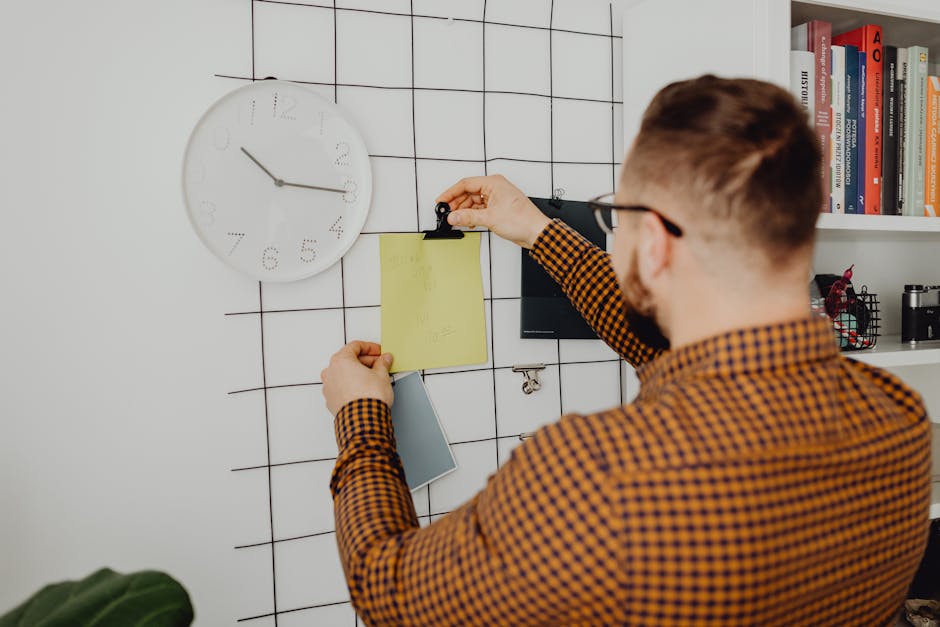
Follow these steps, keep an open mind, and you’ll create an unstoppable homework checklist. It’ll not only keep you organized but also genuinely help you hit your academic stride. This system? It’s your steady guide through every assignment and deadline. And it’ll build up that feeling of getting things done and making consistent progress.
Frequently Asked Questions
How long does it take to create an unstoppable homework checklist and see results?
Getting a good checklist going usually takes a few days, maybe a week, to set up the basics. But stick with it, tweak it for two or three weeks, and you’ll definitely see things get more organized and feel less stressed. You’ll hit some real milestones within a month.
What if I miss a task on my homework checklist?
Missing a task? It happens. Don’t see it as a failure, see it as a chance to learn. Just acknowledge it, shuffle your schedule around, and figure out how to get that missed item done. Then, look at your planning. Why did you miss it? Make a few tweaks so it doesn’t happen again.
Should I include non-academic tasks on my homework checklist?
Yeah, absolutely. Throw in important non-school stuff like chores or appointments. It gives you a complete picture of your day. That way, you can actually set aside realistic time for homework, avoid scheduling clashes, and keep your life a bit more balanced.
How does creating an unstoppable homework checklist benefit long-term academic success?
Building an unstoppable homework checklist trains you. It builds strong habits: planning, prioritizing, real self-discipline. And those skills? They’re gold, not just for college but for your whole career. You’ll see consistent academic wins, better time management, and you’ll be way less likely to burn out.
Is it better to use a digital or physical homework checklist?
Digital versus physical? It really just comes down to what you prefer and how you learn best. Digital ones are flexible, send reminders, and are easy to change. But a physical list? There’s a real satisfaction in crossing things off, and it cuts down on screen time. Try both out. See what helps you get more done.