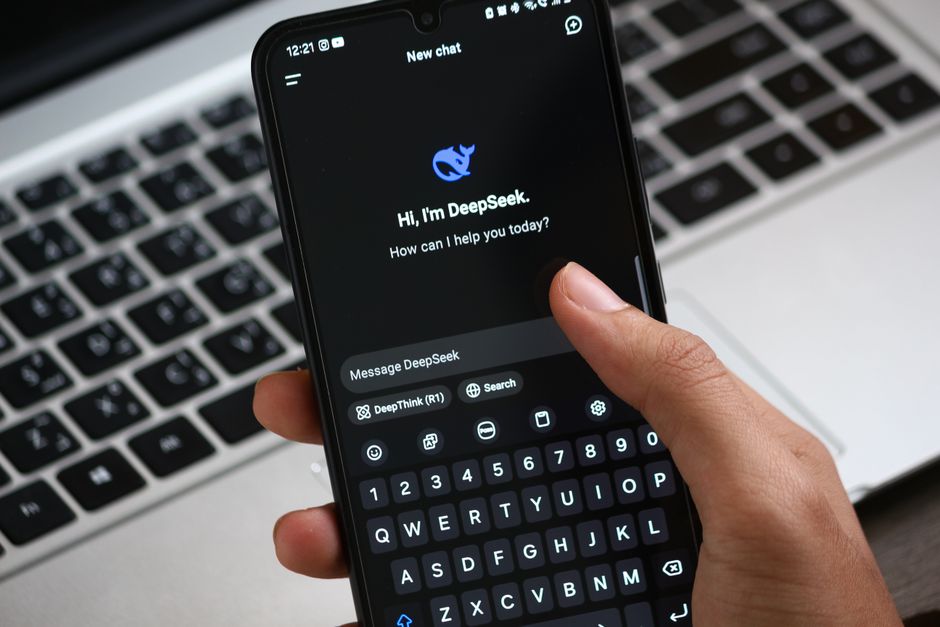
Quick answer: Community management involves fostering positive, engaging environments for online groups, like those found on Discord servers and various forums. Professionals in this field ensure smooth interactions, enforce guidelines, and enhance user experience, often earning competitive salaries for their specialized skills in facilitating thriving digital communities.
Key Takeaways
- Community management focuses on cultivating positive, interactive online spaces.
- Roles range from moderating content to strategic community growth and engagement.
- Essential skills include communication, empathy, conflict resolution, and platform proficiency.
- Entry-level positions can lead to significant career progression within the digital economy.
- Salaries for experienced community managers are projected to reach $65,000-$90,000 annually by 2026.
So, What Exactly is Community Management?
Community management is all about growing, guiding, and looking after an online group. It covers a ton of different tasks, all aimed at making sure members feel welcome, safe, and engaged.
This job’s really important. It keeps digital spaces, whether they’re buzzing Discord servers or niche forums, lively and focused on their main goals. But it’s not just moderating posts. It’s about building real connections and helping people feel like they belong.
Folks in this role act like a bridge between a company or brand and its audience. They get conversations going, collect feedback, and set up plans to make the user experience better. Plus, they help people stick around. Their work directly affects how loyal customers are and how healthy that online space stays.

Why Effective Community Management Really Matters in 2026
The digital world keeps changing, doesn’t it? By 2026, online communities are basically the heart of a brand’s identity and how they connect with customers. Good community management isn’t just a nice-to-have anymore; it’s absolutely vital for anyone trying to succeed online.
Companies know that a strong community means more loyal customers, loads of great content made by users, and direct ways to hear what people think. Without someone in charge, online spaces can get messy fast. That scares off potential members and can really hurt a brand’s reputation.
So, there’s a huge demand for pros who can handle tricky social situations and manage big groups of people. Businesses are investing big in these roles. They want to protect their online presence and build up a dedicated fan base. And that makes community management a pretty secure career path, actually.
Checking Out Different Community Management Roles
The world of community management offers all sorts of opportunities. You can start out volunteering as a moderator, or work your way up to a full-time, strategic position. These jobs usually change depending on how big the community is, what kind of group it is, and what the organization wants to achieve.
You’ll often see titles like Community Moderator, Community Manager, Head of Community, and even more specific ones like Discord Manager or Forum Administrator. Each role comes with its own responsibilities and needs a specific mix of skills.
Some jobs are all about moderating content – making sure everyone follows the rules and keeps things positive. Others focus more on big-picture planning, organizing events, or coming up with ways to get people more involved and help the community grow. Knowing these differences helps you find the right fit for your skills and what you hope to do in community management.
What Skills Do You Need to Be Great at Community Management?
Being excellent at community management means you’ve got a cool mix of people skills and tech savvy. Good communication is probably number one. That means writing clearly, really listening, and being able to explain complicated stuff simply.
Empathy is also huge. You’ve got to understand where users are coming from and be able to smooth over arguments. A community manager needs to step into other people’s shoes to really tackle their concerns. And don’t forget patience and resilience; those are super important, especially when things get tough or you’re dealing with demanding users.
Beyond all that, analytical skills help you track what’s going on in the community and spot trends. Organizational skills? You’ll definitely need those to juggle multiple tasks and projects. You also often need to know your way around specific platforms like Discord, Slack, or different forum software. Plus, being able to learn new tools and tech quickly will help you stay on top in this ever-changing field.

How Can You Jump into Community Management Today?
So, you want to get into community management? A lot of people start because they’re passionate about online communities and already active in them. Many pros actually began by volunteering as moderators in servers or forums they enjoyed. That’s a great way to get hands-on experience.
You don’t always need a fancy degree, though studies in communications, marketing, or psychology can definitely help. What employers really value is practical experience and showing you understand how online groups work.
Networking within the industry and chatting with other community pros can open up doors, too. Look for entry-level moderator gigs or think about offering your help to smaller communities. That’s how you build a portfolio. Honestly, your journey into professional community management can kick off right now, using the online presence you already have.
Building Your Portfolio: Practical Steps
To land paid community management jobs, you’ll need a strong portfolio that shows off what you can do. And no, that doesn’t just mean paid work; volunteer experience counts for a lot.
Make sure to document everything you’ve done for any communities you’ve managed or moderated. Highlight your specific wins, like boosting engagement rates, running successful events, or expertly handling a tricky conflict. Try to put numbers to your impact whenever you can. For example, say “I increased forum activity by 15%.”
Set up a personal website or a professional online profile (like on LinkedIn) where you can pull all your experiences, testimonials, and relevant projects together. Taking online courses or getting certifications in community management can really boost your resume and show you’re serious about this career.

What Kind of Pay Can You Expect in Community Management?
How much you earn in community management really depends on your experience, where you live, the industry, and what your job actually involves. Entry-level positions, like part-time moderators for smaller groups, might start around $20-$30 an hour, or maybe a monthly fee.
For full-time Community Manager roles, we’re looking at salaries between $45,000 and $70,000 annually by 2026. If you’re an experienced pro or in a leadership spot, like Head of Community, you could easily pull in $75,000 to $120,000 or even more. That’s especially true in fast-growing tech or gaming companies.
Many organizations also throw in benefits packages. We’re talking health insurance, paid time off, and chances to learn new things. Plus, lots of freelance opportunities exist, offering flexibility. But you’ll need to sort out your own benefits and taxes there. The way this profession is growing, salaries should keep climbing.
Career Progression in Community Management
Starting in community management offers a clear, exciting path upward. Entry-level moderators can quickly move into more strategic Community Manager roles. They’ll take on bigger responsibilities for getting people involved and helping the community grow.
From there, paths often branch out into senior roles like Senior Community Manager, Head of Community, or even Director of Community. These jobs usually mean overseeing teams, cooking up long-term strategies, and making sure community efforts tie into bigger marketing and product goals.
Alternatively, some community pros shift into related areas like social media marketing, content creation, or customer success. They use their deep understanding of user interaction and brand loyalty to excel. Keep learning new things and always be proactive about developing your skills. That’s how you grab these opportunities and stay competitive in our ever-changing digital world.

Frequently Asked Questions
What’s the difference between a community manager and a social media manager?
A community manager focuses on fostering direct interaction and relationships within a dedicated online space, while a social media manager primarily handles outbound communication, content publishing, and brand presence across various social platforms.
Can community management be done remotely?
Yes, community management is predominantly a remote-friendly profession. Many companies hire community managers to work from anywhere, as long as they can effectively connect with the online community and team members.
How do community managers handle difficult members or conflicts?
Community managers use conflict resolution skills, clear communication, and established guidelines to address difficult members or conflicts. They often mediate discussions, issue warnings, or, if necessary, remove disruptive individuals to maintain a positive environment.
What tools are essential for community management?
Essential tools for community management include platform-specific moderation tools (e.g., Discord bots, forum admin panels), communication apps like Slack, project management software, and analytics tools to track engagement and growth metrics.
Is experience in gaming communities relevant for other community management roles?
Yes, experience in gaming communities is highly relevant. It often demonstrates strong moderation skills, experience with highly engaged and passionate user bases, and proficiency with platforms like Discord, all of which are transferable to other industries.