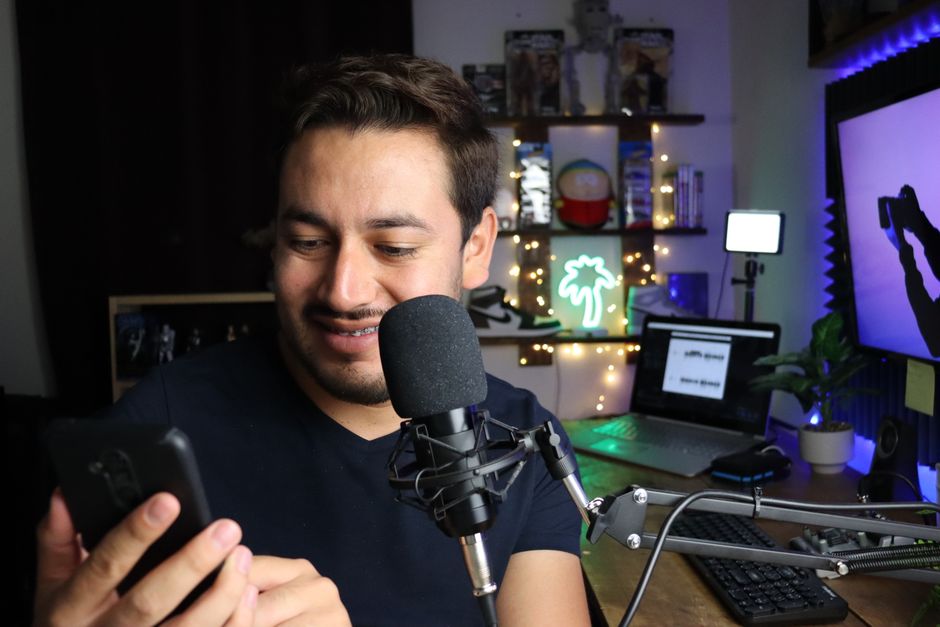
Quick answer: Building a study vlog YouTube channel involves consistent content creation focused on academic routines, effective study techniques, and personal growth. To successfully monetize, focus on growing an engaged audience through authentic content and then diversify revenue streams like AdSense, affiliate marketing, digital products, and sponsorships by 2026.
Key Takeaways
- Authenticity and consistency are paramount for growing a dedicated audience in the study vlog niche.
- Content planning should encompass diverse study-related topics, from “study with me” sessions to productivity tips and resource reviews.
- Engagement strategies like live streams and community interaction build a loyal viewership crucial for long-term success.
- Monetization pathways include YouTube AdSense, affiliate marketing, digital product creation, and brand sponsorships.
- Strategic SEO for titles, descriptions, and tags is essential for discoverability on the YouTube platform.
- Continuous analysis of analytics helps refine content strategy and maximize growth and earnings.
Thinking about building a study vlog YouTube channel? It can really pay off, you know. Not only do you get a platform for keeping yourself accountable with schoolwork, but there’s serious money to be made. This whole niche has gotten huge, with students everywhere looking for motivation, tips, and a place to connect. When you share your study routine, those clever productivity tricks, and your academic ups and downs, you reach people globally. And that can turn your interest into a real income stream.
But getting big in this area isn’t just about hitting record. Nope. It needs smart planning, steady effort, and a solid grasp of how to keep people watching and how to make money. This guide lays out a clear path to help you start, grow, and really profit from your study vlog channel by 2026.
What Exactly is a Study Vlog Channel and Why Even Bother?
A study vlog channel basically shows off a creator’s school life. You’ll often see “study with me” videos, “day in the life” vlogs, tips for staying organized, and reviews of study tools. These channels give viewers a sense of companionship, a boost of motivation, and practical advice for their own learning. And let’s be honest, people keep wanting more genuine, relatable academic content.
So, why start one? Well, you get to build a community, share your learning process, and pick up seriously useful skills in making videos, editing, and online marketing. Plus, it’s a flexible way to earn, letting you turn your academic pursuits into a profitable project.
What kinds of content should you actually make for a study vlog?
Keep your audience hooked and attract new folks with varied content. Think about “Study with Me” videos (maybe real-time, maybe sped up), “Day in the Life of a Student” vlogs, smart note-taking methods, ways to prep for exams, and reviews of educational apps or books. But don’t stop there! Also, talk about your own experiences with burnout, when you struggle to get motivated, and how you push through tough academic spots. That stuff makes you human, and people love that.
Remember to mix up your video styles, too. Quick, snappy tips work great for fast engagement, while longer, detailed tutorials can really show you know your stuff. And being consistent with when you upload? That’s super important for keeping viewers coming back.

How Do You Plan What to Create and Where to Focus?
Good content planning forms the backbone of any successful YouTube channel. For a study vlog, that means figuring out what makes you special and always giving value to the kind of viewers you want to attract. Start by brainstorming topics that truly interest you and also meet common student needs.
Maybe focus on a specific academic level, like high school, university, or grad studies. Or zero in on a particular field – STEM, humanities, whatever. This kind of specialization helps you stand out in a busy space. It also pulls in a more dedicated audience, people who really care about your specific insights.
What tools can help you plan your study vlogs?
Use things like Trello, Notion, or Google Calendar to map out your video ideas, your filming days, and when you plan to upload. Keyword research tools are handy for finding out what people are searching for about studying and school. That way, you can pick strong video titles and descriptions. Oh, and checking out what’s popular in your niche can spark ideas for topics and video styles.
Before you even press record, outline the main points for each video and what you want people to do next. A well-organized video makes things super clear for your viewers and helps you cover all the important stuff efficiently.
Making Your Channel Visible and Helping It Grow
Getting noticed is huge if you want new subscribers. And it directly links to how much money your channel can make. Smart optimization isn’t just about uploading videos; it’s about making sure the right people find them. YouTube’s algorithm actually favors channels that are clear, steady, and keep people engaged.
So, focus on catchy video titles, thumbnails that grab attention, detailed descriptions, and good tags. These are your main tools for telling YouTube and potential viewers exactly what your content offers. Do this well, and you’ll get more views and grow your audience.
How can you boost your YouTube SEO for study vlogs?
When building a study vlog YouTube channel, keywords are king. Use your main keywords naturally in your video titles and descriptions. For example, if your video is about “effective time management for college students,” make sure those exact phrases show up. Create engaging thumbnails that truly represent your content and pop out in search results. Write detailed video descriptions; include timestamps, calls to action, and relevant hashtags. These little things make a big difference in whether people find your videos and how long they stick around to watch.
And check out what your competitors are doing well. Look at their most popular videos. Can you spot any patterns in their titles, thumbnails, or how they structure their content? Don’t copy them, of course, but you can learn a lot from their wins.

Strategies for Getting People Involved and Building a Community
An engaged audience is a loyal one. And loyalty? That directly means steady views, longer watch times, and eventually, more ways to make money. Beyond just uploading videos, actively building a community makes people feel like they belong, which encourages them to keep coming back.
So, reply to comments. Ask questions in your videos. Create chances for people to talk with you directly. All this stuff is critical. Viewers want to feel seen and heard. And building a real connection? That’s what makes your channel different from all the others.
What actually works for engaging your study vlog audience?
Try hosting Q&A sessions. Run polls about what videos to make next. Post on your community tab asking for study tips or challenges. You could even do live “study with me” sessions, where viewers can study alongside you in real-time and chat with each other. Make sure to reply to every thoughtful comment. It shows you appreciate them and gets a conversation going. You could even set up a Discord server or a special social media group. That gives people a deeper place to connect, not just with you, but with each other.
Encourage viewers to subscribe, like, and share your videos. Explain how their engagement directly helps the channel and lets you create more of the content they love. A strong, active community will become your biggest supporter.
Monetization Avenues for Your Study Vlog Channel
Once you’ve got a steady upload schedule and your audience starts to grow, the next step is to look at all the different ways you can make money. Relying on just one income stream is pretty risky. So, branching out your revenue sources gives you stability and really boosts what you can earn. The trick is to weave these methods in naturally, so they improve the viewer experience instead of making it worse.
Often, successful monetization mixes direct YouTube money with other outside projects. Just focus on creating value first. The money usually follows. And always, always be upfront about sponsored content. You’ve got to keep that trust with your audience.
How can you make money through YouTube AdSense?
The most common way to earn is through YouTube’s Partner Program. This lets you get a share of the money from ads shown on your videos. Usually, you need 1,000 subscribers and 4,000 watch hours in the last year (or 10 million valid public Shorts views) to qualify. Once you’re in, you can turn on ads and start earning. The more views and engagement your videos get, the more your AdSense earnings will be.
But while AdSense gives you some foundational income, it’s usually not enough to live off by itself. Think of it as a starting point, something you’ll build on with other strategies.
What about affiliate marketing and creating your own digital products?
Affiliate marketing means you promote stuff or services that make sense for your audience. Then, you earn a commission on anything sold through your special links. For a study vlog, that could be recommending specific stationery, productivity apps, online courses, or even comfortable study chairs. Just make sure to only recommend products you actually use and believe in. Being genuine is key.
And making your own digital products? Like study planners, printable templates, e-books on good study habits, or exclusive guides? That often means much higher profits. This lets you directly meet your audience’s exact needs. You’re taking your knowledge and turning it into something sellable. Platforms like Etsy or Gumroad make it super easy to sell these things.
Can you actually get brand sponsorships for study vlogs?
Yes, absolutely. As your channel gets bigger, brands might come knocking for sponsored content. This means you make videos where you feature their product or service, and they pay you directly for it. Brands interested in study vlogs could be educational tech companies, stationery brands, online learning platforms, or even lifestyle brands that appeal to students. Being transparent is essential here; you must always clearly tell your audience when content is sponsored. It’s required by YouTube and it’s just good ethics. Sponsorship rates vary a ton, depending on your audience size, how engaged they are, and what the specific campaign needs.
To attract these sponsorships, keep a professional media kit ready. Show off your channel’s demographics, engagement rates, and any past brand collaborations. And actively reaching out to brands that really fit your niche can also work wonders.
Smart Growth and Monetization for 2026 and Beyond
The YouTube world is always changing. So, creators have to keep learning and trying new things. For long-term success, especially when building a study vlog YouTube channel, you’ve got to look beyond the basic ways of making money. Getting onto different platforms and creating premium content can really boost your income and keep your audience loyal.
Think about turning your expertise into broader educational content. Maybe you could host webinars. Or develop full online courses. Or even write a whole guide on academic success. These projects establish you as a true expert and open up brand-new ways to earn money.
How can premium content and memberships really boost your income?
Platforms like Patreon or YouTube Channel Memberships let your most dedicated fans support you directly with recurring payments. What do they get in return? Exclusive stuff! Things like early access to videos, bonus study sessions, personalized Q&As, or entry into a private community forum. This creates a VIP experience for your biggest fans. And for you, it means predictable monthly income.
Then there’s developing high-quality, in-depth courses. Host them on platforms like Teachable or Thinkific. This lets you sell your specialized knowledge at a higher price. If you’re amazing at certain subjects or study methods, packaging that know-how into a structured course can be incredibly profitable.
Why shouldn’t you put all your eggs in the YouTube basket?
YouTube might be your main platform, but don’t rely solely on it. Cross-promote your content! Share it on Instagram (especially Reels), TikTok, and a dedicated blog or website. This expands your reach. It also gets your content in front of a wider audience and gives you more spots for affiliate marketing or selling digital products.
A personal website also puts you completely in control of your content and your brand, free from any of YouTube’s algorithm changes. And building an email list through your website is super valuable for talking directly with your audience, completely separate from social media algorithms. That way, you’ll always stay connected with your community, no matter what changes on other platforms.
Frequently Asked Questions
How often should I upload videos to my study vlog channel?
Consistency matters more than how often. Try for at least one good-quality video every week. If you can manage two, even better! But don’t let it mess up your video quality or burn you out.
What equipment do I need to start a study vlog?
You can literally start with just your smartphone and some natural light. As you grow, you might want to get a dedicated camera, a tripod, a good microphone (clear audio is a must!), and some basic lighting gear to make your videos look even better.
Is it too late to start a study vlog channel in 2026?
No, it’s never too late. People will always be looking for study-related content. Just focus on bringing your unique personality and viewpoint to the table. That’s how you’ll stand out. And concentrate on building a real, authentic community.
How long does it take to monetize a study vlog channel?
Monetization times really jump around. Some channels qualify for YouTube’s Partner Program in 6-12 months. But making serious income? That often takes 1-3 years of consistent work and growing your audience. Focus on quality and engagement first, not speed.
Should I reveal my face in my study vlogs?
Many popular study vlogs show the creator’s face, sure, but you don’t absolutely have to. Some successful channels just show off aesthetic desk shots, neat handwritten notes, or screen recordings. Pick whatever makes you feel most comfortable and true to yourself.