

Quick answer: Mastering the creation of a compelling slide deck and pitch deck offers a great way for business majors to make good money on the side. These business tools? They’re critical, and they need expert design and smart storytelling. Freelancers and consultants can charge top dollar for them, helping startups, small businesses, and even big corporate clients with professional presentations. Maybe they need funding, a sales boost, or just better internal communication.
Key Takeaways
- Demand for professional slide deck and pitch deck services is really growing, because business is so competitive.
- Business majors have a real edge, thanks to their understanding of strategy, finance, and marketing.
- You really need strong design principles and storytelling skills to create presentations that make an impact.
- Smart pricing means thinking about value-based models; your fee should reflect the client’s potential return on investment.
- Building a solid portfolio and networking are how you get those high-paying clients.
- Offering these services will get you great experience and connections, not just cash.
Why Is Professional Presentation Design a Hot Skill in 2026?
Even in 2026, putting together a powerful slide deck and pitch deck is still super important across all industries. Businesses always need funding, new clients, strategic partners, and clear internal communication. A bad presentation can instantly sink even the most brilliant ideas. But a pro-looking, engaging one? That can land investments, close deals, or get teams on the same page.
We’re doing so much virtually now, thanks to digital transformation. That means clear, short, and good-looking digital communication matters more than ever. Startups, for example, lean on their pitch decks big time to pull in seed funding or venture capital. And they’re often competing against hundreds of other ventures. Established companies need convincing sales presentations, quarterly reports, and investor materials that really get complex info across to all kinds of people. This ongoing, widespread need keeps the market strong for skilled presentation designers.
What’s the Difference Between a Slide Deck and a Pitch Deck?
You’ve got to grasp the subtle differences between a slide deck and a pitch deck. A slide deck is just a general term for any set of slides used in a presentation. It could be training materials, workshop content, quarterly reports, even internal team updates. Its main goal is to inform, teach, or walk an audience through something.
But a pitch deck? That’s a specific kind of slide deck built for one main job: to “pitch” an idea, product, or business to potential investors, partners, or clients. It’s all about persuading, being concise, and usually trying to get a meeting, funding, or a commitment. Pitch decks follow a generally accepted story structure—they usually cover the problem, solution, market opportunity, business model, team, and financial projections.
Business majors are in a prime spot to kill it at both. Why? Because they understand the strategic goals behind these documents. This insight lets them go past just making things look pretty. They build presentations that really hit home and nail business goals.
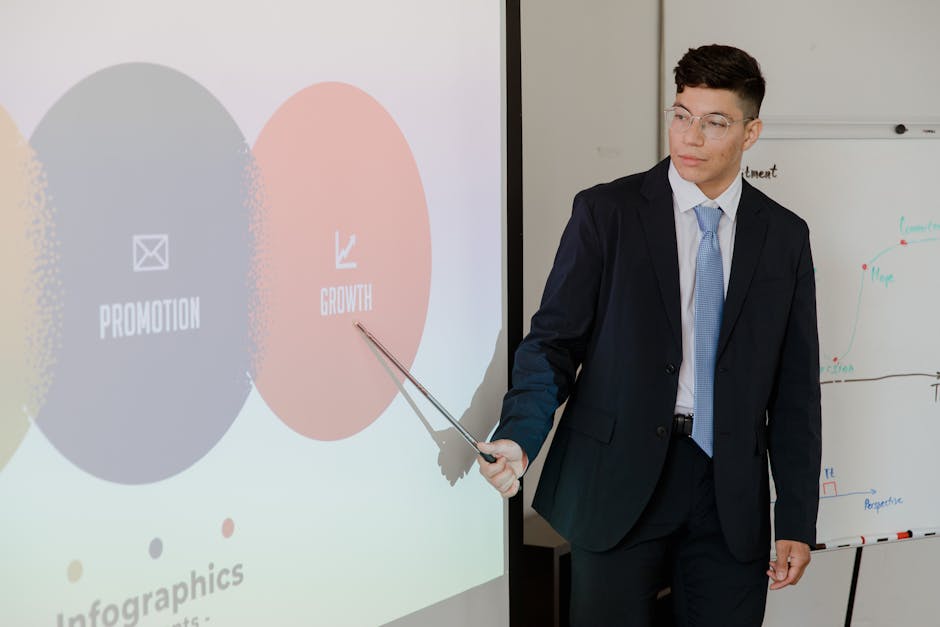
Mastering the Slide Deck and Pitch Deck Fundamentals
Making great presentations isn’t just about knowing software. It’s a mix of strategic thinking, good design, and awesome storytelling. These basics make sure every slide has a point and helps the main message.
First off, figure out what the presentation really needs to do and who you’re talking to. Who’s your audience? What do they already know? What do you want them to feel or do after the presentation? Your answers to those questions will shape how the story flows and what content comes first. For a pitch deck, this means knowing investor concerns and tackling them head-on.
Visual storytelling means taking tough data and ideas and turning them into visuals people can easily get. So, pick the right charts, graphs, and images. Use them to back up your message, not distract from it. Good visuals really boost how much people remember and how engaged they are.
Design principles are basically the rules for making things look good and clear. That means understanding layout, fonts, color theory, and hierarchy. Consistent branding, a clean look, and smart use of white space make presentations seem pro and easier to read. Don’t clutter things up with too many complex slides. Stick to one main message per slide.
How Can Business Majors Leverage Their Skills for Presentation Design?
Business majors really have an edge in presentation design. Their school background gives them a natural grasp of market dynamics, financial models, strategic planning, and how to get customers. That knowledge is priceless when you’re building convincing stories for pitch decks or detailed business reports.
Say, a finance major can quickly read financial projections and show them clearly to investors. A marketing major gets branding and audience segments—super important for sales presentations. Someone studying entrepreneurship can really get the pain points a startup fixes and clearly explain its value. This strategic understanding goes way beyond basic design. It turns a presentation from just ‘nice to look at’ into something truly impactful.
Plus, business majors often pick up great analytical and research skills. Those are crucial for pulling together data, spotting key trends, and boiling information down into a clear, persuasive argument. They can also look at the content with a critical eye, making sure it lines up with the client’s business goals.

Generating Income with Slide Deck and Pitch Deck Services
Offering professional slide deck and pitch deck services can be a highly lucrative side hustle for business majors. The demand’s always there, and businesses will often pay top dollar for expertly made presentations. Why? Because these decks can directly sway their success, like landing funding or closing a big deal.
Rates really jump around depending on how complex the job is, how fast it’s needed, and the designer’s experience. A simple slide clean-up might run you $200-$500. But a comprehensive, custom-built 15-20 slide pitch deck for a startup chasing Series A funding? That could easily pull in $2,000 to $10,000, maybe even more. And if it’s a high-end corporate presentation overhaul or an investor roadshow deck, you’re talking tens of thousands. The stakes are just that high.
What Are Effective Pricing Strategies for Presentation Design Services?
Smart pricing isn’t just about charging per slide. Value-based pricing usually works best. Your fee should show what the client could gain from your work. If a pitch deck could land someone millions in funding, a higher price makes total sense compared to, say, an internal training presentation.
Think about offering tiered packages: a quick refresh, a standard design with content tweaks, and a premium package that includes strategic advice and a bunch of revision rounds. Project-based pricing keeps things clear for clients. Hourly rates might be better for ongoing stuff or projects that aren’t fully sketched out yet. Always consider your experience, how complex the project is, and how fast they need it back.
How Do You Build a Professional Portfolio and Attract Clients?
Your portfolio? That’s your best marketing tool, hands down. Even if you haven’t had clients yet, whip up some mock projects. Use real-world situations or even fictional companies. Make pitch decks for cool startups, sales decks for popular products, or even educational slides for tough subjects. Show off your range—from making data look good to telling a captivating story.
Get out there and network in entrepreneurial circles. Hit up startup events (online or in person). Connect with incubators and accelerators—they can send valuable leads your way. Sites like LinkedIn, Upwork, and niche design marketplaces are also great places to find clients. Make sure you clearly state what makes you special: you’re a business-smart designer. And testimonials from your first clients are pure gold. Ask for them!

Common Challenges and How to Overcome Them
Look, offering presentation design is rewarding, but it’s not without its bumps. Time management is huge, especially if you’re a student juggling classes and client deadlines. And watch out for scope creep—that’s when client requests grow way beyond what you first agreed to. It can really mess with your profit and timeline.
Managing client expectations? That takes clear communication right from the start. Spell out deliverables, how many revisions are allowed, and timelines in a written agreement. Staying in touch often about your progress and any roadblocks can head off misunderstandings. And learning to say ‘no’ to crazy demands or clients who just aren’t a good fit? That’s a super valuable skill, too.
What Tools and Resources Can Boost Your Design Skills?
A bunch of tools and resources can seriously boost your presentation design game. PowerPoint, Google Slides, and Keynote are still the go-to, but specialized tools like Beautiful.ai or Canva offer AI help and easy-to-use interfaces. Mastering advanced features—like master slides, animations, and transitions—in these programs can really make your work shine.
Online courses on Coursera, Udemy, or LinkedIn Learning teach graphic design basics, advanced presentation tricks, and visual communication. You’ll find free tips and tutorials on presentation design blogs and YouTube channels. Look at successful pitch decks from companies like Airbnb or Buffer. They’ll give you inspiration and show you what works for structure and visuals. But always keep learning and adapting to new design trends. That’s how you stay competitive.

The Long-Term Benefits of Offering Presentation Design Services
Beyond the immediate cash, offering professional presentation design gives business majors some big long-term wins. It’s a fantastic way to take what you learn in business school and apply it to real-world situations, bridging that gap between school and industry.
You’ll see all sorts of business models, industries, and strategic challenges. Every project is a chance to learn about a new company, market, or technology, really sharpening your business smarts. The networking? It’s huge. You’ll connect with founders, investors, and executives who could turn into mentors, employers, or collaborators down the line. And the professional skills you’ll sharpen—communication, project management, client relations, creative problem-solving—they’re all transferable and super valuable for any career, whether you go corporate or start your own thing.
Frequently Asked Questions
What software is best for creating high-quality slide deck and pitch deck presentations?
The best software often depends on what you’re used to and what you need. But PowerPoint, Google Slides, and Keynote are industry standards. Tools like Beautiful.ai and Canva also offer intuitive interfaces with AI assistance for faster, high-quality design.
How many slides should a typical pitch deck contain?
A typical pitch deck usually contains between 10 to 20 slides. The sweet spot is conveying essential information concisely and effectively, keeping your audience engaged without overwhelming them.
Can I offer these services as a side hustle while still in college?
Absolutely. Lots of business majors successfully offer presentation design services as a side hustle. It gives you practical experience, builds a portfolio, and earns you money while complementing your studies.
How do I find my first clients for slide deck and pitch deck design?
Start by creating a strong portfolio of mock or personal projects. Leverage your university network, attend local startup events, and use online freelancing platforms like LinkedIn or Upwork to showcase your skills and connect with potential clients.
What is the most crucial element of a successful pitch deck?
The most crucial element of a successful pitch deck is a clear, compelling story. It needs to resonate with the audience and effectively communicate the problem, solution, market opportunity, and your team’s ability to execute.